The best drawing tablets for students make digital art, annotation, design practice, and remote learning easier without requiring a large creative setup. The right choice depends on whether you need a compact tablet for a computer, a larger active area, or a standalone screen-free setup.
We compared 10 student-friendly options across size, pen performance, shortcut controls, portability, compatibility, and overall value to help you find a tablet that fits both your workflow and budget.
Best 10 Drawing Tablets for Students Picks for 2026
Best Compact Pick

- Battery-free pen with natural control
- Works with Mac, Windows, Android, and Chromebook
- Includes ExpressKeys, software, and training
Best For: Students needing a compact wired tablet
Best Shortcut-Rich Pick

- Large 10-by-6-inch drawing area
- 8,192 pressure levels with tilt support
- 28 programmable shortcut controls
Best For: Students wanting workspace and customization
Best Wireless Pick

- Bluetooth and USB-A connectivity
- Larger 8.5-by-5.31-inch active area
- Battery-free pen with four ExpressKeys
Best For: Students wanting wireless flexibility and more space
Best Standalone Pick

- Works without a computer
- 10-inch laminated display with active pen
- Includes apps, tutorials, and bonus accessories
Best For: Beginners wanting portable all-in-one drawing
Best Portable Pick

- Battery-free stylus with 8192 pressure levels
- Six customizable shortcut keys
- Lightweight and compatible with PC, Linux, and Android
Best For: Portable student drawing, notes, and creative software
Best for Everyday Use

- Works independently without a computer
- 10.1-inch Full HD IPS drawing screen
- Up to five hours of battery use
Best For: On-the-go drawing, classroom notes, and all-in-one use
Best Budget-Friendly Classic
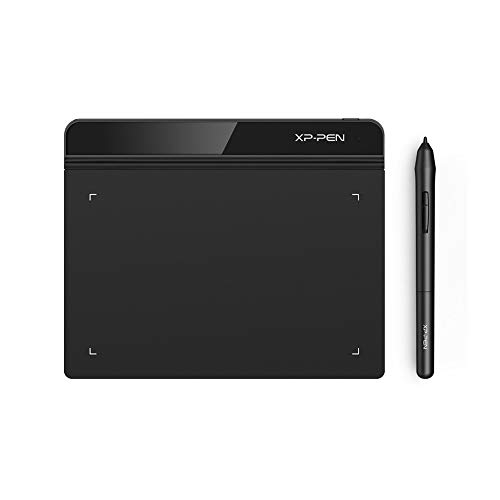
- Slim 2 mm portable design
- Battery-free stylus with 8192 pressure levels
- Supports Windows, Mac, and Chromebook
Best For: Drawing, e-learning, signatures, and remote work
Best Portable Starter
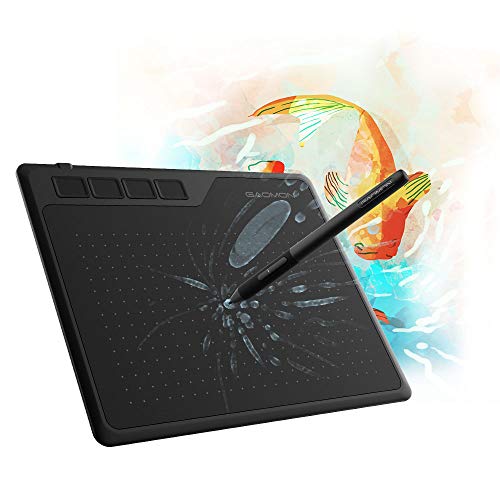
- 6.5 x 4-inch active area
- Battery-free 8192-level pen
- Four customizable shortcut keys
Best For: Portable student art, annotation, and online classes
Best for OSU and Small Desks
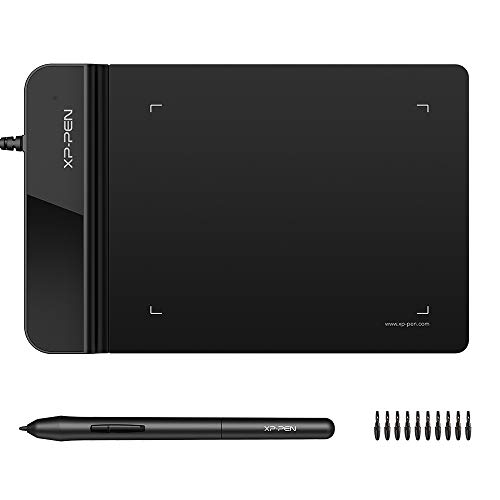
- Compact 4 x 3-inch active area
- 2 mm-thin portable design
- Battery-free 8192-level stylus
Best For: OSU, signatures, online teaching, and basic drawing
Best Plug-and-Play Pick
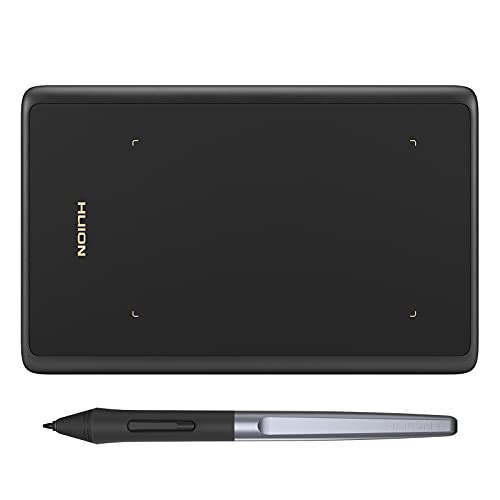
- 4.17 x 2.6-inch active area
- Battery-free 8192-level pen
- Windows, macOS, and Android support
Best For: Portable drawing, annotation, teaching, and remote work
Best Compact Pick – Wacom Intuos Small
The Wacom Intuos Small is a practical choice for students who want a compact drawing tablet for schoolwork, digital art, photo editing, and design. Its battery-free pen, four ExpressKeys, and Chromebook compatibility make it easy to use across common study setups.
Best For: Students and teachers who need a small, reliable tablet for drawing, editing, and marking up documents.
Pros:
- Battery-free EMR pen with a natural pen-on-paper feel
- Works with Windows, Mac, Android, and Chromebook devices
- Includes four ExpressKeys and access to creative software and training
- Compact 6-by-3.7-inch active area and lightweight design
Cons:
- Smaller active area may feel limiting for broad illustrations
- Uses a wired USB-A connection
- Pen provides 4,096 pressure levels, fewer than some larger competitors
For students prioritizing portability, straightforward compatibility, and dependable pen control, the Intuos Small is an easy-to-manage entry point into digital creativity.
Best Shortcut-Rich Pick – HUION Inspiroy H1060P
The HUION Inspiroy H1060P gives students a generous 10-by-6.25-inch workspace and extensive shortcut controls. It is a strong option among drawing tablets for students who want room to draw and quick access to frequently used commands.
Best For: Students, beginners, and hobbyists who want a large workspace, tilt support, and many customizable shortcuts.
Pros:
- Large 10-by-6-inch active area for comfortable drawing
- Battery-free stylus with 8,192 pressure levels and ±60-degree tilt support
- 12 programmable press keys plus 16 programmable soft keys
- Supports Windows, macOS, Android, and Linux Ubuntu
Cons:
- Requires a USB adapter for connection to a Mac computer
- iPhone and iPad are not currently supported
- Linux use requires the Xorg display server rather than Wayland
The H1060P is especially appealing if shortcut customization and drawing space matter more than minimal size. Its compatibility details should be checked before purchase, particularly for mobile or Linux use.
Best Wireless Pick – Wacom Intuos Medium Bluetooth
The Wacom Intuos Medium adds wireless flexibility to a larger student-friendly drawing surface. Bluetooth connectivity lets you work at a desk, in class, or away from a workstation, while the battery-free pen supports drawing, design, and photo editing.
Best For: Students and teachers who want a medium-sized tablet with Bluetooth or wired USB-A connectivity.
Pros:
- Connects wirelessly through Bluetooth or directly by USB-A
- 8.5-by-5.31-inch active area offers more room than the Small model
- Battery-free pen and four ExpressKeys support comfortable workflows
- Includes access to creative software and Wacom online training
Cons:
- Listed operating-system compatibility focuses on Windows and macOS
- 4,096 pressure levels may be less than some competing tablets
- Larger footprint is less portable than the Small Intuos
This model is a sensible middle ground for students who want more drawing space without giving up portability. Bluetooth is the main convenience advantage, especially for flexible study locations.
Best Standalone Pick – PicassoTab A10
The PicassoTab A10 is a standalone option for students who want to draw without connecting to a computer. Its 10-inch laminated display, built-in Android 14 system, included pen, and beginner-focused tutorials make it suited to portable sketching and schoolwork.
Best For: Beginners and students who want an all-in-one drawing tablet for creating, learning, and working on the go.
Pros:
- Runs directly on the tablet, so no computer is needed
- 10-inch laminated display is designed to reduce glare and parallax
- Includes a 4,096-level active pen and five preloaded creative apps
- 6GB RAM, 64GB storage, and expansion support up to 1TB
Cons:
- At 1.5 kg, it is heavier than compact pen tablets
- Android and Wi-Fi are the listed platform and connectivity options
- Standalone operation may be unnecessary for students already using a computer
The A10 stands apart from conventional computer-connected drawing tablets for students by combining the screen, operating system, and drawing tools in one device. It is a particularly convenient fit for beginners who value portability and guided lessons.
Best Portable Pick – HUION Inspiroy H640P
For students comparing drawing tablets for students, the HUION Inspiroy H640P is a compact, practical pen tablet for sketching, note-taking, photo editing, and digital art. Its 6-by-4-inch active area, battery-free stylus, and customizable shortcut keys offer precise control without taking much space in a backpack or on a crowded desk.
Best For: Students who want a portable, computer-connected tablet for drawing, coursework, and creative software.
Pros:
- Battery-free PW100 stylus with 8192 pressure levels for responsive strokes.
- Six customizable press keys can be assigned to frequently used commands.
- Works with Mac, Windows, Linux, and Android devices.
- Thin, lightweight design is easy to carry between classes and study locations.
Cons:
- It does not support iPhone or iPad.
- Requires a connected compatible device rather than working as a standalone tablet.
The H640P is a strong student choice when portability and workflow shortcuts matter more than having a built-in screen. Its left-handed support and broad software compatibility add flexibility for different users and assignments.
Best for Everyday Use – RubensTab T11 Pro
The RubensTab T11 Pro stands out among drawing tablets for students because it can run independently without a computer. Its 10.1-inch Full HD screen, included pressure-sensitive pen, built-in apps, and Wi-Fi support make it suitable for drawing as well as classroom notes and everyday portable work.
Best For: Students who want an all-in-one tablet for digital art, lectures, meetings, and travel.
Pros:
- Standalone design requires no external computer.
- 10.1-inch 1920×1200 IPS display provides a direct on-screen drawing experience.
- Battery-free pen supports pressure-sensitive, natural-feeling strokes.
- Built-in 5800mAh battery offers up to five hours of continuous use and supports USB-C charging.
Cons:
- Battery life is rated for up to five hours, so longer sessions may require recharging.
- The larger standalone design may be less compact than a basic USB pen tablet.
Choose the T11 Pro if avoiding a separate computer is a priority. The included stand case, pre-installed drawing apps, and Wi-Fi make it particularly versatile for students who want one device for creative and academic tasks.
Best Budget-Friendly Classic – XPPen StarG640
The XPPen StarG640 is a straightforward option for students seeking drawing tablets for students that also support online learning and remote work. Its 6-by-4-inch active area, slim 2 mm profile, battery-free pen, and Chromebook compatibility make it useful for sketching, handwritten notes, digital signatures, and whiteboard activities.
Best For: Students who need an affordable, lightweight USB tablet for drawing, e-learning, and handwritten computer input.
Pros:
- Battery-free PN01 stylus supports uninterrupted drawing and writing.
- 8192 pressure levels provide detailed control for creative work.
- Compatible with Windows, Mac, and Chrome OS devices.
- Works with education and productivity tools including OneNote, Zoom, Google Jamboard, and Google Canvas.
Cons:
- It is a screenless tablet and must connect to a compatible device.
- The 6-by-4-inch active area may feel limited for users who prefer expansive drawing space.
The StarG640 is a sensible pick for students who want a slim, uncomplicated tablet for both creative projects and schoolwork. Chromebook support is especially helpful for learners using Google-based classroom tools.
Best Portable Starter – GAOMON S620
For students comparing drawing tablets for students, the GAOMON S620 is a practical starter option with a 6.5 x 4-inch active area, battery-free pen, and four customizable shortcut keys. It supports common Windows and macOS art applications, online classes, annotation, and digital signatures.
Best For: Students who want a portable tablet for digital art, note-taking, online learning, and occasional rhythm gaming.
Pros:
- 8192 pressure levels and 5080 LPI resolution support controlled, natural-looking lines.
- Battery-free stylus eliminates pen charging.
- Four customizable express keys can streamline frequently used commands.
- Supports right- and left-handed use and weighs about 0.25 kg.
Cons:
- It is not compatible with iPad or iPhone.
- Requires a USB connection to a compatible computer.
- The supplied notes do not indicate support for ChromeOS.
The S620 balances a useful work area with a travel-friendly design, making it a flexible choice for students beginning digital creation without needing a display tablet.
Best for OSU and Small Desks – XPPen G430S
Among drawing tablets for students, the XPPen G430S stands out as an especially compact option. Its 4 x 3-inch active area, 2 mm-thin body, battery-free stylus, and 266 RPS report rate make it suited to OSU gameplay, basic drawing, signatures, and online teaching.
Best For: Students who prioritize portability, OSU gameplay, and a small tablet for limited desk space.
Pros:
- 8192 pressure levels provide adjustable control for drawing and handwriting.
- Battery-free stylus supports uninterrupted use.
- Works for right- or left-handed users.
- Compatible with Windows 7 or later and Mac OS X 10.10 or later.
Cons:
- The 4 x 3-inch active area may feel too small for detailed artwork.
- It is not compatible with iOS or iPadOS.
- Mac users without USB-A may need an OTG adapter, and driver setup may require permissions.
The G430S is best viewed as a highly portable control surface rather than a spacious art tablet. Its compact size is convenient, but students should confirm that the limited working area fits their projects.
Best Plug-and-Play Pick – HUION H420X
The HUION H420X is a compact choice for students seeking drawing tablets for students that can also handle online coursework and remote work. It combines a battery-free 8192-level pen, 300 PPS report rate, 4.17 x 2.6-inch active area, and compatibility with Windows, macOS, and Android.
Best For: Students who need a lightweight tablet for drawing, annotation, online teaching, signatures, and everyday computer work.
Pros:
- Plug-and-play design is intended to work without driver installation.
- Battery-free pen includes two customizable side buttons and 8192 pressure levels.
- Compact 167 g, 7 mm-thick body is easy to carry.
- Supports Windows, macOS, Android, and a range of creative and meeting applications.
Cons:
- The active area is smaller than that of many full-size drawing tablets.
- It is not compatible with iOS.
- Its compact workspace may be limiting for detailed or expansive artwork.
With broad device support and a lightweight build, the H420X is a convenient student tablet for mixed creative and academic tasks. Its smaller active area makes it more suitable for portability and everyday input than large illustrations.
How We Picked the Best Drawing Tablets for Students
We focused on features that matter in classrooms, dorm rooms, home studios, and beginner creative workflows. Our comparison considers active drawing area, pressure sensitivity, shortcut buttons, pen power requirements, connection type, operating-system compatibility, portability, and learning curve.
We included both traditional pen tablets that connect to a computer and standalone models with built-in screens. Pen tablets are usually lighter and more affordable, while standalone tablets offer greater freedom but may cost more and require careful attention to battery life, software support, and storage.
Quick Comparison
| Tablet type | Best for | Main advantage | Potential limitation |
|---|---|---|---|
| Compact pen tablet | Beginners, notes, and limited desks | Affordable and portable | Requires a computer or compatible device |
| Medium pen tablet | Illustration and design students | More comfortable drawing space | Less convenient for travel |
| Shortcut-focused tablet | Frequent creative workflows | Faster access to common commands | More controls can increase setup time |
| Standalone drawing tablet | Students who want all-in-one mobility | Works without a separate computer | Usually heavier and more expensive |
Key Buying Factors for Drawing Tablets for Students
Active Area and Size
A 4-by-3-inch or 6-by-4-inch tablet is easy to carry and works well for occasional sketching, OSU-style gameplay, annotations, and small desks. Larger surfaces provide smoother arm movement and can feel more natural for detailed illustration, but they take up more room in a backpack.
Pressure Sensitivity and Pen Design
Higher pressure-sensitivity ratings can support more expressive line variation, although driver quality and software support matter just as much. A battery-free stylus is especially convenient because it avoids charging and reduces interruptions during class or study sessions.
Shortcut Keys and Connectivity
Programmable buttons can speed up zooming, undoing, changing brush sizes, and switching tools. USB models are generally simple and dependable; Bluetooth models reduce cable clutter but may require charging or pairing. Check compatibility with the student’s laptop, operating system, and preferred art applications before buying.
Portability and Standalone Use
Standalone models are useful for students who move between classrooms or do not want to remain tethered to a computer. However, compare their weight, battery expectations, storage, included software, and screen quality with the convenience they provide.
Who Should Buy Which Drawing Tablets for Students?
Choose a compact pen tablet for a first device, tight budget, small workspace, or computer-based coursework. Choose a medium model if drawing comfort and a larger working area matter more than minimal size. Choose a shortcut-rich tablet for students who regularly use illustration, photo-editing, animation, or design software. Choose a standalone tablet when portability and computer-free drawing are priorities.
Before ordering, confirm the included accessories, software offers, driver availability, return policy, and compatibility with school-issued devices. Those details can make as much difference to the student experience as pressure sensitivity or tablet size.