Choosing the right harmonica can make learning easier, improve your tone, and keep you playing longer. If you’re shopping for a reliable starter model or a step up for blues, this roundup focuses on real-world playability and value.
Below, you’ll find 10 diatonic harmonicas selected for a mix of responsiveness, comfort, build quality, and beginner-friendly features.
Best 10 Diatonic Harmonicas Picks for 2026
Starter Blues Pick
Fender Blues Deluxe Harmonica, Key of C
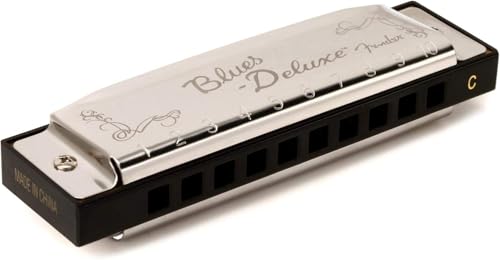
- 10-hole diatonic harmonica in Key of C
- Responsive reeds and bright tone
- Includes harmonica holder
Best For: Beginners and blues players wanting an easy starter set
Portable Practice Choice

- 10-hole diatonic model with 20 tones
- Pocket-size for travel and practice
- Phosphor bronze reeds with 1.2mm reed plate
Best For: Travel-friendly players who want a versatile Key of C harmonica
Classic Pro Standard
Hohner Special 20 Diatonic Harmonica

- Key of C diatonic harmonica
- Responsive reeds and comfortable mouthpiece
- Injection molded plastic comb
Best For: Players seeking a comfortable, professional-feeling C harmonica
All-in-One Bundle Value
Fender Blues Deluxe C Harmonica Bundle

- 10-hole diatonic harmonica in Key of C
- Includes case, manual, and polishing cloth
- Vented case helps dry the harmonica
Best For: Shoppers who want a ready-to-play harmonica bundle with accessories
Editor’s Pick
East top C-Key 10-Hole Diatonic

- Phosphor bronze reeds with 1.2mm reed plate
- Pocket-size build for easy carrying
- Gift-ready packaging with blue case
Best For: Beginners and players wanting a versatile C harmonica
Starter Favorite

- Top-selling beginner harp in Key of C
- 20 brass reeds with brass reed plates
- Includes case and stainless steel coverplates
Best For: New players wanting a simple, trusted starter harp
Budget Pick
EastRock Black 10-Hole C Harmonica
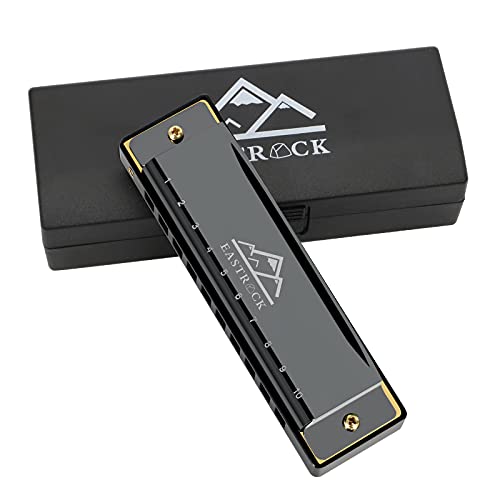
- Beginner-friendly C harmonica for practice
- Phosphor bronze reeds and stainless steel cover
- ABS comb and airflow splitter aid comfort
Best For: Beginners and intermediate players on a budget
Repair-Friendly Blues Choice
Lee Oskar Key of C Major Diatonic

- Air-tight design with responsive reeds
- Replaceable reed plates lower upkeep costs
- Large holes suit easier playing
Best For: Players who want a C-key diatonic harmonica for blues and related styles
Value-Focused Starter

- Phosphor bronze reeds for rich tone
- Compact pocket size with case included
- Designed for beginners through adults
Best For: Budget-minded beginners who want an easy-to-carry C harmonica
Beginner Learning Option
East top C Key 10-Hole Beginner

- Easy-to-blow design for new players
- Includes case, cloth, and manual
- Brass reeds with 0.8 mm reed plate
Best For: Kids, students, and first-time players learning on a C harmonica
Starter Blues Pick – Fender Blues Deluxe Harmonica, Key of C
If you’re shopping for diatonic harmonicas and want a simple Key of C option, the Fender Blues Deluxe is built around the classic 10-hole layout with responsive reeds and a bright, easy-to-handle feel. It suits beginners and blues players who want a straightforward instrument with a traditional shape and a moisture-resistant comb.
Best For: Beginners, kids, and casual players who want a Key of C diatonic harmonica for blues practice and general playing.
Pros:
- 10-hole diatonic design in Key of C
- Responsive reeds and rich tone
- Moisture-resistant ABS plastic comb for tuning stability
- Includes a harmonica holder for a complete set
Cons:
- Single-key setup only
- Not positioned as a premium pro-level model
Overall, this is a practical, no-fuss harmonica package that focuses on the essentials: classic blues styling, stable construction, and an accessible playing feel. The included holder adds value if you want an immediate start.
Portable Practice Choice – East top 10-Hole C Harmonica
For diatonic harmonicas that are easy to carry and versatile enough for multiple styles, the East top 008K is a compact Key of C option with a 10-hole, 20-tone layout. Its note set and responsive build make it suitable for blues, folk, rock, country, and jazz players who want a pocket-size instrument.
Best For: Players who want a compact Key of C harmonica for practice, travel, and mixed-genre playing.
Pros:
- 10-hole diatonic harmonica with 20 tones
- Suitable for blues, folk, rock, country, and jazz
- Phosphor bronze reeds and 1.2mm reed plate
- Pocket-size body for easy transport
Cons:
- Single Key of C only
- No case or accessory bundle mentioned
This is a strong pick if portability matters and you want one harmonica that can cover several styles. The detailed construction notes suggest a responsive playing experience without adding bulk.
Classic Pro Standard – Hohner Special 20 Diatonic Harmonica
The Hohner Special 20 is a straightforward choice among diatonic harmonicas if you want a Key of C model with a professional reputation and responsive reeds. Its injection molded plastic comb and projecting mouthpiece are designed for comfortable playing and reliable performance.
Best For: Players who want a professional-feeling Key of C harmonica with a comfortable mouthpiece and clean design.
Pros:
- Key of C diatonic harmonica
- Responsive reeds for consistent playability
- Injection molded plastic comb
- Projecting mouthpiece for comfort
Cons:
- 90-day warranty is shorter than some alternatives
- Limited product details beyond the core build
This model is a good fit if you value a known harmonica design with a comfortable mouthpiece and practical construction. It keeps the focus on playability rather than extras.
All-in-One Bundle Value – Fender Blues Deluxe C Harmonica Bundle
If you want diatonic harmonicas packaged with useful extras, this Fender Blues Deluxe bundle gives you the Key of C instrument plus a carrying case, online manual, and polishing cloth. The 10-hole design, chromed metal covers, and ABS plastic comb focus on practical durability and easy upkeep.
Best For: Buyers who want a Key of C diatonic harmonica bundle with storage and maintenance extras included.
Pros:
- 10-hole diatonic harmonica in Key of C
- Includes carrying case, online manual, and polishing cloth
- Chromed metal covers for protection and easy cleaning
- Vented plastic case helps the harmonica dry after playing
Cons:
- Single harmonica bundle, not a multi-key set
- Accessory-focused package may be more than some players need
This bundle makes sense for players who want a ready-to-use setup without buying accessories separately. It adds convenience while keeping the instrument itself centered on the familiar Blues Deluxe platform.
Editor’s Pick – East top C-Key 10-Hole Diatonic
If you’re comparing diatonic harmonicas for blues, folk, rock, country, or jazz, this East top C harmonica is aimed at players who want a responsive, pocketable instrument with a polished feel. Its phosphor bronze reeds, electroplated reed plate, and compact size make it a practical choice for practice, travel, and gifting.
Best For: Beginners, students, and adults who want a versatile C harmonica for multiple styles.
Pros:
- 10-hole diatonic design suited to blues, folk, rock, country, and jazz
- Phosphor bronze reeds and 1.2mm reed plate for rich sound and responsiveness
- Pocket-size body makes it easy to carry to school, work, or travel
- Includes a small blue case and gift-ready packaging
Cons:
- Only includes one C-key harmonica
- Best fit is focused on players who specifically want a standard diatonic C model
This is a sensible all-around pick if you want an accessible harmonica with a more polished feature set than the most basic starter models. It balances portability, tone, and presentation well for everyday use.
Starter Favorite – Hohner Blues Band C Chrome
The Hohner Blues Band is a classic entry-level option in diatonic harmonicas, built around a Key of C layout with brass reed plates and stainless steel coverplates. If you want a simple harp for learning basics, this model keeps the focus on familiar construction and a blues-leaning sound profile.
Best For: First-time players who want a straightforward beginner harmonica from a well-known brand.
Pros:
- Top-selling beginner harp with a Key of C layout
- 20 brass reeds and brass reed plates for traditional harmonica construction
- Stainless steel coverplates and chrome finish
- Includes a case
Cons:
- Positioned more as a beginner instrument than a feature-heavy upgrade
- Packaging may vary
This is a dependable starter choice if you want a recognizable diatonic harmonica without extra complexity. It’s best approached as a practical learning instrument rather than a performance-focused premium model.
Budget Pick – EastRock Black 10-Hole C Harmonica
For shoppers looking at diatonic harmonicas for practice or casual playing, the EastRock C harmonica offers beginner-friendly features and a durable build. Its phosphor bronze reeds, stainless steel cover, and ABS resin comb are designed to be comfortable to hold and easier for new players to get started with.
Best For: Beginners and intermediate players who want an affordable C harmonica for practice and casual genres.
Pros:
- Designed for beginners and intermediate players
- Phosphor bronze reeds with stainless steel cover for durability
- Food-grade ABS resin comb is lip-friendly
- Built-in airflow splitter helps maintain stable airflow
Cons:
- Only one Key of C harmonica is included
- Style and features are geared more toward practice than advanced performance
This model makes sense if you want a low-friction way to start learning or a backup C harmonica for casual use. It emphasizes comfort and ease of play over premium refinements.
Repair-Friendly Blues Choice – Lee Oskar Key of C Major Diatonic
If you want diatonic harmonicas for blues, rock, folk, country, or pop, this Lee Oskar model is built around easy playability and a strong, responsive sound. The large holes and air-tight design make it a practical choice for players who want a straightforward C harmonica with replaceable reed plates.
Best For: Players who want a dependable C-key diatonic harmonica with loud response and repair-friendly design.
Pros:
- Air-tight design with responsive reeds for a louder sound
- Large holes can make playing easier for many users
- Replaceable reed plates help reduce long-term maintenance cost
- Works across blues, rock, folk, country, and pop styles
Cons:
- Only included in key of C, so it is not a multi-key set
- More performance-focused than a basic starter toy
Overall, this is a solid pick if you want a classic major diatonic harmonica with practical servicing features and a reputation for strong projection. The replaceable reed plates are especially useful if you plan to keep playing and want a model that is built for continued use.
Value-Focused Starter – East top Deluxe Blues C Key
This East top option is a value-friendly entry in diatonic harmonicas, aimed at players who want a rich tone and easy bending without spending much. It is pitched as suitable for beginners through advanced adults, with a pocket-size build that makes it easy to carry.
Best For: Budget-minded players who want a C-key diatonic harmonica with easy bending and a compact carry case.
Pros:
- Precision-made phosphor bronze reeds for rich tone and responsiveness
- 1.0 mm reed plate is designed to help with higher pitch and sound
- Stainless steel cover is intended to play smoothly and avoid lip discomfort
- Compact size makes it easy to carry for practice or travel
Cons:
- Still limited to one key, so it is not ideal if you need multiple tunings
- Best fit is a budget starter, not a premium flagship model
As a practical first harmonica, this one covers the basics well: key of C, decent responsiveness, and a case included. If you want a low-cost way to explore blues, folk, rock, country, or jazz, it offers a lot of value for the money.
Beginner Learning Option – East top C Key 10-Hole Beginner
If you are shopping diatonic harmonicas for kids, students, or first-time players, this East top model is positioned as an easy-to-blow C key option. It comes with a case, cleaning cloth, and manual, which makes it a simple package for practice at home or on the go.
Best For: Kids, students, and beginners who want a pocket-size C-key diatonic harmonica with included accessories.
Pros:
- Easy-to-blow setup is aimed at beginner players
- Blue plastic comb and stainless steel cover give it a durable feel
- Brass reeds and 0.8 mm reed plate are designed for rich sound and responsiveness
- Includes a case, cleaning cloth, and manual
Cons:
- Single-key C model, so it is not versatile for players needing other keys
- Small size and beginner focus may be less appealing to advanced buyers
This is a straightforward starter harmonica with the essentials included, making it easy to hand to a new player. Its compact size and beginner-friendly setup make it a sensible choice when you want a simple, affordable way to start learning.
How We Picked the Best Diatonic Harmonicas
We focused on Diatonic Harmonicas that are commonly recommended for beginners and casual players, with an eye toward sound, ease of bending, comfort at the mouthpiece, and overall value. We also considered whether each model includes helpful extras such as a case, cloth, or guide, since those can matter for first-time buyers.
Quick Comparison
If you want the simplest starting point, look for a standard 10-hole C harmonica with a comfortable comb and dependable reeds. Models with a smoother mouthpiece and responsive notes are usually easier to learn on, while more premium options tend to offer better control, durability, and tone consistency.
Key Buying Factors for Diatonic Harmonicas
Key and Tuning
C is the most common key for learning because it’s widely used in instruction materials and straightforward for matching songs and exercises. If you plan to play blues, folk, or rock, a C diatonic harmonica is a smart first choice.
Comb Material and Mouth Feel
Plastic combs often feel smooth and resist swelling, which can be useful for beginners and frequent practice. Wooden and metal components can affect feel and tone, but comfort at the lips is usually more important than material alone for new players.
Reed Responsiveness
Responsive reeds make single notes, bends, and clean articulation easier. For blues-style playing, that responsiveness matters more than flashy accessories.
Included Accessories
Cases, cleaning cloths, and manuals are useful extras, especially if the harmonica will be carried in a bag or shared by a student. They do not replace good construction, but they can improve long-term usability.
Who Should Buy Which Diatonic Harmonicas?
Beginners and students should prioritize ease of play, a comfortable mouthpiece, and included accessories. Players focused on blues or expressive lead lines may want to spend more for better reed response and more consistent note control. If you need a simple backup or travel harmonica, a budget-friendly model with a case can be the best value. For players who want a more refined feel and a proven reputation, higher-end Diatonic Harmonicas are usually worth the extra cost.
In short, choose the model that best matches your skill level, your budget, and how you plan to play. A well-matched harmonica will sound better, feel easier, and keep you practicing longer.