Plosive bursts from “P” and “B” sounds can overwhelm vocals, podcasts, streams, and voice-over recordings. The right pop filter helps smooth those sharp air blasts before they reach the microphone capsule.
We’ve selected 10 dual-layer microphone pop filters with different screen designs, gooseneck arms, clamps, sizes, and price points. Use the guide below to choose a stable, compatible option for your setup.
Best 10 Dual Layer Microphone Pop Filters Picks for 2026
Compact Plosive Control
FIFINE PF1 Dual-Layer Pop Filter

- Dual screens disperse airflow and reduce plosives
- Metal gooseneck supports flexible positioning
- Broad shield helps protect the microphone
Best For: Compact recording, streaming, and FIFINE microphone setups
Adjustable Studio Shield
NEEWER Professional Pop Filter

- Dual screens help contain vocal air blasts
- Steel gooseneck adjusts angle and distance
- Rotating clamp supports easy repositioning
Best For: Flexible vocal, streaming, and acting setups
Two-Filter Value Pack
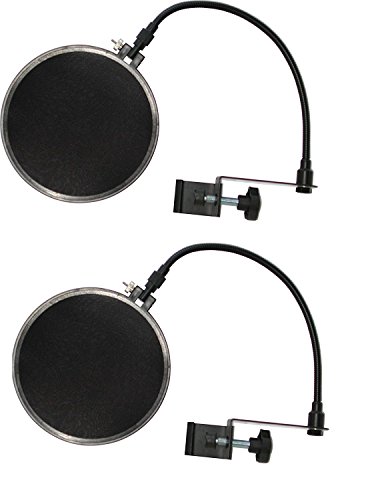
- Includes two dual-layer pop filters
- 7.4-inch screens provide broad coverage
- 14-inch goosenecks use 5/8-inch X 27 threads
Best For: Multi-microphone, institutional, and professional vocal setups
Flexible Broadcasting Shield
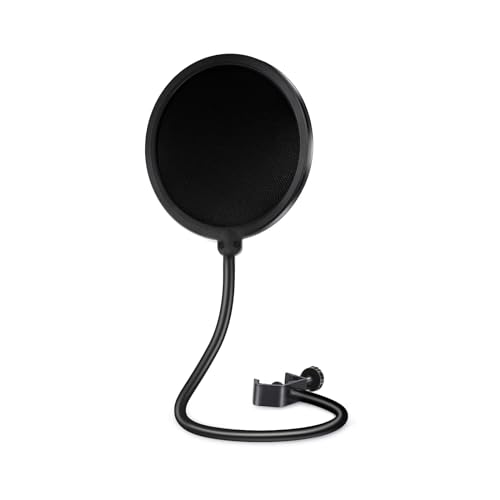
- Double nylon mesh reduces plosives and wind
- 360-degree gooseneck enables precise adjustment
- Designed for recording, gaming, and broadcasting
Best For: Blue Yeti users and flexible home broadcasting setups
Double-Mesh Classic
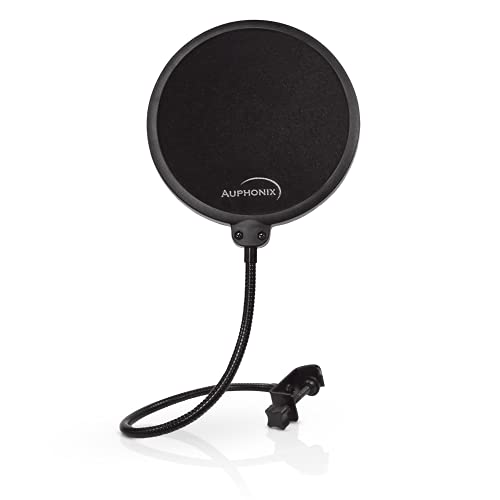
- Double-layer mesh helps reduce pops and distortion
- Flexible gooseneck supports set-and-forget placement
- Works for vocals, podcasts, voiceovers, and vlogging
Best For: Home recording and spoken-word creators
Adaptable Metal Screen

- Clip-style design is easy to install
- Fine mesh helps address wind and pop interference
- Metal construction is described as sturdy
Best For: Buyers wanting a clip-on windscreen
Washable Two-Layer Shield

- Metal net and etamine layers reduce plosives and breath sounds
- Washable design supports easy maintenance
- Elastic bands and rubber ring provide a secure fit
Best For: Vocal recording and frequently used studio setups
Classic Dual-Screen Control

- Dual micro-weave nylon screens
- Quiet, position-locking gooseneck
- Firm C-clamp mounting
Best For: Natural-sounding vocal recording setups
Studio-Friendly Double Mesh
Movo PF-6 Dual Layer Pop Filter

- Double-layer nylon mesh
- Adjustable gooseneck arm
- One-year warranty and support
Best For: Blue Yeti and Blue Snowball vocal setups
Flexible 360-Degree Mount
Professional Dual-Layer Windscreen

- Dual-layer wind pop screen
- 360-degree flexible gooseneck
- Adjustable stabilizing clamp
Best For: Versatile home, studio, and stage vocal use
Compact Plosive Control – FIFINE PF1 Dual-Layer Pop Filter
The FIFINE PF1 is a practical choice among dual layer microphone pop filters for recording, singing, gaming, and live streaming. Its two-screen design helps disperse airflow and reduce bursts from spoken plosives, while the broad metal mesh shield also helps protect the microphone from saliva.
Best For: FIFINE microphone users, streamers, singers, and voiceover recording setups needing a compact, adjustable filter.
Pros:
- Dual-layer construction helps control airflow and plosives.
- Wide shield helps protect the microphone from saliva.
- Metal gooseneck and clamp offer flexible positioning.
- Compatible with most tubular stands and several FIFINE microphones.
Cons:
- Listed compatibility specifically highlights FIFINE models and tubular mounting hardware.
- Its compact design may provide less coverage than larger filters.
The PF1 combines a sturdy metal build, adjustable mounting, and dual-screen plosive control in a compact format. It is a sensible fit when easy positioning and microphone protection matter alongside cleaner speech.
Adjustable Studio Shield – NEEWER Professional Pop Filter
The NEEWER Professional Microphone Pop Filter uses two screens to contain air blasts before they reach the microphone. For buyers comparing dual layer microphone pop filters, its adjustable steel gooseneck and rotating clamp make it easy to position for vocals, streaming, acting, and other spoken-word work.
Best For: Singers, streamers, and actors who want adjustable placement and protection from plosives, hissing, lisping, and saliva.
Pros:
- Two-stage screen design helps disperse and contain air pressure.
- Adjustable gooseneck changes the screen angle and microphone distance.
- Scratch-proof rotating clamp fits various tubular booms and stands.
- Swivel mount supports straightforward installation and repositioning.
Cons:
- Microphone is not included.
- The clamp is intended for tubular mounting booms or microphone stands.
NEEWER’s main advantage is setup flexibility: the steel gooseneck supports the filter while the swivel clamp simplifies adjustment. It is a versatile option for users who frequently change recording positions.
Two-Filter Value Pack – Audio2000'S AWS4073 2-Pack
The Audio2000’S AWS4073 stands out among dual layer microphone pop filters by including two premium double-layer screens. Each 7.4-inch filter uses a 14-inch gooseneck and connection adapter, making this pack useful when multiple stands or recording positions need plosive control.
Best For: DJs, musicians, schools, churches, podcasters, and professional vocal recording environments needing two filters.
Pros:
- Includes two dual-layer screen pop filters.
- Large 7.4-inch diameter provides broad coverage.
- 14-inch goosenecks offer extended positioning reach.
- 5/8-inch X 27 threads connect with compatible stands and booms.
Cons:
- Connection compatibility depends on a stand or boom using 5/8-inch X 27 threads.
- The two-filter pack may be more than needed for a single-microphone setup.
This is the practical pick for buyers who need two filters or prefer a larger screen. Its extended goosenecks and specified thread connection are especially useful in multi-station or professional-style environments.
Flexible Broadcasting Shield – SUUNTOK Dual-Layer Pop Filter
The SUUNTOK microphone pop filter is designed for users comparing dual layer microphone pop filters for vocals, podcasts, vlogging, gaming, and live broadcasting. Its double nylon mesh screens help reduce plosives, wind interference, and saliva spray, while the 360-degree gooseneck supports precise positioning.
Best For: Blue Yeti and other microphone users who need flexible placement for broadcasting, gaming, voiceover, or singing.
Pros:
- Double nylon mesh helps reduce plosives and wind interference.
- 360-degree gooseneck allows flexible angle and distance adjustment.
- Helps protect the microphone from saliva spray.
- Suitable for recording, podcasts, vlogging, gaming, and live broadcasting.
Cons:
- The listed screen width is 6.9 inches, smaller than some larger pop filters.
- Specific stand-clamp compatibility is not detailed in the supplied notes.
SUUNTOK is a versatile option for a home broadcasting setup, particularly when the filter must move around the microphone. Its dual mesh design and 360-degree arm address both vocal control and day-to-day positioning needs.
Double-Mesh Classic – 6-Inch MPF-1 Pop Filter
Auphonix Microphone Pop Filter (MPF-1) 6-inch Diameter With Double Mesh Filter Screen
Check Price On AmazonIf you want dual layer microphone pop filters for vocals, podcasts, voiceovers, or vlogging, the MPF-1 uses a double mesh screen to help reduce popping and distortion. Its flexible gooseneck is designed for simple, set-and-forget positioning.
Best For: Home recording, podcasting, voiceover work, singing, and video creators who want a flexible mounted filter.
Pros:
- Double-layer mesh helps reduce pop sounds and distortion.
- Flexible yet sturdy gooseneck supports the filter for convenient placement.
- Suitable for singing, voiceovers, podcasts, and vlogging.
Cons:
- The 6-inch diameter may offer less coverage than larger pop screens.
- At 10.6 ounces, it is heavier than some alternatives in this selection.
The MPF-1 is a straightforward choice when dependable double-mesh filtering and adjustable positioning matter more than minimizing size or weight.
Adaptable Metal Screen – Dual Layer Microphone Filter
This dual layer microphone pop filter is a clip-style windscreen designed for broad microphone compatibility. Its fine metal mesh, sturdy construction, and simple installation make it a practical option for reducing unwanted wind and pop interference.
Best For: Users seeking a clip-style microphone windscreen with a fine mesh screen and adaptable fit.
Pros:
- Dual-layer design is intended to reduce wind and unwanted noise.
- Fine mesh supports a cleaner sound effect during use.
- Metal construction is described as sturdy and durable.
- Clip style is easy to install and operate.
Cons:
- The supplied notes do not specify microphone dimensions or detailed mounting compatibility.
- Its listed 54 cm size may be comparatively large for some setups.
Choose this model if you prioritize a durable clip-style design and broad adaptability, but confirm the dimensions and fit for your microphone before buying.
Washable Two-Layer Shield – Professional Pop Screen
Among dual layer microphone pop filters, this professional wind pop screen stands out for its washable construction and secure elastic-band mounting system. Its metal net and etamine layers are designed to reduce plosives, crackles, wind interference, and breath sounds.
Best For: Vocalists, speakers, and recording users who want a cleanable filter with a secure, easy-to-remove fit.
Pros:
- Two-layer metal net and etamine design targets plosives, pops, and breath sounds.
- Fully washable for easier ongoing maintenance.
- Elastic bands and an inner rubber ring help hold it firmly on the microphone.
- Easy to assemble and remove.
Cons:
- The supplied notes do not provide detailed dimensions or microphone compatibility specifications.
- The elastic-band mounting system may require careful fitting for different microphones.
This is a strong practical pick for recording setups where reducing vocal artifacts and keeping the filter clean are both priorities.
Classic Dual-Screen Control – OnStage ASFSS6-GB
The OnStage ASFSS6-GB is a practical choice for anyone comparing dual layer microphone pop filters for vocal recording. Its dual, non-conductive hoops hold a taut micro-weave nylon screen, while the flexible gooseneck and clamp make positioning straightforward.
Best For: Vocalists and home or studio setups that want a natural sound profile with secure, adjustable mounting.
Pros:
- Dual-screen design uses a micro-weave nylon filter to diffuse vocal thrusts.
- 11.5-inch gooseneck locks into position without making a noise.
- Nylon-tipped C-clamp attaches firmly to microphone stands or booms.
- Includes a three-year warranty.
Cons:
- The supplied notes do not specify compatibility with a particular microphone model.
- Its brass and nylon construction may be less appealing to shoppers seeking an all-metal filter.
Choose this model if stable positioning and a natural sound profile matter most. The included C-clamp and quiet gooseneck make it well suited to repeatable recording setups.
Studio-Friendly Double Mesh – Movo PF-6 Dual Layer Pop Filter
The Movo PF-6 is designed for shoppers seeking dual layer microphone pop filters with simple mounting and adjustable positioning. Its double-layer nylon mesh helps minimize plosives, and the included gooseneck arm mounts to a microphone stand.
Best For: Home and studio vocalists using microphones such as the Blue Yeti or Blue Snowball.
Pros:
- Double-layer nylon mesh is intended to remove noise twice as effectively as standard pop filters.
- Flexible gooseneck arm adjusts for recording position.
- Mounts easily to a microphone stand.
- Includes a one-year warranty and US-based support.
Cons:
- The supplied notes do not provide the gooseneck length or clamp construction details.
- Performance claims are focused on plosive reduction rather than a specific sound profile.
The PF-6 is a straightforward option when easy setup and double-layer plosive control are priorities. Its stated compatibility with popular Blue microphones adds useful flexibility for common recording arrangements.
Flexible 360-Degree Mount – Professional Dual-Layer Windscreen
This professional windscreen is a compact option among dual layer microphone pop filters, with a flexible 360-degree gooseneck and stabilizing clamp arm. It is designed to reduce popping sounds caused by fast-moving air during speech and singing.
Best For: Recording, broadcasting, karaoke, stage, and home vocal environments that need flexible positioning.
Pros:
- Dual-layered wind pop screen is designed for vocal recording.
- 360-degree flexible gooseneck supports convenient positioning.
- Adjustable clamp is designed to attach securely to a microphone stand.
- Compact dimensions and 6.4-ounce weight support a relatively portable setup.
Cons:
- Microphone is not included.
- The supplied notes do not specify the screen material or warranty coverage.
- Compatibility is described broadly rather than with detailed mounting specifications.
Consider this filter if all-around adjustability is more important than detailed hardware specifications. Its 360-degree arm and stated use across studio, broadcast, stage, and home settings make it a versatile basic accessory.
How We Picked the Best Dual Layer Microphone Pop Filters
We focused on the features that matter during everyday recording: effective two-layer plosive control, secure mounting, useful positioning range, microphone compatibility, and practical build quality. A good filter should stay between your mouth and microphone without sagging, twisting, or requiring constant adjustment.
The selection includes compact nylon and mesh designs, larger studio-style screens, flexible gooseneck arms, single and two-pack options, and models intended for popular microphones such as the Blue Yeti. Because room setups vary, we considered both desk-mounted and stand-mounted use cases.
Quick Comparison
| What to Compare | Why It Matters |
|---|---|
| Screen construction | Two layers help diffuse breath and reduce plosive impact. |
| Mounting system | A strong clamp and fitting prevent movement during recording. |
| Gooseneck reach | Longer, flexible arms make positioning easier around different microphones. |
| Screen diameter | Larger screens provide more tolerance when you move while speaking. |
| Pack size | Two-packs are useful for multi-microphone setups or replacement coverage. |
Key Buying Factors for Dual-Layer Microphone Pop Filters
Screen Material and Design
Nylon mesh is light and commonly used for voice recording, while metal or rigid double-screen designs can feel more durable and easier to clean. The important consideration is spacing: the filter should create a small buffer between your mouth and the microphone rather than sit directly against the grille.
Clamp and Arm Stability
Check the clamp’s adjustment range and whether it suits your microphone stand, boom arm, or desk edge. A flexible 360-degree gooseneck is convenient, but it must hold its position under the screen’s weight. If the arm droops, even an effective filter becomes frustrating to use.
Size and Compatibility
Measure the available space around your microphone before buying. A six-inch screen offers broad coverage, while a smaller model may work better in compact streaming spaces. Also verify that the included mount fits your stand or boom arm and that the filter can sit at the correct angle.
Cleaning and Placement
Position the filter several inches in front of the microphone and speak toward its center. Wipe rigid screens and mounts regularly; for fabric or nylon screens, follow the manufacturer’s cleaning guidance and replace the filter if it becomes stretched or contaminated.
Who Should Buy Which Dual Layer Microphone Pop Filters?
For podcasting and voice-over: Choose a larger, stable screen with a strong clamp and adjustable arm. It provides consistent coverage during longer sessions.
For streaming and gaming: A compact filter with a flexible gooseneck is practical when desk space is limited or the microphone is frequently repositioned.
For Blue Yeti and similar USB microphones: Look for a model specifically described as compatible with the microphone’s shape and mounting arrangement, then confirm the clamp can attach to your stand or boom arm.
For shared or multi-mic setups: A two-pack can offer better value and keep matching protection available for a second recording position.