Wind, breath, plosives, and handling noise can quickly undermine an otherwise strong interview recording. The right foam cover helps reduce these distractions while keeping voices clear and intelligible.
We’ve rounded up 10 microphone windscreens for interviews, including options for handheld, wireless, lavalier, and model-specific microphones. Use the guide below to match coverage, fit, durability, and value to your recording setup.
Best 10 Microphone Windscreens for Interviews Picks for 2026
Best Value Pack
Mudder 5-Pack Handheld Windscreens

- Five foam covers for replacement or shared use
- Fits most standard handheld microphones
- Helps block saliva and moisture
Best For: Interview teams and conference-room kits
Best for Shure SM57
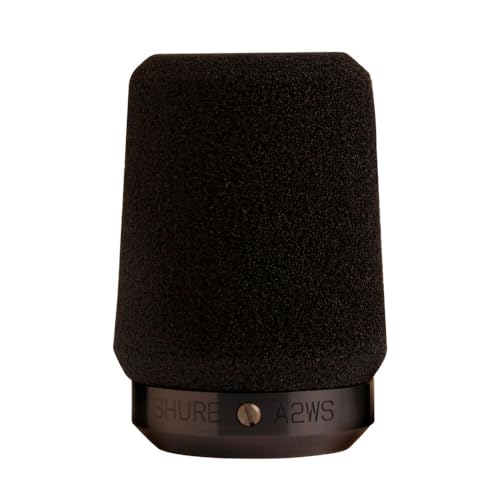
- Made for SM57 and 545 Series microphones
- Locking fit for close-up and outdoor use
- Reduces breath, wind, pops, and ticks
Best For: Shure-based interview and live-recording setups
Best for USB Condenser Mics
Mudder 50mm Large Foam Windscreen

- Designed for Blue Yeti and Yeti Pro
- High-density foam reduces wind interference
- Useful for interviews and podcasting
Best For: Blue USB condenser microphone users
Best Washable Pair
HIYANCO 2-Pack Handheld Mic Covers
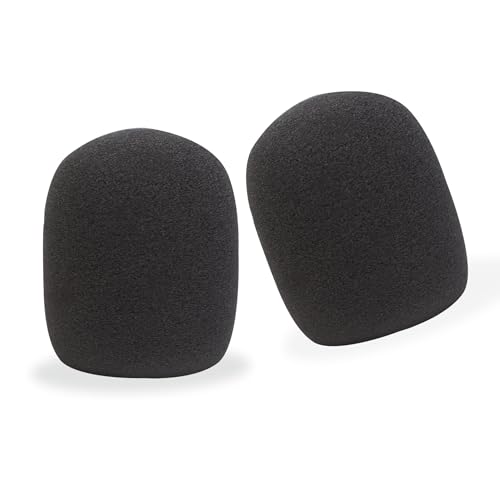
- Two covers for standard handheld microphones
- Washable and suitable for repeated use
- Reduces some background noise without muffling
Best For: Small interview kits and shared handheld microphones
Best Washable Value Pack
AKSONMN 10-Pack Lavalier Foam Covers

- Ten 1.4-inch foam covers for compatible wireless lav mics
- Helps reduce pops, breath sounds, and wind noise
- Washable and reusable with a storage case
Best For: Frequent creators using wireless lavalier microphones
Best Handheld Replacement
Generic Interior Foam Windscreens

- Five interior foam replacements for compatible handheld mics
- Helps reduce plosives, breath noise, and wind
- Listed for SM58, Beta 58, and other models
Best For: Replacing worn foam inside handheld microphone grilles
Best Handheld Interview Fit

- Eight black covers for compatible handheld microphones
- 1.26-inch inner diameter and resilient foam construction
- Reduces breath pops, wind noise, and light interference
Best For: Handheld interview, livestream, and event microphones
Best Handheld Coverage

- High-density foam filters wind and pops
- 40 mm opening with 90 mm inner length
- Designed for larger interview and recording microphones
Best For: Handheld microphones and field-recording setups
Best Rode Interview GO Replacement

- Made for the Rode Interview GO adaptor
- Blocks plosives, breath, and wind noise
- Washable, elastic replacement design
Best For: Wireless GO interview setups using the Interview GO adaptor
Best Value Pack – Mudder 5-Pack Handheld Windscreens
For interviews using standard handheld microphones, the Mudder 5 Pack offers multiple foam microphone windscreens for interviews and other shared-use settings. The soft, elastic foam fits microphones with a caliber of about 1.4 inches and helps keep saliva and moisture away from the mic.
Best For: Interview teams, conference rooms, stage use, and anyone who wants spare covers on hand.
Pros:
- Includes five foam covers for economical replacement or shared use.
- Designed for most standard handheld microphones.
- Soft, thick foam offers a snug fit and helps protect against moisture.
- Suitable for news interviews, conferences, performances, and karaoke.
Cons:
- Not designed for headset microphones.
- Covers arrive compressed and need time to regain their shape.
This is a practical multipack for interview kits that need simple, sanitary handheld-mic protection rather than a specialized fit.
Best for Shure SM57 – Shure A2WS Locking Windscreen
The Shure A2WS is a locking windscreen for specific Shure handheld microphones. For interviews with an SM57 or 545 Series mic, it is designed to reduce unwanted breath and wind noise during close-up and outdoor use.
Best For: Shure SM57 and 545 Series microphones used for close interviews, outdoor recording, or live applications.
Pros:
- Designed specifically for Shure SM57 and 545 Series microphones.
- Locking design helps secure the windscreen to the microphone.
- Dampens breath, wind noise, pops, ticks, hacking, and whistling sounds.
- Backed by a two-year limited warranty.
Cons:
- Compatibility is limited to the specified Shure microphone series.
- Sold as a single windscreen rather than a multipack.
Choose this model when a precise Shure fit matters more than universal compatibility or quantity.
Best for USB Condenser Mics – Mudder 50mm Large Foam Windscreen
The Mudder 50mm foam windscreen is made for large Blue condenser microphones, including the Blue Yeti and Blue Yeti Pro. It suits interviews, podcasts, and field recordings where reducing wind interference, dust, and saliva is useful.
Best For: Blue Yeti or Yeti Pro users recording interviews, podcasts, voice-overs, and conference calls.
Pros:
- Designed for Blue Yeti and Blue Yeti Pro microphones.
- High-density foam helps reduce unwanted noise and wind interference.
- Provides protection from dust and saliva for indoor or outdoor use.
- Suitable for interviews, podcasting, and field recordings.
Cons:
- Not a universal handheld-microphone cover; it targets compatible Blue condenser microphones.
- Microphone and accessories are not included.
- Arrives compressed and needs time to return to shape.
This is a focused choice for large desktop condenser microphones, but buyers should confirm their mic is a compatible Blue model before ordering.
Best Washable Pair – HIYANCO 2-Pack Handheld Mic Covers
The HIYANCO 2 Pack provides foam microphone windscreens for interviews conducted with standard handheld microphones. The covers are washable, help reduce some background noise without muffling sound, and add a practical layer of protection from saliva and moisture.
Best For: Interviewers, conference users, performers, and small recording kits that need two reusable handheld covers.
Pros:
- Includes two foam covers for standard handheld microphones.
- Washable design supports repeated, sanitary use.
- Helps reduce some background noise without muffling the sound.
- Suitable for news interviews, conferences, stage use, and karaoke.
Cons:
- Not intended for headset microphones.
- Two-piece quantity is smaller than a five-pack.
- Covers arrive slightly compressed and need time to regain their shape.
This pair balances reusability and portability, making it a sensible option when you need a couple of handheld covers rather than a larger stockpile.
Best Washable Value Pack – AKSONMN 10-Pack Lavalier Foam Covers
If you need microphone windscreens for interviews using wireless lavalier microphones, the AKSONMN 10-pack is a practical option. Its 1.4-inch ball-style foam covers are designed to reduce pops, breath sounds, and wind noise while protecting the mic from dust and saliva.
Best For: Interviewers, vloggers, podcasters, and creators using compatible wireless lavalier microphones.
Pros:
- Ten black foam covers provide useful spares for frequent recording.
- Helps reduce pops, breath sounds, and wind noise.
- Washable, reusable foam can be rinsed and dried between uses.
- Comes in a transparent case for transport and storage.
Cons:
- Fit is tailored to compatible wireless lavalier microphones, so measuring your mic is important.
- Foam covers offer basic wind protection rather than heavy-duty outdoor isolation.
The washable design and 10-pack make this a convenient choice for recurring interview work, provided the listed dimensions match your lavalier microphone.
Best Handheld Replacement – Generic Interior Foam Windscreens
For handheld microphone windscreens for interviews, this five-pack replaces the interior foam found inside compatible microphone grilles. The foam is intended to reduce plosives, breath noise, and wind while fitting many universal handheld microphone designs.
Best For: Interviewers and performers replacing worn interior foam in compatible handheld microphones.
Pros:
- Designed for use inside microphone grilles rather than as an exterior cover.
- Helps reduce popping sounds from plosive consonants such as “p” and “b.”
- Listed as compatible with many handheld models, including SM58 and Beta 58 types.
- Five-pack provides replacement pieces when foam becomes dirty or worn.
Cons:
- Compatibility is not universal, despite the broad model list.
- Foam may arrive folded and needs time or reshaping before use.
- It is intended as an interior replacement, not a general exterior slip-on windscreen.
This pack makes sense when your handheld mic already uses an internal grille insert. Check the microphone model and grille dimensions before ordering, and allow compressed foam to regain its shape.
Best Handheld Interview Fit – HOVOTAR 8-Pack Foam Covers
These microphone windscreens for interviews are made for handheld microphones, with an approximately 1.26-inch inner diameter intended to fit most compatible mic heads. The thick foam covers help reduce breath pops, wind noise, and light background interference during voice recording.
Best For: Handheld microphones used for interviews, livestreams, meetings, singing, and stage work.
Pros:
- Eight black covers provide multiple replacements for regular use.
- Ball-shaped opening is designed to slip onto compatible handheld microphones.
- Thick, resilient foam helps covers retain their shape.
- Helps shield mic heads from dust, moisture, and light splashes.
Cons:
- Not intended for headset microphones.
- Fit depends on the handheld mic head being within the listed dimensions.
- Vacuum-compressed packaging means the covers need time to rest after unpacking.
With eight covers and a handheld-focused design, this is a useful bulk option for interview kits and event work. Confirm the 1.26-inch inner diameter before relying on it for a particular microphone.
Best Lav Mic Value – Mini Lavalier Foam Covers
For interviews recorded with a lavalier microphone, these compact foam covers offer a practical way to reduce wind interference and some background noise. The 12-piece set fits lav mics measuring about 7 to 10 mm in diameter, so check your microphone size before ordering.
Best For: Interviewers who use small lavalier microphones and want lightweight replacement windscreens for indoor or outdoor recording.
Pros:
- 12-piece set provides multiple replacements.
- Designed for lavalier microphones around 7 to 10 mm in diameter.
- Lightweight, portable foam helps reduce wind, dust, saliva, and some background noise.
- Elastic foam can recover its shape and is described as durable.
Cons:
- Compatibility depends on measuring the lavalier microphone diameter.
- Mini size is not intended for handheld interview microphones.
This is a useful budget-friendly option when your interview setup relies on compact lapel mics. Its main advantage is the quantity, though the small opening makes fit verification essential.
Best Handheld Coverage – Large Triangle Mic Foam Cover
For interview microphones with a larger handheld or condenser-style body, this high-density foam cover provides broad wind and pop filtering. Its 40 mm opening and 90 mm inner length make it important to confirm your microphone dimensions before purchase.
Best For: Handheld-style interview microphones, field recording, podcasting, voiceovers, and other setups needing a larger foam cover.
Pros:
- High-density foam helps filter wind and protect against dust and saliva.
- Large opening measures 40 mm, with a 90 mm inner length.
- Flexible design wraps around the microphone and is intended to stay in place.
- Suitable for indoor and outdoor recording, including interviews.
Cons:
- Only one windscreen is included.
- Its large triangle design may not suit compact lavalier microphones.
- Microphone dimensions should be checked for a secure fit.
This cover is the more suitable choice when standard lavalier windscreens are too small. It offers broad physical coverage for interview and recording use, but its dimensions and shape make compatibility the key consideration.
Best Rode Interview GO Replacement – Wireless GO Mic Foam Cover
When your interview setup uses the Rode Interview GO handheld adaptor for a Wireless GO mic, this replacement foam cover is designed as a direct-fit accessory. It snaps onto the mic, helping block plosives, breath, and wind while adding protection from dust and moisture.
Best For: Wireless GO users who need a replacement windscreen for the Rode Interview GO handheld adaptor.
Pros:
- Designed specifically for the Rode Interview GO handheld adaptor for Wireless GO.
- Helps reduce plosives, breath noise, and wind noise.
- High-elasticity material fits securely and can be washed with water.
- Protects the microphone from slip, dust, and moisture.
Cons:
- Microphone is not included.
- Its compatibility is specialized rather than universal.
- It is described as a replacement accessory for an existing adaptor setup.
This is a focused solution for interview creators already using the Rode Interview GO adaptor. It is less flexible than a universal windscreen, but the specified fit and washable construction make it convenient as a replacement.
How We Picked the Best Microphone Windscreens for Interviews
We focused on practical characteristics that matter during interviews: microphone compatibility, opening size, foam coverage, pack quantity, portability, and intended use. The selection includes general-purpose handheld covers, replacement interior foam, lavalier-sized windscreens, and products designed for specific microphone adapters or series.
Because a windscreen must fit securely without obstructing the microphone capsule, compatibility was prioritized over appearance alone. We also considered whether each option is best suited to occasional indoor recording, repeated field use, or replacing worn foam on an existing microphone.
Quick Comparison
| Best For | What to Look For | Typical Advantage |
|---|---|---|
| Handheld interview microphones | Correct length and opening diameter | Simple protection from breath and light wind |
| Wireless or adapter-mounted microphones | Model-specific compatibility | More secure fit and fewer mounting problems |
| Lavalier microphones | Mini or ball-style foam cover | Reduces clothing friction and light air movement |
| Replacement microphone interiors | Matching grille and capsule dimensions | Restores worn or missing internal foam |
| Frequent field recording | Multipacks and washable, resilient foam | Convenient spares for multiple shoots |
Key Buying Factors for Microphone Windscreens for Interviews
Fit and Microphone Compatibility
Measure the microphone grille or compare its model number with the product listing before buying. A loose cover can slip during handling, while an overly tight one may distort the foam or fail to cover the capsule fully. Model-specific options are generally safer for microphones such as the Shure SM57, SM58, Beta58, or Rode wireless accessories.
Foam Size and Coverage
Handheld microphones usually need larger covers than lavalier microphones. A thicker or longer foam windscreen can provide more protection, but excessive material may make the microphone awkward to handle or interfere with an adapter. For interviews, choose enough coverage to shield the capsule without placing the speaker too far from it.
Wind and Plosive Control
Foam windscreens help with light wind, breath bursts, and “P” or “B” sounds, but they are not a substitute for a heavy-duty furry wind cover in strong outdoor wind. If interviews take place outside, combine the foam with sensible microphone positioning and, when needed, additional wind protection.
Pack Size, Hygiene, and Maintenance
Multipacks are useful for news teams, classrooms, podcasts, and shared equipment because foam can collect dust, makeup, moisture, and outdoor debris. Keep spare covers available, allow damp foam to dry fully, and replace covers that become compressed, torn, or difficult to clean.
Who Should Buy Which Microphone Windscreens for Interviews?
Choose a general handheld multipack if you record interviews with several similarly sized microphones and want inexpensive replacements. Choose a model-specific windscreen when a secure fit matters more than universal compatibility. Choose mini lavalier covers for clip-on microphones, where full-size handheld foam would be bulky. Choose interior replacement foam when the outer grille is intact but the original internal lining has deteriorated.
For most interview setups, the best choice is the smallest compatible windscreen that fully covers the microphone’s pickup area and stays secure during movement. That balance provides useful protection without unnecessarily muffling speech or making the microphone harder to use.