Choosing the right recorder can make your podcast sound cleaner, more consistent, and easier to produce. If you need reliable inputs for external mics, monitoring, and simple file management, the right device matters.
This roundup focuses on podcast recorders with external microphone input that fit different workflows, from solo creators to full multi-guest setups. Whether you record at home, on the road, or in a studio, you’ll find options that balance sound quality, flexibility, and ease of use.
Best 10 Podcast Recorders with External Microphone Input Picks for 2026
Multi-Input Podcast Hub
Zoom PodTrak P4 for 4-Mic Shows

- 4 XLR mic inputs with phantom power
- 4 headphone outputs with individual level control
- Automatic Mix-Minus for phone and USB interviews
Best For: Four-person podcasts and remote interview setups
Portable Voice Archive
EVIDA 128GB Recorder for Long Sessions
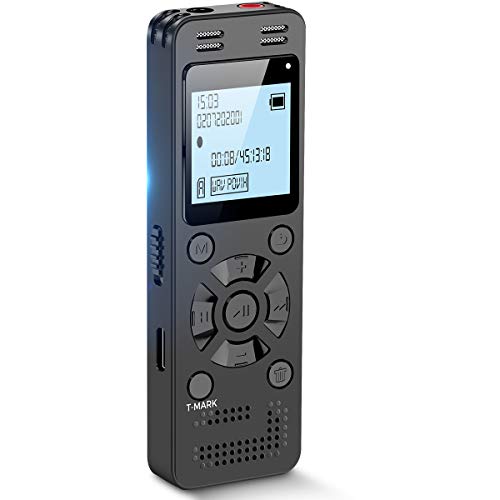
- 128GB storage with very long recording capacity
- Voice-activated recording with six sensitivity levels
- Up to 54 hours of battery life per charge
Best For: Lectures, meetings, and long solo recordings
Four-Mic Starter Kit
Movo USB Podcast Bundle with Hub
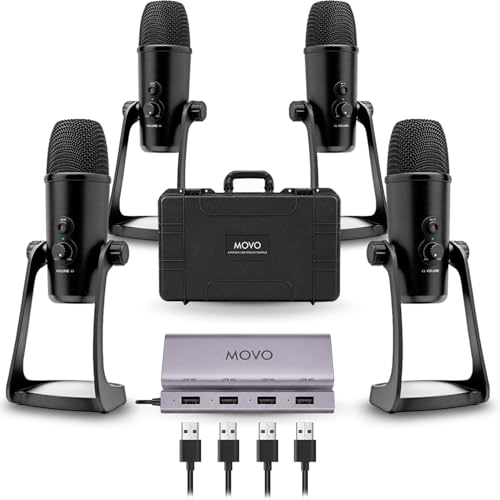
- Four condenser mics and a 4-port USB hub included
- USB-C power input supports stable multi-mic recording
- 3.5mm headphone output enables live monitoring
Best For: Group podcasts and portable USB interview setups
Compact XLR Recorder
Zoom H1 XLR for Simple Podcasting

- Two XLR/TRS combo inputs for external mics
- 32-bit/96kHz recording with waveform display
- 3.5mm input and headphone output for added flexibility
Best For: Small interviews and mobile two-mic recording
Studio-Ready Podcast Hub

- Four XLR/TRS mic inputs for multi-host shows
- 14-track recording direct to SD card
- Bluetooth, Aux, and USB inputs for added sources
Best For: Podcasters needing a full mixer-recorder with multiple external mic inputs
Portable Clean-Audio Pick

- Compact recorder with clear stereo capture
- USB-C mode works as a microphone for calls and streams
- Good for podcasts, interviews, and voiceovers
Best For: Portable creators who want simple recording with USB microphone support
Flexible 4-Track Choice
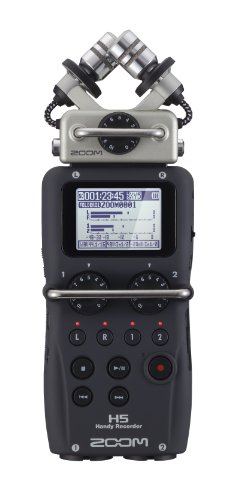
- Two XLR/TRS combo inputs for external mics
- Interchangeable capsules expand recording options
- Four-track recording plus USB audio interface mode
Best For: Creators who want a handheld recorder with external mic input and extra flexibility
Studio-Grade 6-Track Flexibility
Zoom H6 Studio for multitrack podcast recording

- Up to 6 tracks plus stereo mix
- 32-bit float recording with look-ahead limiters
- 19.4mm mics handle up to 140 dB SPL
Best For: Podcasters and creators who need multitrack capture and strong overload protection
Compact Dual XLR Reliability
Zoom F3 for secure external mic recording

- Dual locking XLR inputs for secure connections
- 32-bit float recording for sudden peaks
- Ultra-low-noise preamps for cleaner capture
Best For: Creators who want a compact recorder with secure XLR mic inputs
Guided 4-Track Podcast Recorder
Zoom H4 Essential for easy external mic recording

- Two XLR/TRS inputs for external mics
- Built-in stereo mics for quick capture
- 32-bit float, 4-track recording with USB-C
Best For: Podcasters and interviewers who want simple controls and external mic support
Multi-Input Podcast Hub – Zoom PodTrak P4 for 4-Mic Shows
If you want podcast recorders with external microphone input, the Zoom PodTrak P4 is built for multi-host sessions and remote interviews. Its four XLR mic inputs, dedicated headphone outs, and phone/USB connectivity make it a practical recording hub for small shows that need flexible routing.
Best For: Four-person podcasts, call-in interviews, and creators who want a compact all-in-one recorder.
Pros:
- 4 XLR microphone inputs with phantom power
- 4 headphone outputs with individual volume control
- Automatic Mix-Minus for phone and USB remote interviews
- Programmable sound pads and multi-track recording
Cons:
- Battery life is limited to about 3.5 hours on two AA batteries
- Uses a small 2-inch screen
Overall, the PodTrak P4 is a strong choice when you need external mic input for several speakers and want built-in tools for monitoring and remote conversation. It is especially useful for podcast workflows that value simple, hands-on control.
Portable Voice Archive – EVIDA 128GB Recorder for Long Sessions
For buyers looking at podcast recorders with external microphone input, this EVIDA model is more of a compact voice recorder than a true multi-mic podcast deck, but it can still fit simple interview and note-taking workflows. It focuses on long battery life, large storage, and voice-activated recording for straightforward capture.
Best For: Lectures, meetings, solo interviews, and long-form voice notes.
Pros:
- 128GB storage with up to 9,296 hours of recording capacity
- Up to 54 hours of continuous recording on a full battery
- Voice-activated recording with six sensitivity levels
- PCM recording and WAV/MP3 format support
Cons:
- No headphone jack for live monitoring
- Built-in microphone design limits external mic expandability
This is best viewed as a high-capacity portable recorder rather than a podcast mixer. If your priority is long unattended recording and easy file transfer, it offers useful features in a very compact package.
Four-Mic Starter Kit – Movo USB Podcast Bundle with Hub
If you need podcast recorders with external microphone input for a group setup, this Movo bundle is a plug-and-play way to get four USB microphones recording at once. The included 4-port hub, headphone monitoring, and travel case make it a practical option for simple podcast and streaming sessions.
Best For: Group podcasts, panel interviews, classrooms, and portable USB recording setups.
Pros:
- Includes four condenser mics plus a 4-port USB hub
- Runs all four microphones simultaneously with USB-C power input
- Built-in 3.5mm headphone output for real-time monitoring
- Plug-and-play use with Mac and Windows, no drivers required
Cons:
- USB microphone setup is less flexible than XLR systems
- Designed around the included bundle components, not a modular recorder
For creators who want a simple multi-mic setup without a separate mixer, this bundle keeps the workflow straightforward. It is a good fit when ease of use and portability matter more than advanced routing features.
Compact XLR Recorder – Zoom H1 XLR for Simple Podcasting
Among podcast recorders with external microphone input, the Zoom H1 XLR stands out for keeping the setup small while still giving you two combo inputs. It records in 32-bit/96kHz, adds an OLED waveform display for level checking, and includes 3.5mm input/output for extra flexibility.
Best For: Small podcast interviews, creators who want dual external inputs, and mobile recording.
Pros:
- Two XLR/TRS combo inputs for microphones or instruments
- 32-bit / 96kHz recording for detailed audio capture
- OLED waveform display helps monitor levels quickly
- 3.5mm stereo input and headphone output add flexibility
Cons:
- Only two external inputs, so it is not built for larger panels
- Small 0.96-inch screen leaves less room for on-device navigation
This is a sensible choice when you need real external mic inputs but do not want a larger podcast mixer. It offers a clean balance of portability, monitoring, and professional-format recording for smaller sessions.
Studio-Ready Podcast Hub – TASCAM Mixcast 4
If you want podcast recorders with external microphone input that can also handle live production, the TASCAM Mixcast 4 is built for that workflow. It combines four mic inputs with recording, mixing, USB audio interface support, Bluetooth, and an Aux input for phone calls or other sources, so you can manage a full podcast setup from one unit.
Best For: Podcasters who need a central mixer/recorder with multiple external mic inputs and built-in production features.
Pros:
- Four XLR/TRS mic inputs give you plenty of room for multi-host recording.
- Records up to 14 tracks directly to SD card for more flexible post-production.
- Bluetooth, Aux, and USB connectivity let you bring in phones, computers, and other external sources.
- Sound pads and Podcast Editor support make it easier to add effects and organize content.
Cons:
- It is a more involved all-in-one unit than a simple handheld recorder.
- May be more machine than needed if you only record solo or one-on-one podcasts.
This is a strong choice when your priority is a podcast recorder with external microphone input plus the tools to mix, trigger sounds, and manage a fuller production workflow.
Portable Clean-Audio Pick – Zoom H1 Essential Recorder
The Zoom H1 Essential is a compact option for podcast recorders with external microphone input needs when portability matters most. It captures clear stereo audio, works with USB-C as a microphone for livestreams and calls, and is designed for quick recording of conversations, interviews, and voiceovers on the go.
Best For: Creators who want a lightweight recorder for portable podcasting, interviews, and USB mic use.
Pros:
- Very lightweight and pocket-friendly for easy carry.
- 32-bit float, X/Y stereo mics help capture cleaner audio in many situations.
- USB-C mic mode adds flexibility for livestreams, remote meetings, and desktop or mobile recording.
- Useful for podcasts, interviews, lectures, and voiceovers beyond simple music capture.
Cons:
- Built-in mic design is better for portable capture than for multi-mic studio setups.
- Does not offer the expanded channel count of larger podcast mixers.
If you need a small recorder that travels easily and still supports podcast-style recording, the H1 Essential keeps the setup simple while delivering a more polished sound than a phone or camera alone.
Flexible 4-Track Choice – Zoom H5 Handheld Recorder
The Zoom H5 is a practical pick if you want podcast recorders with external microphone input and the flexibility to grow. It includes two XLR/TRS combo inputs with selectable phantom power, a detachable X/Y capsule, and four-track simultaneous recording, making it suitable for interviews, voice work, and more varied recording setups.
Best For: Podcasters and filmmakers who need interchangeable inputs and XLR-capable recording in a handheld unit.
Pros:
- Two XLR/TRS combo inputs support external microphones and line-level sources.
- Interchangeable input capsules add flexibility for different recording situations.
- Four-track simultaneous recording gives you more options when capturing complex sessions.
- USB audio interface mode works with PC, Mac, and iPad, including Loop Back support.
Cons:
- Limited to two mic/line inputs on the body, so larger podcast panels need extra planning.
- Runs on AA batteries and records to SD/SDHC media, so it is less desk-centered than a dedicated mixer.
For buyers who want a handheld recorder that still accepts external mics and can double as an audio interface, the H5 offers a balanced mix of portability and input flexibility.
Studio-Grade 6-Track Flexibility – Zoom H6 Studio for multitrack podcast recording
If you want podcast recorders with external microphone input that can handle more than a simple voice memo setup, the Zoom H6 Studio gives you room to grow. It records up to 6 individual tracks plus a stereo mix, and its 32-bit float recording helps protect takes from distortion when levels jump unexpectedly.
Best For: Podcasters, filmmakers, and musicians who need multitrack recording with strong headroom and long-session reliability.
Pros:
- Records up to 6 tracks plus a stereo mix for more complex sessions
- 32-bit float recording helps keep audio clean and distortion-free
- 19.4mm microphones are rated to handle up to 140 dB SPL
- Look-ahead limiters add another layer of protection against overloads
Cons:
- Built for bigger workflows than a basic one-person podcast rig
- 4 AA batteries are required for portable use
Overall, this is a strong choice if your podcast setup includes external mics and you want professional-level recording safety plus room for expanding productions. It is especially appealing when you need both standalone flexibility and dependable sound under unpredictable conditions.
Compact Dual XLR Reliability – Zoom F3 for secure external mic recording
For podcast recorders with external microphone input in a compact field-ready format, the Zoom F3 is built around dependable dual XLR connections and 32-bit float recording. It is designed for situations where you want to capture dialogue or other audio without constantly stopping to ride gain.
Best For: Podcasters and recordists who need secure XLR inputs and a no-fuss recorder for unpredictable sessions.
Pros:
- Dual locking XLR inputs keep microphone connections secure
- 32-bit float recording helps capture sudden peaks without level adjustments
- Ultra-low-noise preamps support clean recording in demanding environments
- Flexible power and USB workflows suit long days on set or location
Cons:
- Focused on external XLR workflows rather than built-in mics
- Less feature-rich than larger handheld recorders for multi-source setups
This is a practical option if your podcast or interview workflow depends on external microphones and you want a recorder that stays locked in and keeps audio usable when conditions are not controlled. It is especially suited to mobile, professional-style recording.
Guided 4-Track Podcast Recorder – Zoom H4 Essential for easy external mic recording
If you are comparing podcast recorders with external microphone input and want something straightforward to use, the Zoom H4 Essential is built for podcasts, interviews, and video audio. It combines built-in stereo mics with two XLR/TRS inputs, so you can plug in external mics or gear and still have a flexible portable recorder.
Best For: Podcasters, interviewers, and creators who want an easy-to-use recorder with built-in mics plus external input options.
Pros:
- Two XLR/TRS inputs support external microphones and instruments
- Built-in stereo microphones add quick grab-and-go recording
- 32-bit float and 4-track recording help prevent distorted takes
- USB-C connectivity works for recording or streaming, with SD card backup
Cons:
- 4-track design is simpler than larger multitrack recorders
- AA battery power means you will need to plan for portable sessions
As a podcast recorder, this model stands out for balancing external mic input, portable operation, and guided menu use. It is a sensible pick when you want an accessible recorder that can handle interviews, spoken-word work, and quick production setups.
How We Picked the Best Podcast Recorders with External Microphone Input
We focused on recorders that support external microphones and offer practical features podcasters actually use: clean preamps, dependable input options, monitoring, multi-track recording, USB connectivity, and straightforward controls. We also considered portability, battery life, and how well each unit fits common podcasting setups.
Quick Comparison
For multi-host shows and interviews, look for units with several XLR inputs and enough headphone outputs for everyone. Solo creators may prefer compact handheld models that are easy to carry and fast to set up. If you also need location audio or video-production flexibility, a field recorder can be the better all-around choice.
Key Buying Factors for Podcast Recorders with External Microphone Input
Input Count and Type
Start with the number of microphones you need today, then add one extra channel if you plan to grow. XLR inputs are the safest bet for podcasting because they work with most dynamic and condenser mics and provide more reliable locking connections than 3.5mm inputs.
Monitoring and Gain Control
Headphone outputs and independent level control help you catch clipping, plosives, and room noise before they ruin a take. If you record multiple speakers, separate headphone monitoring is especially useful.
Recording Workflow
Look for features like multitrack recording, onboard editing, USB audio interface mode, and phone or computer connectivity. These can save time if you publish often or record remote interviews.
Power and Portability
Battery operation, compact size, and durable build matter for travel, live events, and field recording. Larger tabletop mixers may offer more control, while handheld units trade some features for convenience.
Who Should Buy Which Podcast Recorders with External Microphone Input?
Creators running roundtable shows should prioritize multi-input mixers or recorders with at least four mic inputs. Solo podcasters and interviewers may be better served by smaller handheld recorders that still accept external microphones. If your work extends beyond podcasting into video or field production, choose a flexible recorder with strong mic input options and reliable onboard recording.
In short, the best Podcast Recorders with External Microphone Input are the ones that match your mic count, recording style, and workflow without adding unnecessary complexity.