Travel-friendly sax setups make it easier to practice on the road without giving up portability, comfort, or tone. Whether you need a silent digital option, a pocket-sized woodwind, or a full-size sax with smarter packing gear, the right choice depends on how and where you play.
This roundup focuses on saxophones for travel that balance size, weight, noise level, and ease of transport so you can choose a model that fits your trip, your skill level, and your practice routine.
Best 10 Saxophones for Travel Picks for 2026
Ultra-Portable Silent Practice Pick

- Only 1 lb and backpack-friendly
- Real alto mouthpiece and sax fingering
- Headphones, Bluetooth, and 70+ voices
Best For: Traveling players who need quiet practice anywhere
Pocket-Sized Acoustic Option
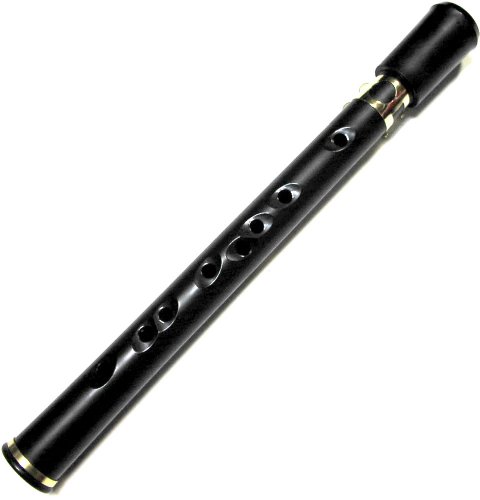
- Fits in a pocket or backpack
- Expressive, powerful sound
- Works for beginners and experienced players
Best For: Travelers who want an acoustic sax-like instrument on the go
Premium Digital Travel Performer
Yamaha YDS-150 Digital Saxophone

- Real sax mouthpiece and fingerings
- 73 preset voices and app control
- Includes soft case and accessories
Best For: Traveling players wanting a realistic digital sax with flexibility
Kid-Friendly Starter Travel Horn

- Lightweight and easy for small hands
- Waterproof ABS resin body
- Includes case and training wheel covers
Best For: Young beginners needing a durable, portable starter instrument
Travel-Ready Alto Sax Case
Lightweight Case for Eb Alto Saxophone

- Lightweight and portable for daily carry
- Water-repellent 600D nylon exterior
- Front pocket for accessories and sheet music
Best For: Alto sax players who want a lightweight daily travel case
Starter Travel Sax

- Compact design for small hands and travel
- ABS resin body is waterproof and easy to clean
- Includes carry case and training-wheel covers
Best For: Young beginners and pre-band students who need easy transport
Premium Flight Case
Crossrock Fiberglass Alto Saxophone Case

- Custom-molded fit reduces movement in transit
- Fiberglass shell adds impact resistance and waterproofing
- TSA lock and backpack straps suit flight travel
Best For: Frequent travelers who want a secure, flight-friendly alto sax case
Beginner Full-Size Starter Pick

- Easy-blowing design with light beginner-friendly key action
- Complete starter kit includes hard case, stand, strap, reeds, and more
- Warm, balanced brass tone with stable intonation
Best For: Beginner tenor players who need a full starter kit for travel between lessons and rehearsals
Ultra-Compact Practice Option

- 13-inch, under-5-oz design packs easily in a backpack
- ABS resin body resists drops, moisture, and wear
- 8-hole layout suits travel practice and finger exercises
Best For: Travelers and beginners who want a tiny practice woodwind for portable use
Quietest Travel Tech Pick
Travel Sax 2 Digital Saxophone

- Only 1 lb and fits easily in a backpack
- Silent headphone practice is ideal for travel and shared spaces
- 70+ sounds plus Bluetooth MIDI/audio for modern practice
Best For: Traveling players who need a compact, quiet sax-style practice instrument
Ultra-Portable Silent Practice Pick – Travel Sax 2 (Black)
If you want saxophones for travel, the Travel Sax 2 is built around portability and quiet practice. At just 1 lb, it is designed to fit in a backpack or saxophone case, and its built-in speaker, headphones support, and Bluetooth options make it easy to play without disturbing others.
Best For: Traveling players who want the smallest possible sax-style practice instrument with silent play options.
Pros:
- Extremely compact and lightweight at only 1 lb
- Real alto mouthpiece and sax-style fingering feel familiar
- Headphones and Bluetooth let you practice quietly
- 70+ internal voices plus instant response for expressive play
Cons:
- Digital instrument instead of a traditional acoustic saxophone
- Requires power and/or connectivity for full functionality
This is a strong pick if space, noise, and travel convenience matter more than acoustic projection. It focuses on portability first while still trying to preserve a sax-like playing experience.
Pocket-Sized Acoustic Option – Maui Xaphoon Pocket Sax
For shoppers comparing saxophones for travel, the Maui Xaphoon Pocket Sax is a true carry-everywhere option. Its pocketable size, deep sound, and simple play style make it a practical choice when you want a sax-like instrument that can go into a backpack, pocket, or even up your sleeve.
Best For: Players who want a very small, acoustic sax-like instrument they can take anywhere.
Pros:
- Very portable and easy to carry in a pocket or backpack
- Expressive and powerful sound for such a small instrument
- Good for beginners and experienced players alike
- Acoustic design needs no electronics or charging
Cons:
- Not a full-sized saxophone
- Sound and playing feel are sax-like, not identical to a standard sax
The Xaphoon stands out for sheer convenience and acoustic simplicity. It is a travel-friendly pick if you want something fun, portable, and easy to bring along without worrying about batteries or cables.
Premium Digital Travel Performer – Yamaha YDS-150 Digital Saxophone
If you are shopping for saxophones for travel and want a more full-featured digital option, the Yamaha YDS-150 is designed for playing on the go. It combines an acoustic saxophone mouthpiece and fingerings with headphone, AUX in, and micro USB connectivity, plus a dedicated app for sound and control customization.
Best For: Traveling players who want a realistic digital sax experience with strong connectivity and customization.
Pros:
- Portable digital saxophone designed for musicians on the go
- Acoustic mouthpiece and fingerings for realistic playability
- 73 preset voices for broad sound variety
- Includes a soft case, strap, mouthpiece, and synthetic reed
Cons:
- Heavier than ultra-compact travel alternatives at 7.1 pounds
- Requires power and connectivity for digital features
The YDS-150 offers a more substantial practice and performance experience than tiny travel instruments. It is a strong fit when you want realistic feel, flexible sound options, and a complete carry package.
Kid-Friendly Starter Travel Horn – Nuvo jSax Black/Blue
When choosing saxophones for travel for a young beginner, the Nuvo jSax focuses on light weight, durability, and easy handling. Its compact resin body, short-reach keys, and included carry case make it straightforward to pack for lessons, practice, or pre-band programs.
Best For: Young learners and first-time players who need a compact, easy-to-maintain starter instrument.
Pros:
- Lightweight, kid-friendly design with short-reach keys
- Durable ABS resin construction is waterproof and easy to clean
- Includes training wheel hole covers for gradual learning
- Carry case with shoulder strap makes transport simple
Cons:
- Concert C tuning may not match standard saxophone expectations
- Limited range compared with a full saxophone
This is a practical starter choice for travel when durability and ease of use matter most. It is especially useful for children who need a manageable instrument that is simple to pack and maintain.
Travel-Ready Alto Sax Case – Lightweight Case for Eb Alto Saxophone
If you’re comparing saxophones for travel accessories, this alto sax case focuses on keeping your instrument protected without adding much bulk. The 600D nylon exterior is wear-resistant and water-repellent, while the velvet-lined interior helps cushion the sax during transit. It also adds practical storage for the small items you need on the way to class, rehearsal, or a gig.
Best For: Alto sax players who want a lightweight, everyday carry case with extra pocket space.
Pros:
- Lightweight design makes it easier to carry for daily travel.
- Water-repellent 600D nylon exterior adds practical protection.
- Velvet interior helps keep the saxophone comfortable and secure.
- Front pocket and interior space hold accessories and sheet music.
Cons:
- Designed specifically for Eb alto saxophone use.
- Not a hard-shell case.
For players who need a simple, portable solution, this case balances protection, storage, and convenience well. The shoulder straps, handle, and built-in backpack straps make it easier to manage on busy travel days.
Starter Travel Sax – Nuvo jSax Beginner Saxophone
For families or beginners looking at saxophones for travel, the Nuvo jSax is a compact, lightweight option built for small hands and easy transport. Its ABS resin body is waterproof and simple to clean, and it comes with a carry case with shoulder strap for getting to lessons or pre-band programs. The design is aimed at learning, with removable training-wheel hole covers that help simplify the early stages.
Best For: Young beginners and pre-band students who need a compact, easy-to-carry practice instrument.
Pros:
- Lightweight, kid-friendly design suits young learners.
- ABS resin construction is waterproof and easy to maintain.
- Includes carry case with shoulder strap for transport.
- Training-wheel hole covers support early learning and skill progression.
Cons:
- Concert C tuning differs from a standard saxophone setup.
- Limited to a 1.5-octave range.
This is a practical choice if portability and beginner-friendly playability matter more than traditional saxophone format. The included accessories make it easier to start lessons and move the instrument around without much hassle.
Premium Flight Case – Crossrock Fiberglass Alto Saxophone Case
If your priority is serious protection in saxophones for travel, this Crossrock fiberglass case is built for tighter fit, stronger shell support, and air-travel security. The redesigned interior contour helps reduce movement, while the fiberglass shell adds impact resistance and waterproofing. A TSA-approved lock and backpack straps make it especially useful for flights, commutes, and frequent gigs.
Best For: Alto sax players who travel often and want a secure, flight-friendly hard case.
Pros:
- Custom-molded interior helps stabilize the alto saxophone in transit.
- Fiberglass shell offers improved impact resistance and waterproofing.
- TSA-approved lock adds security for domestic and international travel.
- Backpack straps and dual handles improve carrying flexibility.
Cons:
- Made specifically for alto saxophones.
- Premium protection may be more case than casual players need.
For frequent flyers or gigging players, this case leans hard into secure transport and durable construction. The plush velvet lining and accessory pocket add the finishing touches for organized, protective travel.
Beginner Full-Size Starter Pick – STRICH Bb Tenor Saxophone
If you’re comparing saxophones for travel but still want a full-size instrument, this STRICH Bb tenor saxophone leans toward a complete beginner setup rather than ultra-compact portability. It’s built for easier playability, with a smooth bore, light key action, and a starter kit that covers the basics for practice at home, school, or on the road.
Best For: Beginner players who want a full tenor sax kit with everything needed to practice while traveling between lessons, school, or band rehearsals.
Pros:
- Precise bore taper and uniform interior are designed to reduce airflow resistance for easier tone production.
- Ergonomic lever-style keys with light spring action are aimed at comfortable beginner fingering.
- Includes a hard case, sax stand, strap, mouthpiece, reeds, cleaning cloth, and gloves.
- Precision tone-hole placement and brass construction support stable intonation and a warm, balanced sound.
Cons:
- Full-size tenor saxophone is less travel-friendly than compact or electronic options.
- Accessory bundle adds convenience, but the instrument still requires carrying a larger case.
- Designed primarily for beginners, so advanced players may want a more specialized setup.
Overall, this is a practical starter tenor for students who value an all-in-one package more than minimal packing size. It makes sense if you need a dependable brass saxophone for lessons, band, and transport between practice locations.
Ultra-Compact Practice Option – Milisten Pocket Saxophone
For shoppers looking at saxophones for travel, this Milisten pocket saxophone is the most compact option in the group. Its 13-inch size, very light weight, and included carry bag make it easy to stash in a backpack for trips, dorm practice, or simple finger work on the move.
Best For: Students, hobbyists, and multi-instrumentalists who want a tiny, lightweight woodwind for portable practice and casual travel use.
Pros:
- Very compact at 13 inches and under 5 oz, so it fits easily in a backpack.
- ABS resin construction is designed to resist drops, moisture, and everyday wear.
- 8-hole layout supports breath control and woodwind technique practice.
- Includes a velvet drawstring pouch and mouthpiece cap for transport protection.
Cons:
- Plastic construction is simpler than a traditional brass saxophone.
- Limited 8-hole design is more of a practice or novelty instrument than a full sax replacement.
- Sound profile is intended for casual use, not full performance settings.
This is the easiest option to pack and carry, especially if your main goal is lightweight practice rather than authentic saxophone performance. It works best as a travel-friendly musical tool for quick sessions and finger exercises.
Quietest Travel Tech Pick – Travel Sax 2 Digital Saxophone
If your search for saxophones for travel is really about practicing anywhere without noise, the Travel Sax 2 is the most travel-ready choice here. At only 1 lb, it fits in a backpack, offers silent headphone practice, and uses a real alto mouthpiece with sax-style fingering so the transition from acoustic playing feels familiar.
Best For: Traveling players who want silent practice, Bluetooth connectivity, and a compact sax-style instrument for daily use on the go.
Pros:
- Super compact and light at just 1 lb for easy packing.
- Silent practice via headphones makes it suitable for hotels, shared spaces, and late-night sessions.
- 70+ built-in sounds with zero-latency response expand practice and creative options.
- Bluetooth MIDI/audio, USB-C, and included accessories support modern practice and setup flexibility.
Cons:
- As a digital instrument, it won’t replace the feel or acoustic projection of a brass saxophone.
- Requires power and electronics rather than functioning as a purely acoustic travel instrument.
- Best suited to practice and composition, not traditional acoustic performance.
Among travel-focused sax choices, this is the strongest match for portability plus quiet practice. It’s especially compelling if you need a real-feeling fingering layout in a compact, modern instrument that works well in tight spaces.
How We Picked These Saxophones for Travel
We prioritized compact size, packability, weight, playing convenience, and how well each option supports real-world travel use. That means looking at instruments that are easier to carry, quieter for hotels or shared spaces, or better suited to frequent transport in a case or bag.
We also considered whether each pick makes sense for beginners, commuters, students, and experienced players who want a lower-friction way to keep practicing away from home.
Quick Comparison: What Each Type Does Best
Digital sax-style instruments are best for silent practice and airline-friendly packing. Pocket and mini saxophones are best for ultra-portable playing when you want something small and simple. Full-size saxophones with travel cases are best for players who still want standard instrument feel but need safer transport. If you already own a sax, a better case may be the most practical upgrade.
Key Buying Factors for Saxophones for Travel
Size and Weight
Measure not just the instrument, but the total carry setup: case, strap, reeds, power supply, and accessories. Smaller does not always mean easier if the mouthpiece or case is awkward to pack.
Noise Level
If you plan to practice in hotels, dorms, or shared homes, low-volume or headphone-friendly options matter more than traditional acoustic output.
Durability and Protection
Travel can be hard on keys, pads, and alignment. Strong cases with secure interiors, reinforced shells, or backpack straps are a major advantage for Saxophones for Travel.
Playability and Feel
Some compact instruments are designed for convenience first, while others are closer to a standard sax experience. Choose based on whether you want easy practice, a familiar embouchure, or a true performance instrument.
Power, Setup, and Accessories
Digital models may need batteries, charging, or speakers/headphones. Acoustic models may require reeds, cleaning supplies, and more careful packing. Simpler setups are usually better for frequent trips.
Who Should Buy Which Saxophones for Travel?
Choose a digital or silent practice model if you need discreet practice on the road. Choose a pocket sax or mini woodwind if maximum portability matters most. Choose a full-size student tenor or alto setup if you want a real acoustic playing experience and can handle a larger case. And if you already own an instrument, a rugged travel case may be the smartest purchase of all.
For most buyers, the best option is the one that matches the travel environment first and the playing experience second. That keeps your setup practical, protected, and actually usable away from home.