If your bass sounds muddy, boomy, or is rattling the room more than it should, the right isolation solution can make a noticeable difference. Subwoofer isolation pads help decouple low-frequency energy from floors, stands, and furniture so your system sounds tighter and more controlled.
Below, we’ve rounded up 10 of the best options for home theaters, studios, turntables, and compact listening setups, with choices for different sizes, budgets, and mounting styles.
Best 10 Subwoofer Isolation Pads Picks for 2026
Best for Heavy Subwoofers
IsoAcoustics Iso-200Sub Isolation Stand
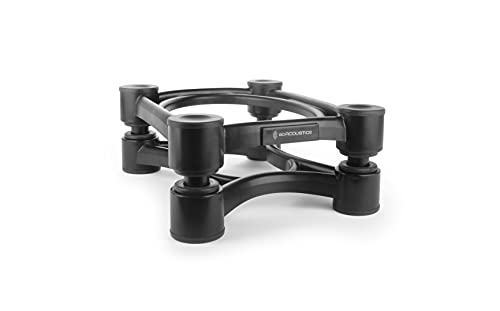
- Purpose-built isolation for subwoofers
- Supports up to 75 lbs per stand
- Helps reduce vibration transfer and room noise
Best For: Home theater or music systems with heavier subwoofers that need stronger vibration control.
Best for Easy Installation
Hudson Hi-Fi 8-Pack Silicone Isolation Feet

- Platinum silicone helps reduce vibration and resonance
- 3M adhesive backing simplifies installation
- Non-slip, low-profile pads suit speakers and subwoofers
Best For: Buyers who want a quick, low-profile isolation upgrade for speakers, subwoofers, or turntables.
Most Stable Under Heavy Loads
Pyle PSI06 Speaker Isolation Pads

- Dense foam helps cut bass vibration and recoil
- Rubber base and steel top plate improve stability
- 55.8 lb capacity works for many powered subwoofers
Best For: Home theater and studio buyers who want a sturdy isolation platform for heavier speakers.
Best for Lightweight Audio Gear

- Soft silicone helps reduce surface-borne vibration.
- Adhesive backing prevents slipping and shifting.
- Best matched to light components, not heavy subs.
Best For: Listeners with bookshelf speakers, turntables, and compact audio gear that need simple vibration control.
Best for Heavy-Limit Setups

- Thick foam reduces low-frequency vibration and buzz
- Steel top plate and rubber base add stability
- 44.6 lb capacity works for many powered subs
Best For: Home theater or studio buyers needing an affordable isolation pad for compact to midweight subwoofers and monitors.
Best for Small Components

- Reduces vibration for cleaner, tighter audio.
- Easy adhesive setup with no tools needed.
- Great for lightweight speakers, turntables, and compact subs.
Best For: Small to mid-size audio gear owners who want a quick vibration-damping upgrade.
Best for 8–10 Inch Monitors
2-Pack 3-Layer Acoustic Isolation Pads

- Fits most 8" to 10" monitors and compact subs
- 3-layer foam/fiberboard design helps cut vibration
- Two pads support a simple stereo setup
Best For: Owners of 8-inch to 10-inch speakers or small subs who want basic vibration control.
Best for Heavy Bass Gear

- 2-inch thick design for stronger vibration damping
- Anti-slip footing helps keep gear from shifting
- Suitable for subwoofers, turntables, and drum kits
Best For: Bass-heavy setups that need simple vibration control and added stability.
Best Value 2-Pack
8–10 Inch Studio Monitor Isolation Pads

- 3-layer design reduces vibration and resonance
- Sized for many 8–10 inch monitors and compact subs
- 2-pack is a practical value for dual-speaker setups
Best For: Budget-conscious buyers who want vibration control for monitors or small subwoofers.
Best Simple Pick

- 3-layer foam reduces vibration transfer
- Sized for 8–10 inch monitors and compact subwoofers
- 2-pack with non-slip base for stable placement
Best For: 8–10 inch speaker owners who want cleaner sound and steadier desk placement.
Best for Heavy Subwoofers – IsoAcoustics Iso-200Sub Isolation Stand
If you want subwoofer isolation pads that do more than just dampen a little vibration, the IsoAcoustics Iso-200Sub is built for serious bass control. Its patented isolation design helps reduce energy transfer into the floor or cabinet, which can tighten low-end response and cut down on rattles in nearby rooms.
Best For: Home theater or music listeners with larger subwoofers who want a more controlled, cleaner bass presentation.
Pros:
- Designed specifically for subwoofers, not just generic speaker isolation.
- Rated to support up to 75 lbs and can be paired for larger subs.
- Helps reduce vibration transfer and unwanted room resonance.
- Compact footprint fits neatly under many common subwoofer sizes.
Cons:
- Single stand included, so some larger setups may need more than one.
- Costs more than basic foam or rubber isolation pads.
- Best results depend on matching the stand to your subwoofer size and weight.
For buyers comparing subwoofer isolation pads, this stand stands out because it focuses on measurable isolation rather than simple cushioning. It is a stronger pick if you want a purpose-built solution that can improve clarity, reduce floor-borne vibration, and make bass feel more controlled.
Best for Easy Installation – Hudson Hi-Fi 8-Pack Silicone Isolation Feet
If you want subwoofer isolation pads that are simple to install and focused on reducing unwanted rumble, these Hudson Hi-Fi silicone feet are a practical pick. The 0.75-inch pads use 3M adhesive for quick placement and are designed to help tame vibration, resonance, and micro-movement in speakers, subwoofers, and other audio gear.
Best For: Buyers who want a no-fuss isolation upgrade for speakers, subwoofers, or turntables without bulky stands or complicated hardware.
Pros:
- Platinum silicone build helps absorb vibration and resonance
- 3M peel-and-stick backing makes setup fast and easy
- Non-slip design helps keep gear stable on shelves and cabinets
- Durable material resists residue and won’t deteriorate like some alternatives
Cons:
- Weight capacity per pad may not suit very heavy subs or amps
- Adhesive mounting is less flexible than removable isolation solutions
- Small foot size may be less effective for larger cabinet footprints
For compact systems and lightweight-to-midweight components, these subwoofer isolation pads offer a straightforward way to improve stability and cut down on vibration transfer. They’re especially appealing if you value easy setup and a clean, low-profile look.
Most Stable Under Heavy Loads – Pyle PSI06 Speaker Isolation Pads
If you need subwoofer isolation pads that can help tame vibration without complicating your setup, the Pyle PSI06 is a straightforward option. Its dense foam build, rubber base, and steel top plate are aimed at reducing low-frequency rumble, recoil, and desk or floor buzz in studios, home theaters, and listening rooms.
Best For: Buyers who want a sturdy isolation platform for powered subwoofers, studio monitors, or loudspeakers in medium-size setups.
Pros:
- High-density foam helps absorb bass vibration and speaker recoil
- Anti-slip rubber base and steel top plate add stability
- 55.8 lb load capacity suits many active subwoofers and monitors
- Universal dimensions work with a wide range of speaker types
Cons:
- Single-platform design may not fit extra-large subwoofers
- Not adjustable, so fit depends on your speaker footprint
- Foam style is better for damping than for dramatic decoupling
For shoppers comparing subwoofer isolation pads, the Pyle PSI06 stands out for its mix of load support, grip, and simple vibration control. It is a practical pick if you want a no-fuss platform that can tighten bass response and reduce unwanted resonance.
Best for Lightweight Audio Gear – Hudson Hi-Fi Isolation Feet
If you need subwoofer isolation pads for compact audio gear, these Hudson Hi-Fi silicone feet are a simple way to cut down on unwanted vibration and surface resonance. They’re especially useful for smaller components that benefit from a steadier base and a cleaner listening setup.
Best For: Bookshelf speakers, turntables, DACs, streamers, and other lightweight hi-fi components that need basic vibration control.
Pros:
- Soft 20-durometer silicone helps absorb vibration effectively.
- Self-adhesive, non-skid design keeps components in place.
- Each pad supports roughly 5-13 lbs, ideal for lighter gear.
Cons:
- Not designed for heavy subwoofers or large floorstanding speakers.
- Adhesive installation is semi-permanent once applied.
- 1-inch size may be too small for some wider equipment bases.
As subwoofer isolation pads, these are better suited to compact audio accessories than big bass cabinets, but they do a solid job for reducing vibration in smaller home audio setups. If your priority is easy placement and modest isolation rather than heavy-duty decoupling, they’re a practical pick.
Best for Heavy-Limit Setups – Pyle Speaker Isolation Pads
If you want affordable subwoofer isolation pads that help tame floor rumble and tighten low-end response, the Pyle PSIO4 is a practical pick. Its thick foam build, steel top plate, and anti-slip base are designed to reduce vibration transfer in home theaters, studios, and music rooms.
Best For: Home theater or studio buyers who need a low-cost isolation solution for compact to midweight subwoofers and speakers.
Pros:
- Thick foam helps absorb low-frequency vibration and reduce buzz.
- Anti-slip rubber base and steel top plate improve stability.
- 44.6 lb load capacity suits many powered subwoofers and monitors.
Cons:
- Size and weight limit use with larger or heavier subs.
- Foam isolation may not match the precision of pricier acoustic platforms.
For buyers comparing subwoofer isolation pads on a budget, this Pyle platform offers a solid mix of vibration control, grip, and load support. It’s a straightforward way to clean up bass without adding much complexity to your setup.
Best for Small Components – Hudson Hi-Fi Isolation Feet
If you want a simple, affordable way to tighten up bass and cut unwanted vibration, these subwoofer isolation pads are a solid fit for small to mid-size audio gear. The adhesive silicone design makes installation quick, while the 5–18 lb per-pad rating helps support turntables, speakers, and compact subwoofers with less resonance transfer.
Best For: Buyers who want an easy stick-on solution for reducing vibration on lightweight speakers, turntables, amplifiers, and compact subs.
Pros:
- Helps reduce vibration and bass smear for cleaner sound.
- Simple adhesive setup with no tools required.
- Works across multiple gear types, including speakers and turntables.
- Soft silicone construction is designed to protect surfaces from scratches.
Cons:
- Not ideal for heavy subwoofers or larger components.
- Adhesive mounting is less flexible than adjustable isolation feet.
Overall, these are practical subwoofer isolation pads for listeners who want an easy upgrade without overcomplicating setup. They’re most compelling for compact systems where reducing vibration can make a noticeable difference in clarity and bass control.
Best for 8–10 Inch Monitors – 2-Pack 3-Layer Acoustic Isolation Pads
If you want a simple way to tame desk-borne rumble, these subwoofer isolation pads give 8- to 10-inch speakers and compact subs a steadier platform. The 3-layer foam and fiberboard design helps reduce vibration transfer, which can improve clarity in home studios, apartments, and desktop setups.
Best For: Buyers with 8-inch to 10-inch studio monitors or small subwoofers who want an affordable anti-vibration riser for tighter bass and cleaner sound.
Pros:
- Sized for most 8″ to 10″ studio monitors and compact subwoofers
- 3-layer design helps absorb vibration and reduce desk resonance
- Non-slip base keeps speakers more stable during use
- Two-pack is handy for a stereo monitor setup
Cons:
- May be too small for larger subwoofers or heavier speaker cabinets
- Foam construction won’t isolate as much as more expensive dedicated stands
- Fixed size limits placement flexibility for unusual speaker shapes
For straightforward desktop isolation, these subwoofer isolation pads are a practical pick: they prioritize vibration control, simple setup, and broad compatibility over premium adjustability.
Best for Heavy Bass Gear – 2-Inch Isolation Pads
If you need subwoofer isolation pads that do more than just sit under an audio system, this 2-inch thick set is built to help tame bass vibration, reduce floor rumble, and keep components from walking around during louder playback. It’s a practical add-on for turntables, subwoofers, and drum kits where stability matters.
Best For: Bass-heavy setups, turntables that skip from vibration, and anyone wanting a simple anti-slip pad for audio equipment.
Pros:
- Thick 2-inch design helps absorb vibration from powerful low frequencies
- Anti-slip construction can improve stability for sensitive gear
- Works across multiple uses, including subwoofers, turntables, and drums
Cons:
- Bulkier than thinner pads, so it may not suit low-clearance setups
- May be more isolation than needed for smaller desktop audio systems
For buyers comparing subwoofer isolation pads, this model stands out for its thicker profile and broad compatibility. It’s a straightforward choice if your main goal is to cut vibration transfer and keep bass gear planted without overcomplicating the setup.
Best Value 2-Pack – 8–10 Inch Studio Monitor Isolation Pads
If you want a simple way to tame desk rumble and tighten up playback, these subwoofer isolation pads offer a practical 2-pack solution for monitors, bookshelves, and compact subs. The three-layer build is designed to reduce vibration transfer, improve stability, and keep your audio cleaner in small studios, gaming setups, and home listening spaces.
Best For: Music producers, gamers, and home audio users who want affordable vibration control for 8–10 inch speakers or small subwoofers.
Pros:
- 3-layer construction helps absorb vibration and reduce resonance
- Large 15.7 × 13 inch size suits many 8–10 inch speakers and compact subs
- 2-pack format works well for paired monitor setups
- Anti-slip base helps keep speakers securely in place
Cons:
- Not ideal for larger subwoofers beyond the listed size range
- Foam-style design may not isolate as aggressively as heavier stands
- Single-color, utilitarian look may not appeal to every setup
For buyers focused on value and everyday performance, these subwoofer isolation pads deliver a straightforward upgrade without taking much space. They make the most sense for setups where reducing surface vibration and improving clarity matter more than buying a bulky stand.
Best Simple Pick – Studio Monitor Isolation Pads
If you want a simple way to tighten up bass and reduce desk buzz, these subwoofer isolation pads offer a practical 3-layer foam design that separates your speakers from the surface underneath. They’re sized for larger 8–10 inch studio monitors and compact subwoofers, making them a solid pick for home studios, apartments, and desktop setups.
Best For: Buyers with 8–10 inch speakers who want cleaner sound and less vibration transfer without a complicated install.
Pros:
- 3-layer acoustic damping helps cut vibration and improve sound clarity
- Fits most 8, 8.5, 9, and 10 inch monitors plus compact subwoofers
- Non-slip fiber base helps keep speakers stable on desks and stands
- 2-pack value covers a full stereo setup
Cons:
- Large size may be too big for smaller speakers or cramped desks
- Not adjustable, so fit depends on your speaker footprint
Overall, these subwoofer isolation pads make sense if you need a straightforward upgrade for bigger desktop speakers and want better isolation without spending on a more advanced stand solution.
How We Picked These Subwoofer Isolation Pads
We focused on products that address the main job of Subwoofer Isolation Pads: reducing vibration transfer while keeping the subwoofer stable. That means looking at material quality, load support, footprint, grip, and whether the design suits heavier subs or lighter desktop and studio setups.
We also considered real-world usability, including installation, durability, compatibility with different cabinet sizes, and whether the product is better for floors, shelves, or stands.
Quick Comparison: Which Type Fits Your Setup?
Not every isolation solution works the same way. Foam platforms are usually better for larger cabinets and general floor placement. Silicone feet are a strong choice when you want a low-profile, easy-to-install upgrade with good grip. Riser-style platforms can offer more surface area and stability, which helps with bigger subwoofers or shared studio furniture.
If you’re trying to tame bass bleed in an apartment, home theater, or recording space, the best choice depends on weight, size, and how much vibration your floor or desk can handle.
Key Buying Factors for Subwoofer Isolation Pads
Weight Capacity and Size
Start with the subwoofer’s dimensions and weight. Isolation pads must support the cabinet evenly; otherwise, performance and stability can suffer. Oversized platforms can be helpful for bulky enclosures, while smaller adhesive feet are better for compact units.
Material and Damping Performance
Foam, silicone, and hybrid designs each behave differently. Foam often absorbs energy well, silicone can provide strong anti-slip control, and layered constructions may balance support with damping. The right material depends on whether your main issue is floor vibration, cabinet resonance, or both.
Placement and Surface Type
Hardwood, tile, carpet, and shelves all interact differently with bass energy. If your sub sits on a slick surface, grip matters. If it’s on a resonant stand or desk, height and decoupling are especially important.
Stability Vs. Isolation
Better isolation should not come at the cost of wobble. The best Subwoofer Isolation Pads reduce movement without making the sub feel unstable during louder playback.
Who Should Buy Which Subwoofer Isolation Pads?
Choose foam platforms if you want a simple all-around solution for a medium or large subwoofer. Pick silicone feet if you need a low-profile upgrade for a lighter cabinet, amplifier, or turntable-adjacent setup. Go with a heavier platform or stand if your priority is maximum stability and better control over vibration on floors or shared furniture.
If you’re unsure, match the product to the subwoofer’s size and the severity of your vibration issue. For most buyers, the best result comes from choosing the most stable option that still provides enough decoupling for the room.