The best wireless drawing tablets give artists more freedom to sketch, edit, annotate, and teach without being tied to a USB cable. The right choice depends on your preferred working size, stylus feel, shortcut controls, and whether you use a computer or Android device.
We compared 10 wireless models ranging from compact beginner tablets to larger professional options, focusing on connection flexibility, pressure sensitivity, portability, software support, and everyday drawing comfort.
Best 10 Wireless Drawing Tablets Picks for 2026
Professional Pick
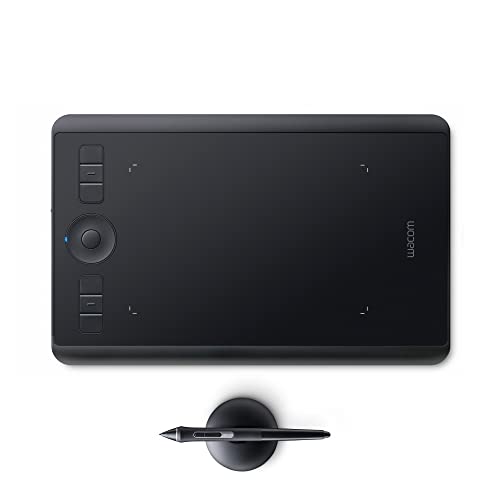
- Pro Pen 2 with tilt and 8192 pressure levels
- Six ExpressKeys, Touch Ring, and touch gestures
- Bluetooth or USB connection for Mac and Windows
Best For: Creative professionals needing precise control and customizable shortcuts
Most Versatile

- 10 x 6.25-inch work area with Bluetooth and USB-C
- Supports computers plus Android, iPhone, and iPad apps
- Up to 24 hours of battery life and 8192 pressure levels
Best For: Portable, cross-device drawing and note-taking
Beginner-Friendly Choice

- Compact Bluetooth tablet with battery-free pen
- Four ExpressKeys and Mac, Windows, Chromebook support
- Includes access to creative software and training
Best For: Students, teachers, and first-time digital artists
Shortcut-Key Standout

- Bluetooth 5.0 with battery-free X3 stylus
- Eight customizable shortcut keys
- Supports Windows, Mac, Android, Chrome OS, and Linux
Best For: Artists who want extensive physical shortcuts and broad compatibility
Best Overall

- Battery-free pen with 4,096 pressure levels
- Bluetooth and USB-A connectivity
- Software and training included
Best For: Students, teachers, and everyday creative work
Best Compact Option
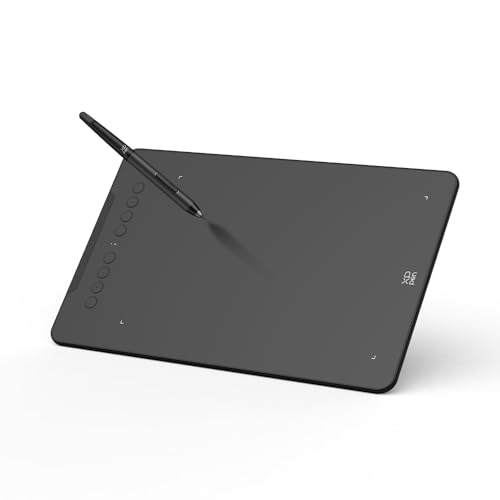
- Bluetooth 5.0 with up to 13 hours of use
- Supports major desktop and mobile platforms
- Eight shortcut keys and Android mapping
Best For: Portable creation, mobile art, and online teaching
Best for Professionals

- Pro Pen 3 with 8,192 pressure levels
- Ten ExpressKeys and two mechanical dials
- Bluetooth and USB connectivity
Best For: Professional animation, design, photo, video, and 3D work
Best Wireless Compact Pick
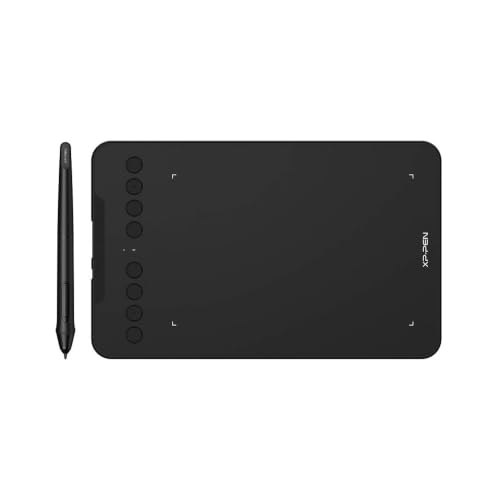
- Bluetooth 5.0 and USB connectivity
- Battery-free pen with 16,384 pressure levels
- Eight customizable shortcut keys
Best For: Compact creative setups, online teaching, and Android-compatible drawing
Best Standalone Wireless Pick

- Android 14 tablet with 8GB RAM and 128GB storage
- 11.45-inch matte, paper-like display
- Includes battery-free Pro Pen 3
Best For: Portable, computer-free drawing, sketching, and note-taking
Best Wireless Starter Pick

- Bluetooth and USB-C connectivity
- Battery-free pen with tilt recognition
- 8.5-by-5.3-inch active drawing area
Best For: Beginners, students, office work, and multi-platform creative use
Professional Pick – Wacom Intuos Pro Small
For creative professionals seeking wireless drawing tablets, the Wacom Intuos Pro Small combines Bluetooth connectivity with a compact workspace and extensive shortcut controls. Its battery-free Pro Pen 2 supports tilt recognition, virtually lag-free tracking, and 8192 levels of pressure sensitivity.
Best For: Graphic designers, illustrators, and image editors who want customizable controls in a compact professional tablet.
Pros:
- Bluetooth or USB connectivity for Mac and Windows PCs
- Pro Pen 2 offers tilt recognition and 8192 pressure levels
- Six ExpressKeys, Touch Ring, touch gestures, and pen switches support efficient workflows
- Includes replacement nibs, pen stand, and battery-free stylus
Cons:
- Its active surface is compact at 6.30 x 3.94 inches
- The feature-rich control layout may be more than casual users need
The Intuos Pro Small is a strong choice when precision and shortcut customization matter more than a large drawing area. Bluetooth support also helps keep a desk setup tidy.
Most Versatile – HUION Inspiroy Frego Medium
The HUION Inspiroy Frego is a flexible wireless drawing tablet with a 10 x 6.25-inch work area, Bluetooth connectivity, and support for computers and mobile devices. Its minimalist surface omits physical shortcut keys, while the included stylus provides programmable side controls.
Best For: Artists who want a roomy, portable tablet that can connect to Windows, macOS, Android, iPhone, or iPad through supported apps.
Pros:
- Bluetooth and USB-C connectivity
- Battery provides up to 24 hours of use after a 2.5-hour charge
- Battery-free stylus offers 8192 pressure levels and 60-degree tilt support
- Symmetrical, ergonomic design includes a wrist rest and built-in pen holder
Cons:
- No physical shortcut keys on the tablet surface
- Bluetooth compatibility varies by operating system, with Windows 10 or later 64-bit required
With mobile support, long battery life, and a larger active area, the Frego is appealing for artists who move between devices. Its clean surface suits users who prefer software shortcuts or stylus buttons.
Beginner-Friendly Choice – Wacom Intuos Small
The Wacom Intuos Small is a compact option among wireless drawing tablets, offering Bluetooth or USB-A connectivity and a battery-free pressure-sensitive pen. It works with creative software as well as applications for photo editing, online education, writing, and note-taking.
Best For: Students, teachers, and new digital artists who want a compact wireless tablet with included software and training resources.
Pros:
- Battery-free pen uses Wacom EMR technology
- Bluetooth and USB-A connectivity support flexible placement
- Four ExpressKeys provide customizable shortcuts
- Compatible with Mac, Windows, and Chromebook
Cons:
- Smaller 6 x 3.7-inch active area limits drawing room
- Its pen has 4096 pressure levels, fewer than the other Wacom model listed here
The Intuos Small keeps the setup straightforward and portable while adding useful shortcut keys and software access. It is particularly practical for learners or casual creators who do not need a large work surface.
Shortcut-Key Standout – XP-Pen Deco MW
The XP-Pen Deco MW adds practical wireless flexibility to a medium-size drawing surface. Its Bluetooth 5.0 connection, battery-free X3 stylus, and eight customizable shortcut keys make it a useful choice for users who want quick access to frequent commands.
Best For: Digital artists and designers who prioritize many physical shortcut keys and broad operating-system compatibility.
Pros:
- Bluetooth 5.0 enables cable-free use
- X3 stylus provides 8192 pressure levels and 60-degree tilt support
- Eight customizable shortcut keys include tactile identification bumps
- Works with Windows, Mac, Android, Chrome OS, and Linux
Cons:
- The active area is 8 x 5 inches, smaller than the HUION Frego’s listed work area
- Some included software is available after product registration
The Deco MW balances portability with a generous shortcut layout and wide compatibility. It is a compelling fit for users who would rather rely on dedicated tablet keys than keyboard commands.
Best Overall – Wacom Intuos Medium
The Wacom Intuos Medium is a well-rounded choice among wireless drawing tablets for creators who want a familiar pen-on-paper feel, a comfortable medium-size workspace, and broad software compatibility. Its battery-free pen, Bluetooth connection, and four shortcut keys make it practical for drawing, photo editing, design, and digital note-taking.
Best For: Students, teachers, and general creative work on Mac, Windows, or Chromebook.
Pros:
- Battery-free EMR pen with 4,096 pressure levels
- Bluetooth or USB-A connectivity for flexible setup
- Includes access to creative software and Wacom online training
- Four ExpressKeys provide convenient shortcuts
Cons:
- Works with Windows, macOS, and Chromebook, but the listed operating-system compatibility is narrower than some competing models
- Includes a one-year warranty
Choose the Intuos Medium if you want dependable Wacom pen technology and a straightforward wireless workflow without moving into the brand’s professional Pro line.
Best Compact Option – XP-Pen Deco mini7W V2
The XP-Pen Deco mini7W V2 is a compact wireless drawing tablet designed for portable creative work and mobile use. Bluetooth 5.0, an adjustable Android mapping app, eight shortcut keys, and a battery-free stylus make it a versatile option for illustration, photo editing, online teaching, and digital notes.
Best For: Beginners, mobile creators, students, and users who need wide device compatibility.
Pros:
- Supports Windows, macOS, Android, ChromeOS, and Linux
- Bluetooth 5.0 provides cable-free use with up to 13 hours of battery life
- Offers 16,384 pressure levels and 60-degree tilt support
- Eight customizable shortcut keys improve workflow efficiency
Cons:
- Its 7-by-4.37-inch format provides less drawing room than medium tablets
- iOS support is limited to ibis Paint
- The stylus is listed with conflicting pressure-sensitivity figures in the supplied specifications
The Deco mini7W V2 stands out when portability, operating-system flexibility, and mobile mapping matter more than having a large active surface.
Best for Professionals – Wacom Intuos Pro Medium
The Wacom Intuos Pro Medium is a premium wireless drawing tablet for demanding animation, design, photo, video, and 3D workflows. Its customizable Pro Pen 3, 10 ExpressKeys, and two mechanical dials are built for creators who want precise control and quick access to frequently used commands.
Best For: Professional artists, animators, designers, and other creative users working on Mac or PC.
Pros:
- Pro Pen 3 offers 8,192 pressure levels, tilt support, and lag-free tracking
- Ten ExpressKeys and two mechanical dials support efficient shortcut control
- Bluetooth and USB connectivity allow flexible desk setups
- Includes adjustable grip, balance weight, and button-cover options
Cons:
- Mac compatibility requires macOS 13 or later, while Windows requires Windows 10 or later
- Its professional feature set may be more than casual users need
If precision, customization, and shortcut access are priorities, the Intuos Pro Medium is the strongest fit here, though its professional design is best justified by a serious creative workflow.
Best Wireless Compact Pick – XP-Pen Deco mini7W
The XP-Pen Deco mini7W is a compact choice for shoppers seeking wireless drawing tablets for illustration, online teaching, photo editing, or general digital work. It offers Bluetooth 5.0 and USB connectivity, a battery-free stylus, and broad compatibility with computers, Android devices, ChromeOS, and Linux.
Best For: Mobile-friendly creative work, online education, and users who want customizable shortcuts in a compact tablet.
Pros:
- Supports both Bluetooth 5.0 wireless and wired USB connections.
- Battery-free pen provides 16,384 pressure levels and 60-degree tilt support.
- Eight customizable press keys can streamline creative workflows.
- Works with Windows, Mac, Android, ChromeOS, and Linux.
Cons:
- The 7-inch active area is more compact than larger drawing tablets.
- It requires a compatible computer or mobile device rather than functioning as a standalone tablet.
Choose the Deco mini7W if portability, flexible connectivity, and shortcut controls matter more than having an integrated display. Its battery-free pen and wide operating-system support make it a versatile entry point for wireless drawing.
Best Standalone Wireless Pick – Wacom MovinkPad 11
The Wacom MovinkPad 11 stands apart from conventional wireless drawing tablets because it is an Android 14 all-in-one device that does not need a computer. Its 11.45-inch matte display, included Pro Pen 3, and built-in storage make it suited to sketching and note-taking on the go.
Best For: Artists and students who want a portable standalone drawing tablet with an integrated screen and creative apps.
Pros:
- Standalone Android 14 design with 8GB of memory and 128GB of storage.
- Matte etched glass provides a paper-like drawing surface while reducing glare and fingerprints.
- Battery-free Pro Pen 3 includes 8,192 pressure levels, three buttons, and replacement nibs.
- Lightweight 1.3-pound design fits easily into a bag or backpack.
Cons:
- Its Android-based all-in-one design differs from a traditional computer-connected graphics tablet.
- The listed Bluetooth connectivity may not suit shoppers specifically seeking wired USB tablet operation.
The MovinkPad 11 is the strongest fit when screen-based drawing and independence from a computer are priorities. Its portable build and textured display make it especially practical for sketching, writing, and creative work away from a desk.
Best Wireless Starter Pick – Wacom One Medium
The Wacom One Medium is a beginner-focused option among wireless drawing tablets, combining a battery-free pen with Bluetooth and USB connectivity. Its 8.5-by-5.3-inch active area provides room for drawing, photo editing, teaching, and visual communication while remaining relatively compact.
Best For: Students, first-time digital artists, and office users who want a straightforward multi-platform tablet.
Pros:
- Battery-free pen offers tilt recognition, low-lag tracking, and 4,096 pressure levels.
- Pen includes two customizable switches for shortcuts such as undo or copy/paste.
- Compatible with Windows, Mac, Chromebook, and Android devices.
- Supports both Bluetooth and USB-C connectivity.
Cons:
- The pen has fewer pressure levels than the XP-Pen Deco mini7W and Wacom MovinkPad 11.
- It is a regular graphics tablet without an integrated drawing display.
- Some devices may require the included or an additional USB-A adapter setup.
The Wacom One Medium is a sensible starting point for users who want dependable pen input without paying for a screen-based tablet. Its familiar pen-on-paper feel, shortcut switches, and broad compatibility support everyday creative and productivity tasks.
How We Picked the Best Wireless Drawing Tablets
We selected these Wireless Drawing Tablets across several use cases rather than treating one model as ideal for everyone. Our comparison considers Bluetooth or other wireless connectivity, active drawing area, pen technology, pressure sensitivity, shortcut controls, compatibility, portability, and the software included with each tablet. We also included both compact options for travel and larger models that provide more room for detailed illustration, photo editing, and design work.
Because specifications can vary by operating system and software, check the manufacturer’s current compatibility information before buying. Battery-free pens are especially convenient for regular use, while rechargeable tablet batteries and wireless accessories may affect how often you need to charge.
Quick Comparison
- Best for professional control: Wacom Intuos Pro models offer advanced pen features and tactile shortcut controls.
- Best for beginners: Wacom Intuos and Wacom One models combine approachable designs with bundled software.
- Best value for wireless portability: XPPen Deco and HUION Inspiroy models provide generous working areas and shortcut keys at competitive prices.
- Best compact travel option: XPPen Deco mini7W models are easier to carry while retaining wireless functionality.
- Best standalone-style option: Wacom MovinkPad 11 is designed for Android-based mobile drawing rather than only serving as a computer input pad.
Key Buying Factors for Wireless Drawing Tablets
Active Area and Overall Size
A larger active area gives your strokes more room and can feel more natural for illustration, but it also takes up more desk space. Small tablets suit travel, limited workspaces, and simple editing. Medium models are often the most balanced choice for general creative work.
Stylus Feel and Pressure Sensitivity
Pressure sensitivity affects line weight and brush response. Look beyond the quoted level count: pen latency, tilt support, nib feel, and how well your preferred drawing software interprets pressure can matter just as much. Battery-free pens reduce maintenance and avoid interruptions.
Wireless Connection and Compatibility
Confirm that the tablet supports your computer, phone, or operating system before purchasing. Bluetooth is convenient for a clean desk, while a wired connection can be useful when charging or when maximum reliability matters. Also check whether shortcut keys and bundled software work on your platform.
Controls, Battery, and Portability
Shortcut keys can speed up zooming, undoing, changing brush size, and switching tools. If you plan to work away from a desk, compare tablet dimensions, wireless battery life, charging requirements, and whether the pen stores securely.
Who Should Buy Which Wireless Drawing Tablets?
Beginners and students should prioritize easy setup, a comfortable medium or small surface, reliable software support, and a pen that requires little maintenance. Digital artists and designers may prefer a larger active area, more programmable controls, and advanced pen features. Traveling creators should choose a compact wireless model with dependable Bluetooth and a manageable charging routine. Professional users should focus on long-session comfort, driver stability, shortcut customization, and the working area that best matches their monitor setup. If you want to draw without depending on a computer, consider the Android-focused Wacom option instead of a conventional graphics tablet.