Clear speech, controlled vocals, and a balanced worship mix depend on consistent dynamics. The best audio compressors for church sound systems help prevent sudden volume spikes while keeping sermons, singers, and instruments present and intelligible.
This roundup compares 10 options, from affordable dual-channel processors and mixer-based compression to premium studio-grade hardware and integrated DSP systems. Use the guide below to match features, installation needs, and budget to your church’s audio workflow.
Best 10 Audio Compressors for Church Sound Systems Picks for 2026
Best Rack Compressor
Behringer Composer Pro-XL MDX2600

- Two-channel compressor, limiter, and gate
- Portable 1U-style rack design
- Includes a two-year warranty
Best For: Dedicated dynamics processing in church racks
Best Mixer With Compression

- 12 inputs with one-knob compressors
- USB interface and SPX effects
- D-PRE preamps with EQ and filters
Best For: Churches wanting mixer-based compression
Best Flexible Dynamics Processor
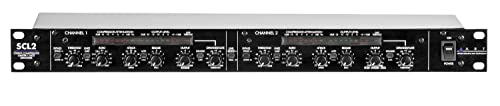
- Dual-channel or linked-stereo operation
- Compression, limiting, expansion, and gating
- Balanced XLR and TRS connectivity
Best For: Flexible analog church signal processing
Best All-in-One Powered Mixer

- 12-channel mixer with 500-watt stereo power
- Built-in one-knob compressors
- Effects and FBQ feedback detection included
Best For: Compact amplified church sound systems
Versatile Dual-Channel Pick

- Dual-channel compression and limiting
- Built-in noise gate and sidechain insert
- XLR/TRS connectivity for mixer and PA integration
Best For: Churches managing vocals, instruments, live sound, and streaming
Multi-Zone Church Audio Hub

- Routes eight inputs to eight outputs
- Includes compression, limiting, and feedback elimination
- Supports presets, phantom power, and remote control
Best For: Multi-room churches and installed audio systems
Classic Vocal Channel

- Single-channel ’76-style compression
- Fully discrete signal path with CineMag transformers
- Includes the classic “all buttons in” mode
Best For: A dedicated lead-vocal or priority mono channel
Flexible Live Control
Dual-Channel Rackmount Compressor

- OverEasy compression with auto attack/release
- Built-in noise gate and LED monitoring
- XLR/TRS I/O with sidechain input
Best For: Churches needing flexible vocal and instrument dynamics control
Vintage Signal Character
Heritage Audio HA-609A Compressor

- Two-channel British-spec compressor/limiter
- Transformer-balanced design
- Class A signal path with fast settings
Best For: Church audio teams seeking vintage-style hardware processing
Targeted Dynamics Management
Black Dual-Channel Dynamic Processor

- Dual-channel OverEasy compression
- Noise gate and independent LED monitoring
- Sidechain insert for frequency ducking
Best For: Churches handling live vocals, low end, and streaming
Best Rack Compressor – Behringer Composer Pro-XL MDX2600
The Behringer Composer Pro-XL MDX2600 is a practical two-channel option for church sound systems that need dedicated audio compressors for church sound systems. Its compressor, limiter, and gate functions can support vocal, instrument, and mix-processing workflows in a rack setup.
Best For: Churches needing two-channel dynamics processing for audio production, mixing, or mastering.
Pros:
- Combines compression, limiting, and gating in one unit.
- Two-channel design suits stereo or separate signal-processing duties.
- Portable 1U-style chassis and included two-year warranty.
Cons:
- Requires separate mixer and amplification equipment.
- The supplied specifications list several unusual or incomplete product fields, so confirm fit and connections before buying.
Choose this model when your church setup benefits from dedicated rack processing rather than mixer-integrated compression. It is especially suited to buyers who want multiple dynamics tools in a compact unit.
Best Mixer With Compression – Yamaha MG12XU
The Yamaha MG12XU combines a 12-input mixer with USB connectivity, SPX effects, and one-knob compressors. For church sound systems looking for audio compressors for church sound systems without adding a separate rack processor, it offers straightforward control on selected channels.
Best For: Churches handling performances, recordings, or lectures that need an all-in-one mixer with easy compression.
Pros:
- 12-channel format provides room for vocals, instruments, and playback sources.
- One-knob compressors simplify control for guitars, bass, snare, and vocals.
- Includes USB connectivity, SPX digital effects, D-PRE preamps, EQ, and high-pass filters.
Cons:
- Its one-knob compressor approach offers less detailed control than a dedicated compressor.
- It is a full mixer rather than a standalone dynamics processor.
This is a strong practical choice when compression is only one part of the church audio workflow. The integrated controls, effects, and USB interface can reduce the amount of separate equipment needed.
Best Flexible Dynamics Processor – ART SCL2 Compressor/Limiter
The ART SCL2 is a dual or linked-stereo compressor, limiter, expander, and gate for church audio chains. It suits buyers comparing audio compressors for church sound systems who want balanced XLR and 1/4-inch TRS connections plus manual control over attack and release.
Best For: Churches needing flexible dual-channel or linked-stereo processing with visible LED metering.
Pros:
- Supports dual-channel or linked-stereo operation.
- Combines compression, limiting, expansion, and gating.
- Offers balanced 1/4-inch TRS and XLR inputs, selectable attack and release, and LED level meters.
Cons:
- Analog operation requires an external mixer or signal chain.
- Its 1.75-inch height and 19-inch length may require appropriate rack space.
The SCL2 is a versatile choice for churches that want more than basic compression. Its stereo linking, connection options, and adjustable timing make it useful where signal-processing flexibility matters.
Best All-in-One Powered Mixer – Behringer EUROPOWER PMP500
The Behringer EUROPOWER PMP500 pairs a 12-channel powered mixer with built-in compressors, effects, feedback detection, and a 500-watt stereo amplifier. For churches comparing audio compressors for church sound systems, it is a convenient way to add basic vocal and instrument control without a separate compressor rack.
Best For: Churches and mobile setups needing mixing, amplification, compression, effects, and feedback assistance in one unit.
Pros:
- Provides 12 channels and 2 x 250-watt stereo amplification.
- Includes studio-grade one-knob compressors with control LEDs.
- Adds Klark Teknik multi-effects and FBQ feedback detection.
Cons:
- Built-in one-knob compressors provide less detailed adjustment than a dedicated compressor.
- Its integrated powered-mixer design may be unnecessary for systems with separate amplifiers.
- Wireless capability is listed as an option rather than a guaranteed included feature.
This model makes sense when simplicity and portability are priorities. It consolidates several church sound functions, making it particularly useful for smaller venues, events, and systems that need built-in amplification.
Versatile Dual-Channel Pick – Rackmount Vocal Compressor
For church sound systems needing straightforward vocal and instrument control, this dual-channel rackmount compressor offers compression, limiting, and gating in one analog unit. XLR/TRS connectivity makes it practical for integration with mixers, PA systems, and other rack gear.
Best For: Churches that need flexible dynamics control for vocals, instruments, live services, streaming, or stage performances.
Pros:
- Dual-channel design supports multiple sound sources.
- Adjustable attack, release, and Overeasy compression provide flexible shaping.
- Built-in noise gate, LED metering, and sidechain insert add setup control.
- XLR and TRS inputs and outputs suit common professional audio connections.
Cons:
- It is a corded, rackmount unit rather than a compact pedal or software solution.
- The supplied notes do not specify a detailed frequency-response or processing-control range.
This is a well-rounded choice among audio compressors for church sound systems when a church wants two channels plus useful vocal-focused features without adding separate gating equipment.
Multi-Zone Church Audio Hub – 8×8 Matrix DSP System
Churches distributing audio to multiple rooms or output zones may benefit from this 8×8 matrix DSP system. It combines routing, input compression, peak limiting, phantom power, presets, and remote control in a single processor for centralized system management.
Best For: Multi-room churches and installed systems that need flexible source-to-zone routing and repeatable presets.
Pros:
- Eight inputs and eight outputs support detailed audio routing.
- Input RMS compression and peak limiting help maintain consistent levels.
- 48V phantom power supports condenser microphones.
- USB/RS485 control, six presets, LCD monitoring, and feedback elimination add operational flexibility.
Cons:
- Its 220-volt power specification may require installation planning.
- The 90-day warranty is shorter than the coverage listed for some competing products.
- PC software or an optional wall panel may be needed for remote-control workflows.
As an option among audio compressors for church sound systems, the Marani stands out less as a simple insert compressor and more as a central DSP platform for complex, installed audio layouts.
Classic Vocal Channel – Warm Audio WA76 Compressor
The Warm Audio WA76 is a single-channel discrete compressor built around a classic ’76-style design. For church sound systems, it can suit a vocal or other priority channel where a fully discrete signal path, transformer-based construction, and the distinctive “all buttons in” ratio setting are desirable.
Best For: Churches seeking a dedicated, classic-style compressor for one lead vocal or other important mono source.
Pros:
- Fully discrete signal path follows the classic ’76 design approach.
- Custom CineMag USA transformers are included.
- Supports the recognizable “all buttons in” ratio setting.
- Metal construction and included IEC cable support rack or equipment-room use.
Cons:
- Single-channel operation limits how many sources it can process at once.
- The supplied notes do not list input/output connector details or control ranges.
- Its classic design may offer less routing flexibility than a matrix DSP system.
This model is a focused choice among audio compressors for church sound systems: use it when one vocal or channel deserves dedicated classic-style compression rather than when the church needs broad multi-channel control.
Flexible Live Control – Dual-Channel Rackmount Compressor
For church sound systems that need practical control over vocals and instruments, this dual-channel rackmount compressor combines OverEasy compression, auto attack and release settings, LED monitoring, and a built-in noise gate. XLR and 1/4-inch TRS connectivity also makes it suitable for integration with mixers, interfaces, and PA systems.
Best For: Churches needing flexible vocal and instrument dynamics control in a 1U rack setup.
Pros:
- Dual-channel compression with OverEasy and automatic attack/release settings.
- Noise gate helps reduce unwanted background noise.
- XLR/TRS connections and sidechain input support flexible routing.
- LED indicators provide visual feedback for gain reduction, compression, and gate thresholds.
Cons:
- The range of controls may be more than needed for very simple sound systems.
- Its 6.6-pound weight may matter when outfitting a portable setup.
This is a well-rounded option for church operators who want visible monitoring and adaptable routing in one rack unit, especially when vocal clarity and background-noise control are priorities.
Vintage Signal Character – Heritage Audio HA-609A Compressor
For buyers comparing audio compressors for church sound systems, the Heritage Audio HA-609A offers two-channel British-spec compression and limiting in a vintage-style metal design. Its transformer-balanced extended-range threshold and Class A signal path make it a fit for setups where a traditional hardware approach is preferred.
Best For: Church audio teams seeking a vintage-style dual-channel compressor/limiter for audio production.
Pros:
- Provides two-channel British-spec compression and limiting.
- Uses a transformer-balanced signal path.
- Features an extended-range threshold and fast attack settings.
- Class A signal path suits users seeking a traditional hardware design.
Cons:
- The supplied notes provide fewer connectivity and monitoring details than the other options.
- Its vintage-oriented design may be less straightforward for buyers wanting modern convenience features.
The HA-609A is best considered by churches with an audio team that values a vintage-style compressor/limiter design and wants two channels for production-oriented signal processing.
Targeted Dynamics Management – Black Dual-Channel Dynamic Processor
This dual-channel processor is a practical choice for church sound systems that need compression, noise reduction, and sidechain control in a compact 1U rackmount format. Its OverEasy compression, auto attack/release settings, XLR/TRS connections, and independent LED indicators support repeatable control during live services and streaming.
Best For: Churches managing vocals, low-end instruments, live sound, and streaming from one rack unit.
Pros:
- Dual-channel compression supports vocals, guitars, drums, and other sources.
- Built-in noise gate helps limit unwanted background noise.
- Sidechain insert enables targeted frequency ducking for bass or kick drums.
- XLR/TRS I/O and LED indicators support integration and visual monitoring.
Cons:
- The listed 110-volt AC power specification may require attention for installations outside compatible power systems.
- Its compact controls may still require setup time for operators unfamiliar with compression.
With sidechain capability and clear visual feedback, this model is particularly useful when a church needs to manage vocals and low-end sources while keeping live and streamed audio consistent.
How We Picked These Audio Compressors for Church Sound Systems
We selected products across the main categories churches commonly use: rackmount compressors for vocal and speech channels, mixers with built-in dynamics, powered mixers for portable setups, matrix DSP systems for installed audio, and premium single- or dual-channel processors. We considered channel count, compression and limiting controls, noise gates, sidechain access, connectivity, feedback-management features, ease of integration, and suitability for live sound.
Because church systems vary widely, the list includes both straightforward budget-friendly processors and more refined units for experienced engineers. A compressor should support the system rather than mask poor microphone placement, excessive room reflections, or incorrect gain structure.
Quick Comparison
- Best for basic rack processing: Choose a dual-channel compressor/limiter with simple metering and accessible threshold, ratio, attack, release, and output controls.
- Best for small worship systems: A mixer with built-in compression and effects can reduce equipment count and simplify operation.
- Best for portable ministry teams: A powered mixer combines amplification, mixing, effects, and sometimes compression in one chassis.
- Best for installed systems: Matrix DSP provides routing, presets, remote control, and broader system-management tools.
- Best for premium vocal or instrument channels: High-quality discrete or transformer-based compressors can add more detailed control and character.
Key Buying Factors for Audio Compressors for Church Sound Systems
Channel Count and Signal Routing
Two channels are useful for lead and backing vocals, stereo keyboards, or separate speech and music paths. For larger systems, confirm that the compressor can connect cleanly through channel inserts, subgroup outputs, or the console’s internal processing.
Controls for Speech and Vocals
Look for adjustable threshold, ratio, attack, release, makeup gain, and output limiting. A noise gate may help reduce stage bleed between phrases, but aggressive settings can cut off quiet speech or natural vocal tails. Sidechain inserts are valuable when you need external equalization to keep low-frequency content from over-triggering compression.
Installation, Control, and Presets
Rackmount construction suits permanent audio racks, while compact mixers are better for mobile or multipurpose rooms. DSP systems with presets, USB or network control, feedback management, and display-based setup can be worthwhile when volunteers operate the system or multiple rooms share equipment.
Headroom and Gain Structure
Compression cannot correct clipping caused by excessive input gain. Choose equipment with suitable input and output connections, balanced signal paths where possible, clear meters, and enough headroom for energetic worship vocals, drums, and amplified instruments.
Who Should Buy Which Audio Compressors for Church Sound Systems?
Churches prioritizing simple vocal control should choose an accessible dual-channel rack compressor with clear metering and practical gate or limiter functions. Small congregations and portable teams may get better value from a mixer or powered mixer that combines several essential functions. Fixed installations with multiple zones should consider a matrix DSP platform for routing, recallable presets, and system-wide management. Experienced engineers and discerning music teams can justify a premium compressor when vocal detail, tonal character, and refined transient control matter more than maximum channel count.
Before buying, map your signal flow, count the channels that truly need compression, and verify rack space, connectivity, power requirements, and operator experience. Set conservative ratios and moderate gain reduction first, then adjust by ear while monitoring both the room and any livestream feed.