Choosing the right headphones for tracking can make a big difference in performance, bleed control, and confidence in the booth. The best models keep click tracks out of the microphone while still sounding clear and comfortable over long sessions.
Below, we focus on closed back headphones for tracking that suit different budgets, impedances, and studio setups, so you can find a practical match for vocals, instruments, podcasting, and remote recording.
Best 10 Closed Back Headphones for Tracking Picks for 2026
Best for Vocal Tracking
beyerdynamic DT 770 PRO 80 Ohm

- Closed-back isolation helps during tracking
- Comfortable velour pads for long sessions
- 80-ohm tuning suits home and pro studios
Best For: Vocalists and home studio engineers needing comfortable, isolated tracking headphones.
Best for Clear Studio Monitoring
Mackie MC-100 Closed-Back Headphones

- Closed-back design supports tracking and monitoring
- Balanced sound aims for clear studio detail
- Padded headband and ear pads for longer wear
Best For: Home recordists and creators who want a straightforward monitoring headphone for tracking.
Best Budget Tracking Pick
Audio-Technica ATH-M20x Studio Monitor Headphones

- Affordable closed-back monitoring for recording
- Punchy low-end tuning helps with tracking
- Durable, comfortable, and easy to live with
Best For: Home studio users and beginners who need reliable isolation for tracking on a budget.
Best for Click-Track Isolation
AKG K72 Closed-Back Studio Headphones
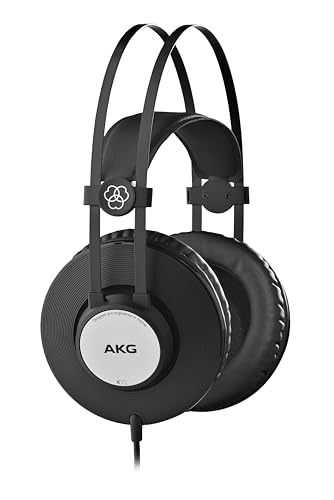
- Closed-back design reduces bleed during tracking
- Balanced 40mm drivers for reference-style monitoring
- Also usable with portable devices and casual listening
Best For: Home-studio users who want reliable isolation for vocals and instrument tracking.
Best for Comfort
beyerdynamic DT 770 Studio 80 Ohm

- Low-leakage closed-back design for tracking
- Comfortable velour pads for long sessions
- 80 ohm version suits versatile studio setups
Best For: Vocalists and home-studio users who need comfortable, isolated monitoring.
Best Open-Back Alternative
Sennheiser HD 599 SE Open-Back Headphones

- Natural, balanced sound with a spacious presentation
- Lightweight comfort with plush velour ear pads
- Detachable cables for 3.5mm and 6.3mm setups
Best For: Home listeners and engineers who want comfort and detail more than isolation.
Best for Tracking Flexibility
MAONO MH601 Studio Monitor Headphones

- Wired closed-back design helps reduce bleed while recording
- 50mm drivers offer clear monitoring with solid bass
- Detachable cable and 1/4-inch adapter add studio-friendly versatility
Best For: Home recordists and musicians who need an affordable wired monitoring headset for tracking.
Best for Critical Mixing
beyerdynamic DT 770 PRO 250 Ohm

- Closed-back isolation for focused tracking
- Reference-style detail for editing and mixing
- Comfortable velour pads and coiled cable
Best For: Engineers and producers with a headphone amp who want detailed, isolated monitoring for tracking.
Best for Vocal Tracking – beyerdynamic DT 770 PRO 80 Ohm
If you want closed back headphones for tracking that stay comfortable through long sessions, the beyerdynamic DT 770 PRO 80 Ohm is a proven studio staple. Its closed design helps keep click bleed and backing tracks out of the mic while giving you a clear, detailed monitor mix.
Best For: Vocalists, engineers, and home studio users who need reliable isolation, long-wear comfort, and a balanced monitoring sound.
Pros:
- Closed-back design helps reduce bleed during vocal and instrument tracking
- 80-ohm tuning is versatile for home studios and professional monitoring
- Soft velour pads and lightweight fit work well for long sessions
- 3m straight cable gives you plenty of movement at the desk or in the booth
Cons:
- Not as portable as lower-impedance models for mobile use
- Coiled-cable fans may prefer a different DT 770 variant
For closed back headphones for tracking, this model stands out for its mix of isolation, comfort, and dependable studio tuning. It is a practical choice if you want a classic monitoring headphone that can handle daily recording duties without getting in the way.
Best for Clear Studio Monitoring – Mackie MC-100 Closed-Back Headphones
If you want closed back headphones for tracking that lean toward clean, balanced studio monitoring, the Mackie MC-100 is a practical pick. It uses a professional closed-back design, custom drivers, and padded fit to help you hear detail without giving up long-session comfort.
Best For: Home recordists, content creators, and musicians who want a straightforward monitoring headphone with Mackie’s studio-monitor tuning.
Pros:
- Closed-back design helps with isolation during tracking and monitoring
- Balanced, detailed sound is aimed at studio work rather than hype
- Soft ear pads and adjustable headband improve comfort for longer sessions
- Good fit for recording, content creation, and casual listening too
Cons:
- Not designed for heavy bass enhancement or a colored sound signature
- More focused on utility than premium build extras
For buyers comparing closed back headphones for tracking, the MC-100 stands out as a no-nonsense studio option: isolating enough for recording, comfortable enough for long takes, and tuned to reveal details that matter when you are checking levels, edits, or performances.
Best Budget Tracking Pick – Audio-Technica ATH-M20x Studio Monitor Headphones
If you need closed back headphones for tracking without spending much, the Audio-Technica ATH-M20x is a practical entry point. It offers a snug circumaural fit, solid isolation, and a tuned low-end that helps performers hear the beat and their own signal clearly while recording.
Best For: Home studio users, vocalists, and beginners who want affordable isolation for tracking and basic mixing.
Pros:
- Closed-back design helps reduce bleed during recording sessions
- 40 mm drivers deliver a punchy, low-end-focused monitoring sound
- Single-side cable and durable build are studio-friendly
- Comfortable enough for long practice and tracking sessions
Cons:
- Not as detailed or spacious as higher-end studio monitors
- Comfort and isolation are good, but not class-leading
For the price, the ATH-M20x hits the essentials well: isolation, durability, and a sound profile that works in real recording sessions. If you want closed back headphones for tracking on a budget, this is one of the easiest models to recommend.
Best for Everyday Tracking Use – Sennheiser HD 400S Closed-Back Headphones
If you want closed back headphones for tracking that keep outside noise in check without costing a fortune, the Sennheiser HD 400S is a practical wired option. The closed-back over-ear fit helps reduce bleed and distraction, while the balanced Sennheiser tuning stays clear enough for monitoring vocals, instruments, and click tracks.
Best For: Home studios, practice sessions, and musicians who want an affordable wired pair for basic tracking and focused listening.
Pros:
- Closed-back over-ear design helps cut ambient noise and reduce bleed during tracking
- Balanced sound with clear mids and controlled bass for everyday monitoring
- Lightweight, foldable build makes it easy to wear and pack away
- Inline remote and mic add convenient control for calls and playback
Cons:
- Not a studio-tuned reference headphone for critical mixing decisions
- Wired-only design limits freedom compared with wireless models
- Noise isolation is good for passive use, but not as strong as pro-level isolation
For buyers comparing closed back headphones for tracking, the HD 400S stands out as an easy, sensible pick: comfortable, portable, and tuned well enough to handle day-to-day recording tasks without overcomplicating the setup.
Best for Click-Track Isolation – AKG K72 Closed-Back Studio Headphones
If you need closed back headphones for tracking, the AKG K72 is a practical studio option that focuses on isolation, balanced sound, and comfort. Its closed-back design helps keep click bleed out of the mic while the 40mm drivers deliver a clean, extended response for vocals, guitars, bass, and drums.
Best For: Home studios and project rooms where reducing bleed and hearing a clear reference mix matter more than flashy features.
Pros:
- Closed-back design helps minimize sound leakage during recording sessions
- 40mm drivers provide balanced, reference-style monitoring with solid low-end detail
- Good isolation for tracking vocals and instruments in shared or noisy spaces
- Works well with portable devices thanks to its high-sensitivity, high-output design
Cons:
- Not a premium-feature model, so comfort and refinement are more utilitarian than luxurious
- Sound signature is aimed at accuracy, not boosted excitement
The K72 is a straightforward pick if you want closed back headphones for tracking without paying for extras you may not need. It prioritizes isolation and reference monitoring, which makes it a dependable studio workhorse for recording and practice.
Best for Open-Back Detail – Sennheiser HD 560S Open-Back Headphones
If you’re comparing closed back headphones for tracking, the Sennheiser HD 560S is worth a look only if your priority shifts toward open, natural monitoring at home. It gives you a wide soundstage, strong detail retrieval, and a neutral tuning that’s helpful for editing, mixing, and critical listening when bleed isolation isn’t a concern.
Best For: Home creators, gamers, and listeners who want accurate, spacious wired headphones for editing and everyday listening rather than isolation-based tracking.
Pros:
- Neutral tuning makes it easier to hear subtle mix and recording details
- Open-back soundstage feels spacious and highly directional
- Lightweight design with velour pads supports long sessions
- Detachable cable and 6.35mm adapter work well with common audio gear
Cons:
- Open-back design leaks sound and offers little isolation
- Not the right choice for live tracking or noisy rooms
- Requires wired listening, so it’s less convenient than wireless models
In short, the HD 560S is excellent for detail-focused home monitoring, but it is not a substitute for closed back headphones for tracking where isolation and mic bleed control matter most. Choose it if you want accuracy and comfort first, and skip it if your recording setup needs headphone bleed kept to a minimum.
Best for Comfort – beyerdynamic DT 770 Studio 80 Ohm
The beyerdynamic DT 770 Studio is a strong choice if you want closed back headphones for tracking that keep bleed low while still giving you a clear, detailed monitor sound. The 80 ohm version is especially versatile for home studios, podcast work, and pro booths where comfort and reliable isolation matter.
Best For: Vocalists, podcasters, and home-recording users who need comfortable, isolated monitoring for long sessions.
Pros:
- Closed-back design helps minimize leakage during tracking
- 80 ohm tuning works well for broad studio use
- Soft velour pads stay comfortable over long sessions
- 3m straight cable gives plenty of reach at the desk
Cons:
- Not as portable as low-impedance mobile headphones
- Sound signature is more monitoring-focused than bass-heavy
For buyers comparing closed back headphones for tracking, the DT 770 Studio stands out for its mix of isolation, comfort, and dependable studio tuning. It is a practical pick when you need a workhorse pair that can handle recording sessions without getting in the way.
Best Open-Back Alternative – Sennheiser HD 599 SE Open-Back Headphones
If you’re comparing closed back headphones for tracking, the Sennheiser HD 599 SE is worth a look if you also want a wide, natural listening experience for mixing and reference work. Its open-back design won’t isolate like a studio monitor headphone, but it delivers clear mids, detailed highs, and a spacious presentation that many home recordists appreciate for critical listening.
Best For: Engineers, musicians, and listeners who want a comfortable, detailed headphone for home use and can trade isolation for a more open sound.
Pros:
- Natural, balanced tuning with strong detail in the mids and highs
- Very comfortable for long sessions thanks to the lightweight build and velour pads
- Includes both 3.5mm and 6.3mm detachable cables for flexible setup
Cons:
- Open-back design leaks sound and does not block outside noise
- Not the right pick if you need true isolation for tracking vocals or drums
For anyone shopping specifically for closed back headphones for tracking, this model is not the isolation-first answer, but it can still be a strong reference headphone for less noisy environments. If your priority is comfort and a spacious, accurate sound over bleed control, the HD 599 SE makes sense.
Best for Tracking Flexibility – MAONO MH601 Studio Monitor Headphones
The MAONO MH601 is a practical pick if you want closed back headphones for tracking without paying for a studio-brand premium. Its 50mm drivers, wired connection, and closed-back over-ear design are aimed at giving you clear monitoring, solid isolation, and zero-latency playback while recording vocals or instruments.
Best For: Singers, home recordists, and musicians who need flexible wired monitoring for tracking, mixing, and instrument practice.
Pros:
- Closed-back design helps reduce bleed and keep you focused while tracking.
- 50mm drivers deliver full sound with strong bass and good overall clarity.
- Detachable cable and included 1/4-inch adapter make it easy to use with interfaces, amps, and keyboards.
- Swiveling earcups support single-ear monitoring during recording sessions.
Cons:
- No built-in microphone, so it is not meant for calls or casual headset use.
- More utility-focused than truly audiophile-grade in refinement.
- Bulkier than lightweight portable headphones.
For creators shopping for closed back headphones for tracking, the MH601 stands out as a straightforward, wired monitoring tool with useful studio features and broad compatibility. It makes the most sense if you want isolation, comfort, and simple plug-and-play performance over fancy extras.
Best for Critical Mixing – beyerdynamic DT 770 PRO 250 Ohm
If you want closed back headphones for tracking that also pull double duty for detailed editing, the DT 770 PRO 250 Ohm is built for a serious studio chain. Its closed design helps cut down on bleed and outside noise, while the high-impedance tuning rewards clean headphone amps and interface outputs with a very transparent sound.
Best For: Engineers, producers, and home-studio users with a capable headphone amp who want isolation and precise detail for tracking and critical listening.
Pros:
- Strong isolation from the closed-back design helps keep tracking focused
- Detailed, reference-style sound is well suited to mixing and editing
- Comfortable velour pads and lightweight build work well for long sessions
- 3m coiled cable keeps desktop setups tidy and flexible
Cons:
- 250-ohm impedance needs a capable headphone amp or strong interface output
- Not the easiest pick for mobile or low-power use
For studio users who can drive them properly, these are among the most dependable closed back headphones for tracking because they combine isolation, comfort, and a revealing sound signature. They’re less about casual convenience and more about accurate monitoring in a real production workflow.
How We Picked These Closed Back Headphones for Tracking
For tracking use, isolation and comfort matter as much as sound quality. We prioritized closed-back designs that help reduce headphone bleed, along with dependable build quality, sensible cable options, and enough output for common interfaces and headphone amps. We also considered how well each model fits long sessions, since tracking often means wearing headphones for extended periods.
Quick Comparison
Most buyers will fall into one of three groups: value-focused home recordists, comfort-first vocalists, or users who want a more detailed monitoring response. Lower-impedance models are typically easier to drive from interfaces and mixers, while higher-impedance versions may benefit from stronger headphone amplification. If you need a simple all-around choice, look for a balanced tuning and solid isolation before chasing extra detail.
Key Buying Factors for Closed Back Headphones for Tracking
Isolation
Good passive isolation helps keep backing tracks, metronomes, and guide vocals from leaking into microphones. For vocal tracking, this is especially important when recording with sensitive condensers.
Comfort and Fit
Tracking sessions can run long, so look for cushioned ear pads, moderate clamping force, and a weight that won’t become distracting. A comfortable fit also helps maintain a stable seal, which supports consistent isolation.
Impedance and Power Needs
Check whether your interface can drive the headphones to a usable volume without distortion. Many home studios do best with lower-impedance Closed Back Headphones for Tracking, while higher-impedance options can make sense in studios with dedicated monitoring gear.
Sound Profile
For tracking, you usually want a clear midrange, controlled bass, and enough detail to hear pitch, timing, and edits. Extremely colored tuning is less useful than a presentation that helps performers hear themselves accurately.
Durability and Cable Setup
Detachable cables, robust yokes, and replaceable pads can extend the life of a studio headphone. Coiled cables may be convenient in some booths, while straight cables can work better for portable or desktop use.
Who Should Buy Which Closed Back Headphones for Tracking?
If you’re building a first studio on a budget, choose an affordable closed-back model with easy drive requirements and dependable isolation. If you record vocals often, prioritize comfort, strong passive seal, and a sound that keeps the monitor mix intelligible without being fatiguing. If you already have a capable headphone amp or studio monitor controller, a higher-impedance option may offer better refinement and headroom.
In short, the best choice depends on your room, your interface, and how you work. The right Closed Back Headphones for Tracking should make performers hear the mix clearly, keep bleed under control, and stay comfortable enough to forget once the red light comes on.