Choosing the right preamp can dramatically improve the clarity, headroom, and flexibility of your recordings. If you need clean gain for dynamic or condenser mics, the best options balance sound quality, features, and value.
This roundup highlights standout dual channel microphone preamps for different budgets and studio setups, from compact inline boosters to rackmount units built for serious tracking.
Best 8 Dual Channel Microphone Preamps Picks for 2026
Best for Colorful Two-Channel Tracking
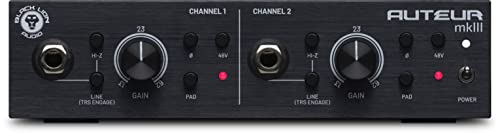
- Two channels with fast, transparent front-end gain
- Cinemag transformers add analog color and depth
- Useful pad, phantom, polarity reverse, and Hi-Z/line inputs
Best For: Engineers who want dual channel microphone preamps with both clean gain and transformer character.
Best for Dual-Mic Gain
MIC-1 2-Input Microphone Preamp

- 75 dB clean gain for low-output microphones
- Runs condenser and dynamic mics together
- Balanced and line outputs for flexible routing
Best For: Creators who need a compact preamp to boost two microphones at once.
Best for Classic Console Tone
Focusrite ISA Two Dual Mono Preamp

- Transformer-based sound with up to 80 dB of gain
- Variable impedance for better mic matching
- Per-channel high-pass filters and balanced inserts
Best For: Engineers who want flexible, classic-sounding dual mic pres for a studio rack.
Best for Dual-Mic Gain Boost
StudioMan CL-200 2-CH XLR Preamp

- Dual-channel +25dB clean gain boost
- Low-noise balanced XLR signal path
- Phantom-powered, plug-and-play setup
Best For: Podcasters, streamers, and home-studio users who need simple two-channel gain boost for passive mics.
Best for Compact 2-Channel Recording
Rolls MP213 Two-Channel Preamp

- Dual XLR/3.5mm I/O for flexible setups
- +48V phantom power for condenser mics
- Independent gain controls with clip indicators
Best For: Creators and small studios needing a simple two-input preamp with portable connectivity.
Best for Impedance Tweaking
sE Electronics DM2 TNT Inline Preamp

- +15 dB or +30 dB gain options
- 8 selectable impedance settings
- Compact, low-noise inline design
Best For: Passive mic users who want a clean inline gain boost with impedance control.
Best Inline Gain Booster
sE Electronics DM1 Dynamite Inline Preamp

- +28dB clean gain for passive mics
- Transparent Class-A, transformerless design
- Compact all-metal inline XLR build
Best For: Podcasters, vocalists, and live sound users who need transparent boost for ribbon or dynamic microphones.
Best for Passive Mics
sE Electronics DM2 TNT Inline Preamp
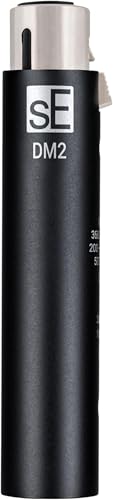
- +15dB or +30dB transparent gain options
- 8 selectable impedance settings
- Compact, all-metal inline design
Best For: Podcasters and engineers needing clean boost for ribbon or dynamic microphones.
Best for Colorful Two-Channel Tracking – Black Lion Audio Auteur MK3
The Black Lion Audio Auteur MK3 is a smart pick if you want dual channel microphone preamps that combine clean front-end speed with a more characterful output stage. It gives you two channels, plus useful controls like 48V phantom power, polarity reverse, pad, and line/Hi-Z input support for flexible recording setups.
Best For: Recording engineers and home studio users who want a two-channel preamp with both transparency and transformer color.
Pros:
- Modern IC front-end delivers fast, transparent gain
- Cinemag transformer-coupled output adds rich analog color
- Includes pad, phantom power, polarity reverse, and Hi-Z/line inputs
Cons:
- Not the most pristine choice if you want ultra-clean amplification only
- More character than a simple utility preamp, which may not suit every source
For buyers comparing dual channel microphone preamps, the Auteur MK3 stands out by balancing clarity and vibe in one unit. It’s a versatile 2-channel option when you want a little harmonic weight without giving up practical studio features.
Best for Dual-Mic Gain – MIC-1 2-Input Microphone Preamp
If you need dual channel microphone preamps for running two mics at once, the MIC-1 is built around clean gain, 48V phantom power, and straightforward output options. It’s a practical pick for small home studios, livestream setups, and podcast rigs that need more level without adding obvious noise or coloration.
Best For: Creators who want to boost one condenser mic and one dynamic mic at the same time with a simple, compact preamp.
Pros:
- Up to 75 dB of clean, transparent gain for weak mic signals
- Dual inputs with 48V phantom power support for mixed mic setups
- XLR balanced and 6.35 mm outputs for interfaces, mixers, and speakers
- Metal housing and 3-year warranty add durability and peace of mind
Cons:
- Not a full-featured mixer or audio interface replacement
- Best suited to basic two-mic workflows rather than larger studio chains
- Sound-shaping controls are limited compared with more advanced preamps
The MIC-1 stands out if your priority is simple, clean gain for dual channel microphone preamps without unnecessary complexity. It’s a good fit when you want reliable level boost for dynamic and condenser mics and need flexible connectivity for recording or live streaming.
Best for Classic Console Tone – Focusrite ISA Two Dual Mono Preamp
If you want dual channel microphone preamps with a more characterful, transformer-based sound, the Focusrite ISA Two is a smart studio choice. It gives you two independent channels, variable input impedance, and per-channel high-pass filtering, so you can shape vocals, guitars, and instruments without a lot of extra outboard gear.
Best For: Engineers and home studio owners who want two high-quality mic pres with flexible tone control and classic ISA coloration.
Pros:
- Lundahl transformer input design delivers clean gain with classic ISA character.
- Four selectable impedances help match different microphones, including vintage models.
- Per-channel high-pass filters and inserts add useful tracking flexibility.
- Front-panel DI inputs make it easy to plug in instruments quickly.
Cons:
- More expensive than basic transparent dual-channel preamps.
- Rackmount design is better suited to permanent studio setups.
For buyers comparing dual channel microphone preamps, the ISA Two stands out for its blend of clean gain, transformer flavor, and practical routing features. It is especially appealing if you want a refined front end that can adapt to different mics and sources.
Best for Dual-Mic Gain Boost – StudioMan CL-200 2-CH XLR Preamp
If you need a straightforward way to lift weak dynamic or ribbon mic signals, the StudioMan CL-200 is a practical pick among dual channel microphone preamps. It adds a clean +25dB boost to two mics at once, helping you avoid noisy interface gain and keep your recordings cleaner.
Best For: Podcasters, streamers, and home-studio users who need simple two-channel gain boost for passive mics.
Pros:
- Dual-channel design handles two microphones simultaneously
- Clean +25dB gain helps reduce hiss from maxing out interface gain
- Low-noise, transparent sound with balanced XLR I/O
- Runs from 48V phantom power with no extra adapter required
Cons:
- Not compatible with condenser microphones
- Works best with a short mic-to-booster cable run
For buyers comparing dual channel microphone preamps, the CL-200 stands out for its simple setup, strong gain boost, and clean signal path. It is especially useful when you want more usable level from passive mics without adding clutter or complicated power requirements.
Best for Compact 2-Channel Recording – Rolls MP213 Two-Channel Preamp
The Rolls MP213 is a practical choice for buyers who need dual channel microphone preamps in a small, straightforward box. It combines XLR and 3.5mm connectivity, phantom power, and enough gain for everyday studio, camera, or portable recording setups without adding unnecessary complexity.
Best For: Content creators, mobile recordists, and small studios that need a simple two-input preamp with both XLR and 3.5mm options.
Pros:
- Dual-channel design with independent gain controls and clip indicators
- +48V phantom power for condenser microphones
- XLR and 3.5mm inputs/outputs add flexible hookup options
- Compact chassis is easy to carry and place in tight rigs
Cons:
- Not a feature-heavy mixer for larger productions
- 3.5mm connectivity is useful, but not ideal for every pro workflow
- Only 2 channels, so it won’t suit multi-mic expansion needs
If you want dual channel microphone preamps that prioritize simplicity, portability, and broad compatibility, the MP213 is a solid fit. It’s especially appealing for users who need clean gain and phantom power in a compact unit rather than a full-size preamp rack.
Best for Impedance Tweaking – sE Electronics DM2 TNT Inline Preamp
If you need more level and more control from passive mics, the sE Electronics DM2 TNT is a smart add-on. It gives dynamic and ribbon users clean gain with selectable impedance, making it a practical fit for dual channel microphone preamps workflows where you want to shape each mic path without adding noise or color.
Best For: Recording engineers, podcasters, and live users who want a compact inline boost for ribbon or dynamic microphones with adjustable gain and impedance.
Pros:
- Two gain settings (+15 dB or +30 dB) for flexible clean boost
- Eight impedance options help match different passive microphones
- Low-noise Class-A, transformerless design keeps the signal transparent
- Compact metal build is easy to use in studio or on stage
Cons:
- Designed for dynamic and ribbon mics, not condenser microphones
- Single-channel inline unit, so it’s not a full mixer or interface solution
Overall, this is a niche but very useful tool if your setup depends on passive microphones that need more gain and better matching. For users comparing dual channel microphone preamps, the DM2 TNT stands out less as a main preamp and more as a precision inline booster that can improve headroom, clarity, and usability.
Best Inline Gain Booster – sE Electronics DM1 Dynamite Inline Preamp
If you need more level from low-output mics, the sE Electronics DM1 is a simple fix that fits neatly into a live or studio chain. It’s a strong option for users comparing dual channel microphone preamps when the goal is cleaner gain rather than extra features.
Best For: Podcasters, vocalists, and live sound users who need transparent boost for ribbon or dynamic microphones.
Pros:
- Delivers a clean fixed +28dB gain boost for passive mics
- Transparent Class-A, transformerless design helps preserve natural tone
- Compact all-metal inline build is easy to add to any XLR setup
- Gold-plated connectors and buffer stage help maintain a reliable signal
Cons:
- Only works with microphones that need inline gain, not condenser mics
- Single-purpose design offers no adjustable controls
- Not a replacement for full-featured dual channel microphone preamps
The DM1 makes sense if you want a transparent way to wake up a ribbon or dynamic mic without changing the sound. For buyers who need simple, dependable gain instead of a full rack unit, it’s a practical alternative to larger dual channel microphone preamps.
Best for Passive Mics – sE Electronics DM2 TNT Inline Preamp
If you need more clean level from a ribbon or low-output dynamic mic, the sE Electronics DM2 TNT is a compact way to add transparent gain without changing the mic’s character. It’s a smart buy for people comparing dual channel microphone preamps or looking for a simpler inline solution that still gives you more control over impedance and noise.
Best For: Podcasters, engineers, and live performers who want adjustable clean gain for passive ribbon and dynamic microphones.
Pros:
- Selectable +15dB or +30dB gain for flexible headroom
- 8 impedance settings help match different passive microphones
- Transparent, low-noise design suits studio and stage use
- Ultra-slim all-metal build is easy to travel with
Cons:
- Made for passive mics, not condensers
- Single inline preamp design may not replace full channel-strip features
- Requires phantom power from the interface or mixer to operate
The DM2 TNT stands out for users who care more about clean gain and impedance matching than color or extra processing. For buyers comparing dual channel microphone preamps, it’s a focused option that solves low-output mic issues in a very compact form.
How We Picked These Dual Channel Microphone Preamps
We focused on practical factors that matter in real recording sessions: usable gain range, noise performance, channel matching, build quality, and compatibility with common microphones. We also looked for options that serve different buyers, from simple two-channel units to specialty inline preamps for ribbon and dynamic mics.
Because Dual Channel Microphone Preamps are used in everything from vocals to stereo instruments, versatility matters. The best picks offer dependable gain without adding hiss, plus features that make them easier to integrate into a home studio or mobile rig.
Quick Comparison
In broad terms, rackmount dual-channel units are the best fit for full studio setups, while compact desktop models offer a simpler path for budget-conscious buyers. Inline microphone preamps are ideal when you only need to add clean gain to a specific mic, especially ribbons and low-output dynamics. If you already have an audio interface with decent conversion, the right preamp can expand your mic locker without replacing your whole signal chain.
Key Buying Factors for Dual Channel Microphone Preamps
Gain and Noise Floor
Check that the preamp provides enough clean gain for your quietest microphones. Low-output dynamics and ribbons often need more gain than condensers, so a quiet circuit is just as important as the maximum gain number.
Input and Output Flexibility
Look for XLR connections, phantom power if you use condensers, and any channel-specific tools such as impedance selection, pad switches, or high-pass filtering. These features can make a preamp far more useful in a real session.
Form Factor
Rackmount models are better for permanent studios, while compact and inline designs are easier to travel with and simpler to add to an existing setup. Choose the format that matches how you actually record.
Build Quality and Use Case
Metal housings, solid knobs, and stable connectors matter if the unit will be moved often. If you are building a front end for tracking, prioritize a fuller-featured model; if you only need extra gain, a clean inline booster may be enough.
Who Should Buy Which Dual Channel Microphone Preamps?
Buy a rackmount dual-channel preamp if you want a long-term studio centerpiece with more control and routing flexibility. Choose a compact two-channel preamp if you need a straightforward, affordable upgrade for vocals, podcasts, or small sessions. Go with an inline booster if your main goal is to wake up ribbon or dynamic microphones and add clean gain without changing the rest of your signal chain.
For most buyers, the best choice is the one that solves a specific recording problem clearly: more clean gain, more channel versatility, or a better fit for your studio space.