The Shure SM7B is a renowned broadcast microphone, but its low output often demands more gain than a basic audio interface can provide cleanly. The right inline booster can add useful headroom without forcing you to run your interface preamp at its limits.
We compare 10 popular options, from the USA-made Cloudlifter CL-1 to compact budget boosters and higher-gain models, so you can match your microphone, interface, and recording style with confidence.
Best 10 Microphone Preamp for Sm7b Picks for 2026
Best Overall

- Up to 25dB of clean gain
- Phantom-powered with passive-mic protection
- Compact one-channel design
Best For: Podcasting, streaming, and studio recording
Best Class-A Design
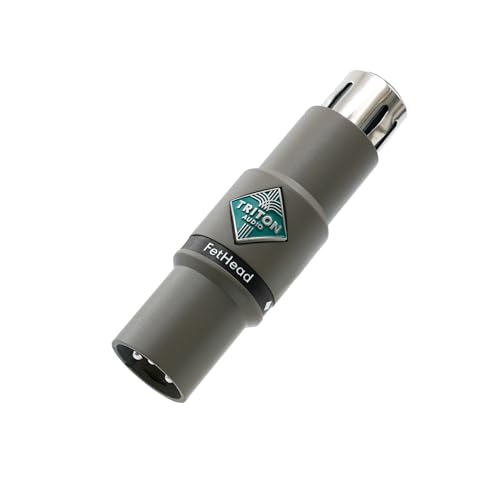
- Low-noise Class-A JFET amplifier
- Shielded enclosure
- Compact 2.72-ounce design
Best For: Dynamic microphone setups focused on low-noise amplification
Best for Live Sound

- Adds 25dB of clean gain
- Designed for studio and stage use
- Works with dynamic and ribbon microphones
Best For: Live events, broadcasting, and podcasting
Best Budget Option

- Provides 25dB of gain
- Designed for clean dynamic-mic output
- Single-, dual-, and four-channel versions
Best For: Beginners and budget-conscious home studios
Compact Studio Booster

- Up to 25dB of gain
- Balanced XLR input and output
- Compact metal housing
Best For: Home studios, podcasts, and live sound setups
Road-Ready Inline Gain
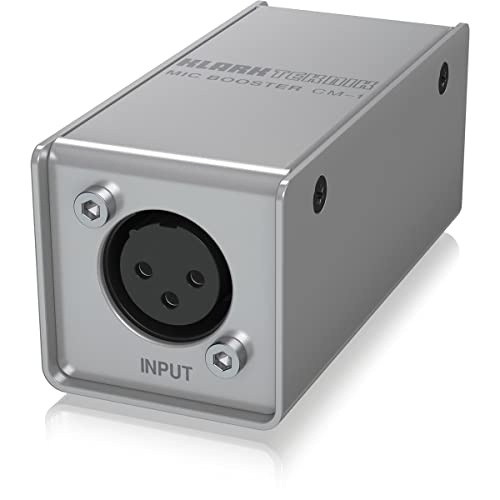
- Up to 25dB of gain
- Phantom powered
- Rugged metal construction
Best For: Portable recording and live dynamic-mic setups
High-Gain Podcast Preamp

- Up to 60dB of clean gain
- XLR input and output
- Compact, rugged design
Best For: Podcasts, streaming, and low-output dynamic microphones
Clean Gain Pick
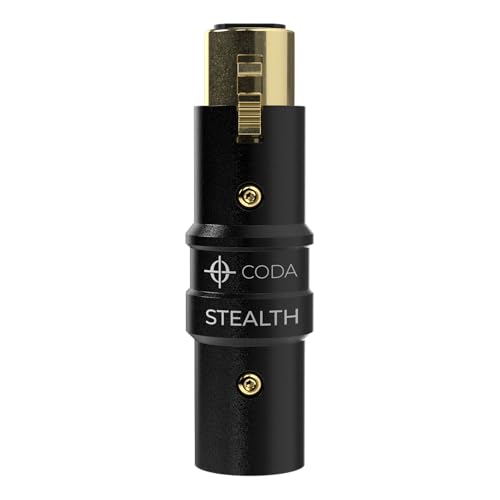
- 28 dB gain for dynamic and ribbon mics
- Compact inline XLR design
- Requires 48V phantom power
Best For: Simple podcast and streaming setups using dynamic microphones
Maximum Gain Versatility

- Up to 75 dB of stated gain
- Balanced XLR and dual 3.5 mm outputs
- Supports dynamic and condenser microphones
Best For: Flexible vocal recording and portable audio setups
Adjustable Pairing Pick
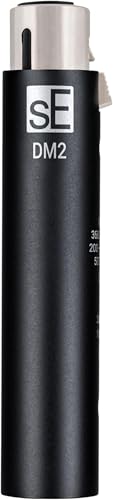
- Selectable +15 dB or +30 dB gain
- Eight impedance settings
- Slim all-metal XLR design
Best For: Users fine-tuning dynamic or ribbon microphone setups
Best Overall – Cloudlifter CL-1
For anyone seeking a dependable microphone preamp for SM7B setups, the Cloudlifter CL-1 is a proven one-channel gain booster. It uses 48V phantom power to add up to 25dB of gain while protecting passive microphones from phantom power transfer.
Best For: Home studios, podcasting, streaming, broadcast, and studio vocals.
Pros:
- Adds up to +25dB of ultra-clean gain.
- Designed to reduce noise and improve microphone clarity.
- Compatible with passive ribbon microphones and other passive microphones.
- Compact stainless-steel enclosure and USA-made design.
Cons:
- Requires phantom power from an interface or mixer.
- Provides one channel.
The CL-1 is a strong all-around choice when an SM7B or another quiet passive microphone needs additional clean gain without noticeably changing its natural sound.
Best Class-A Design – Triton Audio FetHead
The Triton Audio FetHead is an in-line microphone preamp for SM7B-style dynamic microphone setups that emphasizes a low-noise Class-A JFET amplifier. Its shielded enclosure and compact box format suit users who want a straightforward gain-stage accessory.
Best For: Dynamic microphone users who prioritize a low-noise Class-A amplifier design.
Pros:
- Uses a low-noise Class-A JFET amplifier.
- Features a double single-ended amplifier topology.
- Includes a shielded enclosure.
- Compact and lightweight at 2.72 ounces.
Cons:
- The supplied notes do not specify the gain amount.
- The supplied notes do not identify included cables or accessories.
Choose the FetHead when amplifier design and shielding are more important to you than a clearly specified gain figure. Confirm your interface and power requirements before purchase.
Best for Live Sound – FC-1 Dynamic Mic Preamp
The FC-1 is a practical microphone preamp for SM7B users who need 25dB of clean gain from an audio interface or external 48V phantom-power source. It is designed for dynamic and ribbon microphones, with features aimed at both studio and live applications.
Best For: Podcasting, live streaming, radio, live events, and studio recording with dynamic or ribbon microphones.
Pros:
- Provides 25dB of clean gain using 48V phantom power.
- Designed to reduce line noise over long cable runs.
- Helps improve gain before feedback for live use.
- Compatible with dynamic microphones including the SM7B and RE20.
Cons:
- Does not supply phantom power itself.
- Not compatible with condenser microphones.
The FC-1 is a versatile option for users moving between recording and stage work. Its main limitation is that your interface, mixer, or external supply must provide the required 48V phantom power.
Best Budget Option – AC-1 Inline Mic Preamp
The AC-1 is a budget-friendly microphone preamp for SM7B setups that adds 25dB of gain to dynamic and ribbon microphones. It is intended to reduce the need to run an interface’s built-in preamp at maximum, helping users target normal recording levels with less noise.
Best For: Beginners, home studios, live streamers, and budget-conscious users with dynamic microphones.
Pros:
- Adds 25dB of gain for dynamic microphones such as the SM7B.
- Uses 48V phantom power from an interface or mixer.
- Available in single-, dual-, and four-channel versions.
- Includes a stated five-year warranty.
Cons:
- Requires phantom power from the connected interface or mixer.
- The supplied model is a single-channel version.
The AC-1 makes a compelling case for a simple, affordable gain boost, especially when an entry-level interface struggles to drive a low-output dynamic microphone cleanly.
Compact Studio Booster – StudioMan CL-100
If you need a microphone preamp for SM7B-style dynamic microphone setups, the StudioMan CL-100 provides up to 25dB of gain in a compact XLR in/out design. Its metal housing, phantom-power compatibility, and stated 10Hz–20kHz frequency response make it suited to home studios, podcasts, streaming, and live sound.
Best For: Dynamic and passive ribbon microphones used in desk-based recording, podcasting, or live setups.
Pros:
- Provides up to 25dB of clean gain for low-output microphones.
- Uses balanced XLR input and output for easy integration with interfaces and mixers.
- Compact metal chassis offers EMI/RFI shielding and portable durability.
- Includes a one-year warranty and stated technical support.
Cons:
- Its 25dB gain ceiling may be less suitable when a setup needs a larger boost.
- Requires phantom power from the connected equipment for operation.
The CL-100 is a straightforward choice when you want a small, rugged inline booster with conventional XLR connections. Check that your interface or mixer can supply phantom power before adding it to an SM7B signal chain.
Road-Ready Inline Gain – Klark Teknik MIC BOOSTER CM-1
The Klark Teknik MIC BOOSTER CM-1 is a practical microphone preamp for SM7B-style dynamic microphones and passive ribbons when you need extra level before your interface or mixer. It delivers up to 25dB of gain, runs from phantom power, and uses a rugged metal construction for regular transport or live use.
Best For: Dynamic-microphone users who want a compact, phantom-powered booster for recording, broadcast, or road setups.
Pros:
- Adds up to 25dB of gain without requiring a separate external power supply.
- Works with almost any dynamic or passive ribbon microphone.
- Rugged construction is designed for dependable use on the road.
- Provides XLR connectivity and a stated 70dB signal-to-noise ratio.
Cons:
- Offers less maximum gain than the 60dB option in this roundup.
- Its phantom-powered design depends on compatible upstream equipment.
The CM-1 keeps the signal-boosting job simple: connect it inline, provide phantom power, and send the boosted signal onward. It is particularly appealing if durability and a no-battery setup matter more than maximum available gain.
High-Gain Podcast Preamp – 60dB Dynamic Mic Booster
For a microphone preamp for SM7B and other low-output dynamic microphones, this model emphasizes a larger gain reserve, offering up to 60dB of stated clean gain. Its XLR input and output, compact rugged design, and focus on low-noise podcast and streaming use make it a flexible option for studio and content-creation chains.
Best For: Podcasters, streamers, and dynamic-microphone users who need substantial gain in a portable XLR preamp.
Pros:
- Offers up to 60dB of clean gain for stronger signal boosting.
- Designed for microphones including the SM7B and other popular dynamic models.
- XLR input and output integrate with common recording and broadcasting setups.
- Compact, rugged construction supports regular transport and use.
Cons:
- The supplied notes do not specify phantom-power requirements or detailed frequency-response figures.
- At 2 pounds, it is heavier than the listed compact booster alternatives.
This preamp stands out when your priority is maximum gain rather than the lightest inline accessory. Its claimed 60dB boost is useful for demanding dynamic microphones, while the XLR layout keeps integration familiar.
Clean Gain Pick – Coda MB-Stealth
If you need a straightforward microphone preamp for SM7B-style dynamic setups, the Coda MB-Stealth adds 28 dB of stated gain from an interface’s 48V phantom power. Its compact inline format is easy to place between the microphone and interface.
Best For: Podcasters and streamers using a dynamic microphone with an interface that supplies 48V phantom power.
Pros:
- Adds 28 dB of gain for dynamic and ribbon microphones
- Compact matte-black aluminum design
- Rated for low noise with a -70 dB noise specification
- Uses a standard XLR connection
Cons:
- Not compatible with condenser microphones
- Requires 48V phantom power from the connected interface
- Offers a fixed gain level rather than selectable settings
The MB-Stealth is a simple, focused option when you want extra clean gain without adding a larger desktop unit. Confirm that your interface provides phantom power and that your microphone is dynamic or ribbon before buying.
Maximum Gain Versatility – JCANOL MIC-1
The MIC-1 is a flexible microphone preamp for SM7B users who want substantial gain headroom and multiple output options. It provides up to 75 dB of stated gain, supports dynamic and condenser microphones, and includes balanced XLR plus 3.5 mm outputs.
Best For: Vocal recording setups that need high gain, phantom power, and connections for both studio and compact audio devices.
Pros:
- Up to 75 dB of stated clean gain
- Supports dynamic and condenser microphones with 48V phantom power
- Offers balanced XLR, 3.5 mm mic, and 3.5 mm line outputs
- Includes a 1 MΩ high-impedance instrument input
Cons:
- The two input ports cannot be used simultaneously
- Its broader feature set may be more than needed for a basic inline setup
- The supplied notes do not specify separate gain controls for each input mode
With its high stated gain ceiling and varied outputs, the MIC-1 is the most adaptable choice here. It is especially useful if your recording setup includes both a balanced interface connection and portable 3.5 mm equipment.
Adjustable Pairing Pick – sE Electronics DM2 TNT
The sE Electronics DM2 TNT is a refined microphone preamp for SM7B and other dynamic or ribbon microphones. Its selectable +15 dB or +30 dB gain and eight impedance settings make it a strong choice when you want to fine-tune the preamp-to-microphone match.
Best For: Studio, podcast, and live-sound users who want adjustable gain and impedance in a compact inline XLR unit.
Pros:
- Selectable +15 dB or +30 dB gain
- Eight load settings from 50 ohms to 10 MΩ
- Ultra-slim all-metal housing with gold-plated XLR connectors
- Designed for transparent, low-noise operation with dynamic and ribbon microphones
Cons:
- Does not provide the 48V-powered inline operation described for the Coda unit
- More adjustment options may be unnecessary for users seeking a plug-and-play booster
- Limited to dynamic and ribbon microphone applications
The DM2 TNT stands out for control rather than maximum stated gain. Its two gain levels and broad impedance range let experienced users optimize the signal path while keeping the inline footprint small.
How We Picked the Best Microphone Preamp for Sm7b
We focused on inline microphone preamps and gain boosters that can work with low-output dynamic microphones such as the Shure SM7B. Our comparison considers advertised gain, noise performance, phantom-power requirements, build quality, connectivity, controls, compatibility, and overall value. Because these devices sit between the microphone and interface, we also considered how easily each model fits into a typical XLR signal chain.
Specifications can vary by source and setup, so treat gain figures as useful guidelines rather than guarantees. Your interface’s preamp quality, cable length, speaking distance, and recording level all affect the final result.
Quick Comparison
| Best For | What to Look For |
|---|---|
| Reliable everyday use | Durable metal housing, established design, and straightforward phantom-powered operation |
| Maximum gain | Higher published boost with enough interface headroom for quiet voices and distant mic technique |
| Compact setups | Short inline form factor that adds minimal weight and cable clutter |
| Budget systems | Clean gain at a reasonable price, provided phantom power is available |
| Flexible microphone setups | Selectable gain, broad dynamic-mic compatibility, or support for ribbon microphones |
Key Buying Factors for a Microphone Preamp for Sm7b
Gain and Noise
The SM7B commonly benefits from roughly 15–30 dB of additional gain, though the exact requirement depends on your interface and recording style. More gain is not automatically better: prioritize clean, quiet amplification and leave enough room to prevent clipping.
Phantom-Power Requirements
Most inline boosters draw power from 48V phantom power while passing the microphone’s audio signal through. Confirm that your interface, mixer, or USB preamp supplies phantom power. A passive dynamic microphone does not usually need phantom power, but the booster may.
Compatibility and Connections
Look for standard XLR input and output connections and verify that the unit is intended for dynamic microphones. Ribbon microphones require extra care; choose a model that explicitly supports them and follow its manufacturer guidance before enabling phantom power.
Form Factor and Durability
A compact metal enclosure is convenient for desktop, mobile, and live-sound rigs, but the connector layout matters when the booster hangs directly from an interface. If the unit will be moved often, prioritize strain-resistant construction and secure XLR connections.
Who Should Buy Which Microphone Preamp for Sm7b?
Choose an established, durable booster if you want a dependable upgrade for a podcast or studio that runs frequently. A compact budget model makes sense when your interface is usable but lacks a small amount of clean gain. If your voice is quiet, your microphone is positioned farther away, or your interface has a weak preamp, consider a higher-gain option—but check noise specifications and available headroom first. Users with multiple dynamic or ribbon microphones should favor a flexible model with clearly stated compatibility and gain settings.
Before buying, confirm the complete chain: microphone, inline preamp, interface or mixer, phantom-power availability, and XLR cables. The best Microphone Preamp for Sm7b is the one that supplies enough clean gain for your setup without adding unnecessary controls, cost, or complexity.