The right preamp can make a meaningful difference in an audiophile recording chain, especially when a microphone needs more clean gain, richer harmonics, or better control over dynamics.
We selected 10 options ranging from compact inline boosters and affordable tube units to multi-channel interfaces and full-featured channel strips, so you can match the design to your microphones, room, and listening priorities.
Best 10 Microphone Preamps for Audiophiles Picks for 2026
Classic Color Control

- Single-channel Class A preamp
- Three-band EQ onboard
- Warm, punchy sound profile
Best For: Warm vocal and instrument recording with hands-on EQ
Affordable Tube Character
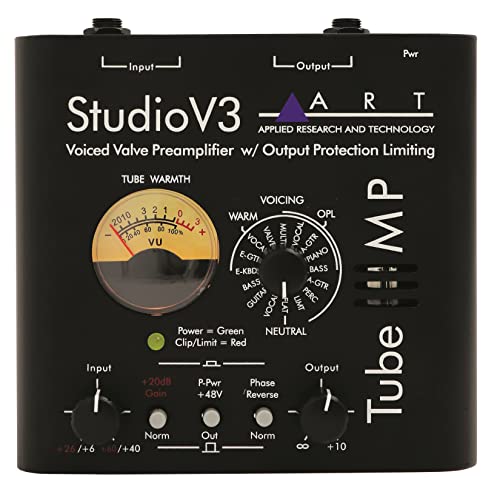
- Single-channel tube preamp
- Variable valve voicing
- Supports microphones and instruments
Best For: Compact home recording with tube-style tonal options
All-in-One Voice Processing

- Mic and instrument preamp
- Compression and de-essing included
- Rack-mountable 1U design
Best For: Vocal, voice, and instrument chains needing onboard processing
Flexible Tube Front End

- Variable input impedance
- Tube voicing with warm profile
- Mic/instrument auto-switching
Best For: Guitar and microphone recording with adjustable tube character
Best Multichannel Expansion

- Eight Midas microphone preamplifiers
- 24-bit 44.1/48 kHz conversion
- ADAT optical output
Best For: Expanding compatible recording systems with eight mic inputs
Best Hybrid Tone Shaping

- Two mic/instrument channels
- 12AX7 tube and solid-state stages
- Adjustable tube saturation
Best For: Two-channel recording with flexible tonal shaping
Best Clean Gain Booster

- Up to +25 dB microphone gain
- Phantom-powered operation
- Safe for passive ribbon microphones
Best For: Boosting low-output passive microphones before a preamp
Compact Signal Booster
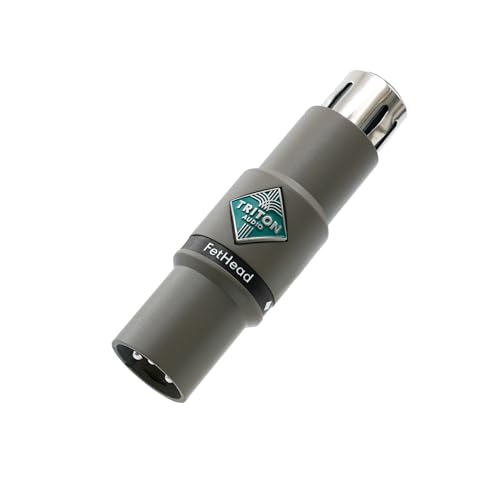
- Low-noise Class-A JFET design
- Shielded, compact enclosure
- Lightweight 2.72-ounce build
Best For: Space-conscious audiophile setups needing inline gain
Classic Console Character

- 80 dB of microphone gain
- Warm, rich, full-bodied profile
- DI, phantom power, and impedance switching
Best For: Single-channel recording with flexible gain and tone options
Tube-Tone Rack Solution

- 12AX7 tube for warm analog tone
- Two-channel mic/line operation
- Adjustable gain and equalization
Best For: Studios wanting tube coloration and flexible rack connectivity
Classic Color Control – Warm Audio WA73-EQ
For audiophiles seeking microphone preamps with an unmistakably warm, punchy character, the Warm Audio WA73-EQ combines a single-channel Class A preamp with a practical three-band EQ. Its mic, line, and instrument inputs make it a flexible front end for recording setups that need hands-on tonal shaping.
Best For: Vocalists, instrumentalists, and home studios that want warm coloration with onboard EQ.
Pros:
- Single-channel mic, line, and instrument preamp.
- Class A design with a warm and punchy sound profile.
- Built-in three-band EQ for shaping the source before recording.
Cons:
- One output channel limits simultaneous multi-source recording.
- At 10 pounds, it is relatively heavy for a single-channel unit.
The WA73-EQ is a strong fit when tonal character and immediate EQ control matter more than maximizing channel count. It is especially appealing for users who want a dedicated, tactile preamp stage in a corded setup.
Affordable Tube Character – ART Tube MP Studio V3
The ART Tube MP Studio V3 is a compact single-channel tube preamplifier for audiophiles who want variable valve voicing in a straightforward format. It supports microphones and instruments including guitars, keyboards, bass, drums, and vocals, making it a versatile entry point for tube-based recording.
Best For: Home recordists who want selectable tube voicing for vocals and instruments.
Pros:
- Tube amplifier design with variable valve voicing.
- Works with vocals, guitars, bass, keyboards, and drums.
- Compact metal enclosure weighing 2 pounds.
- Includes a stated two-year warranty.
Cons:
- Single-channel design is less suitable for multi-microphone tracking.
- The supplied notes identify it as a basic preamplifier rather than a unit with onboard EQ or dynamics processing.
Choose the Tube MP Studio V3 if tube coloration and flexibility across common sources are your priorities. Its small footprint and low weight also suit compact recording rigs.
All-in-One Voice Processing – dbx 286s Channel Strip
The dbx 286s expands beyond basic gain staging, pairing a microphone and instrument preamp with compression, de-essing, enhancement, and expander/gate processing. For audiophiles building a vocal or broadcast-style chain, its front-panel processing and status LEDs provide useful control before the signal reaches the rest of the system.
Best For: Vocal recording, spoken-word work, and rack-based setups needing integrated dynamics and tone processing.
Pros:
- Includes compression, de-esser, enhancer, and expander/gate sections.
- Accepts XLR microphone input and balanced or unbalanced 1/4-inch line input.
- Loop-out and insert connections support additional processors.
- Rack-mountable 1U format with status LEDs for monitoring.
Cons:
- Its extensive processing may be more than needed for a simple preamp-only setup.
- It has one channel, limiting simultaneous source processing.
- The supplied specifications describe a 120V/100V corded power configuration.
The 286s is best viewed as a complete channel strip rather than a minimalist microphone preamp. It makes sense when compression, sibilance control, gating, and enhancement are central to the recording workflow.
Flexible Tube Front End – ART TPS II Tube Preamplifier
The ART TPS II is a single-channel tube preamplifier designed for users who want warm coloration alongside flexible input control. Variable input impedance, variable valve voicing, LED metering, and automatic instrument/microphone switching give this unit more setup versatility than a basic tube preamp.
Best For: Guitarists and recording setups that need adjustable tube voicing, impedance, and clear metering.
Pros:
- Variable input impedance helps accommodate different sources.
- Variable Valve Voicing and warm tube sound profile.
- Automatically switches between instrument and microphone preamp modes.
- Provides LED input and analog output metering plus output protection limiting.
Cons:
- Single-channel design is not intended for multi-channel tracking.
- Its listed 19-inch width is better suited to rack-oriented installations than small desktop rigs.
- Tube coloration may not suit listeners seeking a strictly neutral preamp.
The TPS II is a compelling choice for audiophiles who want tube warmth but also value impedance adjustment and visual metering. Its automatic source switching makes it particularly practical for guitar and microphone applications.
Best Multichannel Expansion – Behringer ADA8200
Behringer ADA8200 Audiophile 8 In/8 Out ADAT Audio Interface with Midas Mic Preamplifiers
Check Price On AmazonThe Behringer ADA8200 is a practical choice for audiophiles who need microphone preamps for audiophiles-style multichannel recording setups. Its eight Midas microphone preamplifiers, 24-bit conversion, and ADAT optical output make it suited to expanding a compatible audio interface or digital recording system.
Best For: Home studios and recording systems that need eight additional microphone inputs over ADAT.
Pros:
- Provides eight microphone preamplifier channels.
- Includes 24-bit, 44.1/48 kHz AD/DA conversion.
- Offers ADAT optical output for compatible equipment.
- Uses XLR audio inputs and wired connectivity.
Cons:
- Maximum sample rate is limited to 48 kHz.
- Requires compatible ADAT equipment to use its optical expansion.
- Its rack-style size may be more than needed for a simple single-mic setup.
Choose the ADA8200 when channel count and digital expansion matter more than portability. It is a straightforward eight-channel solution for building out a larger recording rig.
Best Hybrid Tone Shaping – PreSonus BlueTube DP v2
The PreSonus BlueTube DP v2 is a flexible option for anyone comparing microphone preamps for audiophiles who want both clean solid-state operation and tube coloration. It combines two channels with 12AX7 tube and solid-state gain stages, plus useful controls for shaping input levels and tone.
Best For: Vocalists, instrumentalists, and small studios seeking two-channel preamplification with adjustable tube saturation.
Pros:
- Provides two mic or instrument channels with combo inputs.
- Combines 12AX7 tube and solid-state gain stages.
- Includes tube-drive saturation control and an analog VU meter.
- Adds 48V phantom power, an 80 Hz high-pass filter, pad, and polarity reverse.
Cons:
- Its tube-based sound profile can range from warm to distorted, which may not suit every source.
- Only two output channels are provided.
- It requires a DC power supply.
The BlueTube DP v2 is a strong fit when tonal flexibility is a priority. Its dual-channel design and adjustable tube drive provide more sound-shaping options than a strictly transparent preamp.
Best Clean Gain Booster – Cloudlifter CL-1
The Cloud Microphones Cloudlifter CL-1 is a compact gain solution for microphone preamps for audiophiles setups using quiet passive microphones. Powered by 48V phantom power, it adds up to 25 dB of gain while blocking phantom power from reaching the microphone, making it especially useful with passive ribbon microphones and other low-output sources.
Best For: Passive ribbon microphones, quiet vocals, acoustic instruments, podcasts, and voiceovers using a compatible phantom-powered mic input.
Pros:
- Adds up to +25 dB of ultra-clean microphone gain.
- Uses standard +48V phantom power from the connected preamp.
- Does not pass phantom power through to passive microphones.
- Compact, single-channel XLR design with a stated 5 Hz–80 kHz frequency range.
Cons:
- It is a one-channel activator rather than a complete standalone preamp.
- Requires a microphone input that supplies phantom power.
- Its XLR connectivity may require additional adapters for other connection types.
The CL-1 makes sense when a passive microphone needs more clean signal before reaching an existing preamp. It is a focused upgrade rather than an all-in-one recording interface.
Compact Signal Booster – FetHead Inline Preamp
For audiophiles who need a low-noise lift without adding a full rack unit, the Triton Audio FetHead is a compact microphone preamp with a Class-A JFET design. Its shielded enclosure and matched components suit clean, space-conscious setups.
Best For: Audiophiles seeking a compact, low-noise inline microphone preamp.
Pros:
- Low-noise Class-A JFET amplifier design
- Double single-ended amplifier topology with four matched JFETs
- Shielded enclosure and lightweight 2.72-ounce construction
Cons:
- Specified for 24-volt operation
- Its inline format offers less control than a full standalone preamp
The FetHead is a focused choice when clean gain and minimal hardware matter more than extensive controls or connectivity.
Classic Console Character – Pre-73 MKIII Mic Preamp
The Pre-73 MKIII is a single-channel microphone and line preamp for audiophiles who want substantial gain and a warm, rich, full-bodied sound profile. Its 80 dB of mic gain, switchable impedance, phantom power, DI, and LED output meter support flexible recording workflows.
Best For: Recording setups that need high gain, tonal character, and multiple input options.
Pros:
- Up to 80 dB of microphone gain
- Warm, rich, full-bodied sound profile
- Includes switchable impedance, phantom power, DI, and LED output metering
- Solid-state construction with an XLR connector
Cons:
- Single-channel design
- At 6.8 pounds, it is less portable than compact alternatives
Choose the Pre-73 MKIII when hands-on gain control and a deliberately full-bodied presentation are priorities over a minimal footprint.
Tube-Tone Rack Solution – Ultragain Pro MIC2200 V2
For audiophiles wanting tube coloration and two-channel flexibility, the Behringer Ultragain Pro MIC2200 V2 combines a 12AX7 vacuum tube with microphone and line connectivity. Its broad gain range and adjustable equalizer provide practical control over input level and tonal shaping.
Best For: Home and professional studios seeking affordable tube-style tone with two-channel processing.
Pros:
- Two-channel vacuum-tube microphone and line preamplifier
- 12AX7 tube provides a warm, analog tone
- +10 dB to +60 dB microphone gain range
- Equalizer offers ±15 dB cut/boost, frequency adjustment, and bandwidth control
Cons:
- Rack-style chassis measures about 19 inches wide
- Vacuum-tube operation may be less appealing for users seeking a strictly neutral design
- The supplied package includes cables, but the notes do not specify additional control features
The MIC2200 V2 is a versatile rack-format option when tube warmth, equalization, and balanced or unbalanced connectivity are more important than compact size.
How We Picked the Best Microphone Preamps for Audiophiles
We compared these models by looking at gain capability, noise performance, tonal flexibility, connectivity, channel count, controls, and intended use. We also considered whether each unit offers a meaningful advantage over plugging a microphone directly into an audio interface or mixer.
The list includes dedicated mic preamps, channel strips, tube and solid-state designs, ADAT expanders, and inline activators. Because “best” depends on the rest of your system, the selection balances transparency, coloration, versatility, and value rather than ranking every model by one specification.
Quick Comparison
| Best For | Look For | Suitable Design |
|---|---|---|
| Clean gain | Low noise and ample headroom | Solid-state preamp or inline activator |
| Vintage character | Transformer coloration and adjustable drive | 1073-style or tube preamp |
| Voice processing | Compression, de-essing, gating, and enhancement | Channel strip |
| Multi-microphone recording | Several inputs and digital expansion | Multi-channel preamp or ADAT interface |
| Flexible home studios | Multiple inputs, outputs, and tonal options | Two-channel tube or hybrid unit |
Key Buying Factors for Microphone Preamps for Audiophiles
Gain and Microphone Compatibility
Check the maximum clean gain before buying. Dynamic and passive ribbon microphones often need substantially more gain than condensers. An inline booster can help a quieter microphone, but it still requires a compatible phantom-powered input and should not be used carelessly with some ribbon microphones.
Noise, Headroom, and Transparency
For critical listening and acoustic recordings, prioritize a low-noise circuit, generous headroom, and smooth gain control. Transparent preamps preserve the microphone’s natural character, while colored models deliberately add harmonic weight or saturation.
Tonal Control and Features
Tube stages, transformers, impedance controls, polarity switches, filters, EQ, compression, and de-essing can be useful, but extra processing also increases complexity. Choose features you will actually use rather than paying for controls that duplicate software in your workstation.
Connections and System Fit
Confirm whether you need XLR, line-level output, instrument input, balanced connections, or ADAT output. A two-channel preamp may be ideal for stereo recording, while an eight-channel unit makes more sense for drum kits or interface expansion.
Who Should Buy Which Microphone Preamps for Audiophiles?
Choose an Inline Activator If You Need More Gain
Cloudlifter- and FetHead-style units suit passive dynamic or ribbon microphones that sound noisy through an ordinary interface. They are compact and simple, but they do not provide the tonal shaping of a full preamp.
Choose a Tube or Vintage-Style Preamp for Coloration
Tube designs and 1073-inspired units are a good fit for vocals, guitar, and close-miked sources when you want added warmth, thickness, or harmonic character. They are less suitable if absolute neutrality is the priority.
Choose a Channel Strip for Hands-On Vocal Control
A channel strip makes sense for users who want compression, de-essing, gating, or enhancement before the signal reaches the converter. It can streamline tracking, but careful level setting is essential.
Choose a Multi-Channel Unit for Expansion
If you record ensembles, drums, or several hardware sources, an eight-channel ADAT preamp can add practical input capacity without replacing your main interface. For a small stereo setup, a two-channel preamp is usually simpler and more economical.