The right microphone preamp can give a quiet dynamic or ribbon microphone the clean gain it needs without forcing you to push a noisy interface input.
These 10 picks cover compact inline boosters, channel strips, tube designs, and USB audio interfaces, making it easier to match features and price to your setup.
Best 10 Microphone Preamp Picks for 2026
Versatile Channel Strip

- Integrated compression, de-esser, enhancer, and gate
- XLR and 1/4-inch inputs with loop-out
- Rack-mountable 1U design with status LEDs
Best For: Vocal, podcast, and rack-based signal processing
Clean Gain Booster
Cloudlifter CL-1 Microphone Preamp

- Provides up to +25 dB of gain
- Phantom-powered without passing phantom to passive mics
- Compact XLR inline design
Best For: Podcasts, streaming, voiceover, and passive microphones
Compact Inline Booster
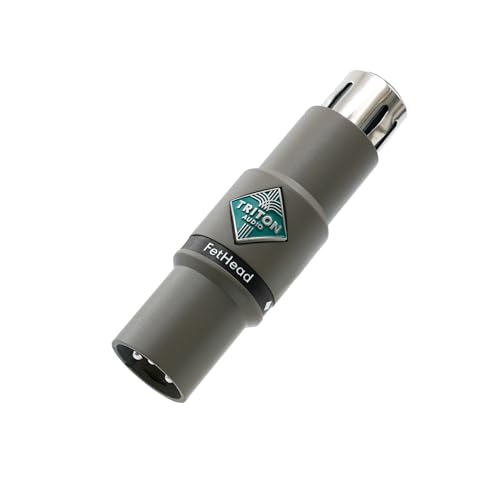
- Low-noise Class-A JFET amplifier
- Shielded enclosure for inline use
- Uses matched JFETs in its amplifier design
Best For: Compact, streamlined microphone signal chains
Tube Preamp System

- Variable impedance and valve voicing
- Automatic instrument/microphone mode switching
- LED input and analog output metering
Best For: Warm, flexible guitar and microphone recording
Best Budget Noise Control

- 19–66dB practical gain range
- Stated -120dBV EIN low-noise performance
- 1MΩ instrument input and Type-C power
Best For: Budget vocal, instrument, and portable recording setups
Best All-in-One Recording Hub

- 56dB mic preamp gain range
- Air mode and Hi-Z instrument input
- 24-bit/192kHz USB recording
Best For: Solo musicians, podcasters, and beginner home studios
Best Flexible Output Options

- Up to 75dB clean gain
- 48V phantom power for condenser microphones
- Balanced XLR and dual 3.5mm outputs
Best For: High-gain vocal, portable, and instrument recording
Compact Gain Booster
28dB Dynamic Microphone Preamp

- Adds 28dB of gain
- Slim, lightweight inline design
- Designed for dynamic microphones
Best For: Dynamic mic users needing a simple signal boost
Studio-Grade XLR Booster

- Adds 29dB of clean gain
- For dynamic and ribbon microphones
- Requires 48V phantom power
Best For: Studio, podcast, and live setups with compatible XLR gear
Universal Mic Booster

- Provides 20dB balanced gain
- Supports dynamic and condenser mics
- Compact low-noise metal case
Best For: Home studios and creators using multiple microphone types
Versatile Channel Strip – dbx 286s Microphone Preamp
The dbx 286s is a microphone preamp and channel strip for users who want more than basic gain. It combines microphone and instrument inputs with compression, de-essing, enhancement, and expander/gate processing in a rack-mountable 1U unit.
Best For: Vocal recording, podcasting, live sound, and rack-based setups that need integrated signal processing.
Pros:
- Combines microphone preamp duties with compression, de-esser, enhancer, and expander/gate effects.
- Classic dbx compression helps bring vocals forward and make loud and quiet elements easier to hear.
- Includes XLR and 1/4-inch inputs, loop-out capability, status LEDs, and rack mounting.
Cons:
- Its single-channel design may not suit multi-microphone recording.
- The range of processing controls may be more than needed for a simple preamp-only setup.
Choose the dbx 286s when you want a complete front-end channel strip rather than a standalone microphone preamp. Its built-in processing and routing options make it especially practical for vocals and fixed rack installations.
Clean Gain Booster – Cloudlifter CL-1 Microphone Preamp
The Cloudlifter CL-1 is an inline microphone preamp designed to add up to 25 dB of gain to quiet sources. It uses phantom power while keeping that phantom power from reaching compatible passive microphones, making it a focused solution for strengthening microphone signals.
Best For: Home studios, podcasts, streaming, voiceover, radio, and passive ribbon microphones used with phantom-powered inputs.
Pros:
- Adds up to +25 dB of ultra-clean gain to quiet microphone signals.
- Uses standard +48V phantom power without passing phantom power to the microphone.
- Compact XLR design supports studio, broadcast, live sound, and streaming setups.
Cons:
- Requires a microphone input with phantom power.
- It is an inline activator, so it does not provide the broader processing features of a channel strip.
The CL-1 is a sensible choice when your existing interface or mixer needs more clean gain, particularly with quieter passive microphones. Its job is straightforward: strengthen the signal while preserving the microphone’s natural sound.
Compact Inline Booster – Triton Audio FetHead Preamp
The Triton Audio FetHead is an inline microphone preamp built around a low-noise Class-A JFET amplifier. Its shielded enclosure and double single-ended amplifier topology make it a compact option for adding front-end gain in a microphone chain.
Best For: Users seeking a small, low-noise inline microphone preamp for a streamlined recording setup.
Pros:
- Uses a low-noise Class-A JFET amplifier design.
- Features a shielded enclosure for a compact, purpose-built form factor.
- Matched JFETs and double single-ended topology are specified for the amplifier section.
Cons:
- The supplied notes do not specify gain amount, connector details, or phantom-power requirements.
- Its inline design provides less functionality than a full channel-strip microphone preamp.
The FetHead is worth considering when size and a low-noise amplifier design matter more than onboard tone shaping or metering. Confirm compatibility with your existing microphone and preamp chain before buying.
Tube Preamp System – ART TPS II Microphone Preamp
The ART TPS II is a tube microphone preamp system for users who want variable input impedance and valve-based voicing. It automatically switches between instrument and microphone preamp modes and adds LED metering, output protection, and a wide 5 Hz–50 kHz frequency response.
Best For: Guitarists and recording setups seeking a warm tube-style preamp with flexible input and metering options.
Pros:
- Offers variable input impedance and enhanced V3 Variable Valve Voicing.
- Automatically switches between instrument and microphone preamp operation.
- Includes LED input and analog output meters, an OPL output protection limiter, and a toroidal transformer.
Cons:
- The tube-based unit is larger and heavier than compact inline preamps.
- Its warm sound profile may not be ideal for users seeking a strictly neutral preamp.
The TPS II fits buyers who want a more feature-rich tube microphone preamp that can also accommodate guitar and other instrument sources. Variable impedance and valve voicing provide more flexibility than a basic fixed-input design.
Best Budget Noise Control – RO03 66dB Mic Preamp
The RO03 is a practical microphone preamp for users who need substantial gain without an obvious noise penalty. Its 19–66dB gain range, stated -120dBV EIN, Type-C power input, and support for dynamic, condenser, ribbon, and instrument sources make it a flexible choice for home recording or portable setups. For the lowest noise, connect its output to an audio interface’s TRS line input with the appropriate cable.
Best For: Budget-conscious vocalists, streamers, and musicians who need added gain or instrument DI support.
Pros:
- 19–66dB gain range is designed for realistic use without the previous version’s excessive gain.
- Stated -120dBV EIN provides a low-noise signal path.
- 1MΩ instrument input helps preserve frequency response when used as a DI.
- Type-C power improves portability, while XLR, TRS, and TS connectivity adds flexibility.
Cons:
- The two input ports cannot be used simultaneously.
- Best noise performance depends on using a suitable TRS line connection to the interface.
- It is a single-channel preamp rather than a complete recording interface.
The RO03 is appealing when clean gain and portability matter more than an all-in-one studio hub. Its practical gain ceiling and high-impedance instrument input address common issues with low-output microphones and DI connections.
Best All-in-One Recording Hub – Scarlett Solo 3rd Gen
The Scarlett Solo 3rd Gen is a USB audio interface with a built-in microphone preamp, making it a strong option for recording directly to a computer or compatible iPad. It combines a 56dB gain range with Air mode, a Hi-Z instrument input, 24-bit/192kHz converters, and headphone and monitor outputs in one compact unit.
Best For: Beginners, solo musicians, podcasters, and home recordists who want a complete computer-based recording setup.
Pros:
- Built-in mic preamp offers up to a stated 56dB gain range.
- Air mode can add clarity to acoustic instruments and vocal recordings.
- 24-bit/192kHz recording supports detailed capture and mixing.
- Includes a Hi-Z instrument input, low-noise balanced outputs, headphones, and recording software.
Cons:
- It provides one XLR microphone preamp, limiting simultaneous microphone recording.
- Requires USB connection and compatible computer or iPad for recording.
- It is more than a standalone microphone preamp if you only need gain between two analog devices.
Choose the Solo when you want microphone preamp functionality alongside conversion, monitoring, and software integration. Its feature set is especially convenient for a first home studio or a simple vocal-and-guitar workflow.
Best Flexible Output Options – MIC-1 75dB Mic Preamp
The MIC-1 is a versatile microphone preamp for users who need high gain, phantom power, and several output formats. It offers up to 75dB of stated gain, -120dB EIN performance, 48V phantom power, a 1MΩ instrument input, balanced XLR output, and separate 3.5mm microphone and line outputs.
Best For: Dynamic-microphone users, vocal recording, portable audio setups, and instruments requiring a high-impedance DI input.
Pros:
- Up to 75dB of gain suits low-output dynamic microphones and quiet sources.
- Stated -120dB EIN and dedicated analog power are intended to reduce unwanted noise.
- 48V phantom power supports condenser microphones.
- Balanced XLR plus independent 3.5mm mic and line outputs accommodate different devices.
Cons:
- The two input ports cannot be used simultaneously.
- Its multiple output formats may be unnecessary for a simple XLR-to-interface setup.
- The supplied notes do not specify a maximum sample rate or detailed frequency-response figures.
The MIC-1 stands out for its combination of high gain and connection flexibility. It is a sensible fit when a microphone preamp must serve both conventional balanced studio wiring and compact portable equipment.
Compact Gain Booster – 28dB Dynamic Microphone Preamp
If your dynamic microphone needs more level, this compact microphone preamp adds 28dB of gain in a slim inline design. Its small black body is suited to setups where space and portability matter.
Best For: Dynamic microphone users who need a straightforward inline signal boost.
Pros:
- Adds 28dB of gain to a dynamic microphone signal.
- Compact dimensions make it easy to fit into an XLR setup.
- Very lightweight at 0.317 ounces.
Cons:
- The supplied notes specify use with dynamic microphones, so compatibility with other microphone types is not established.
- The notes do not list additional features such as phantom-power requirements or noise specifications.
This is a focused microphone preamp for buyers who want extra gain without adding a larger desktop unit. Confirm your microphone and connection requirements before purchase.
Studio-Grade XLR Booster – StudioMan DPM1 29dB Preamp
The StudioMan DPM1 is a microphone preamp for low-output dynamic and ribbon microphones, providing 29dB of clean gain in a plug-and-play metal XLR adapter. It requires 48V phantom power from an interface or mixer, but the power does not pass to the microphone.
Best For: Podcasters, streamers, studio users, and live sound operators with compatible dynamic or ribbon microphones and 48V-equipped gear.
Pros:
- Provides +29dB of clean, transparent gain.
- Designed to improve signal-to-noise performance and reduce the need to push a noisy interface preamp.
- Rugged metal casing helps with durability and interference shielding.
- Includes a one-year manufacturer warranty and stated technical support.
Cons:
- Requires 48V phantom power, which is not included.
- Not designed for condenser microphones.
- Its compatibility depends on having standard XLR connections and a suitable interface or mixer.
With its higher gain rating and clearly defined microphone compatibility, the DPM1 is a practical upgrade for quiet dynamic or ribbon microphones. Check that your audio interface or mixer supplies phantom power before choosing it.
Universal Mic Booster – 20dB 48V Microphone Preamp
This microphone preamp combines 20dB of balanced gain with built-in 48V power, making it suitable for both dynamic and condenser microphones. Its low-noise circuit and compact black metal case fit home studios, recording setups, podcasts, and live streams.
Best For: Users who need one compact preamp for dynamic and condenser microphones.
Pros:
- Supplies 20dB of clean, transparent gain.
- Supports both dynamic and condenser microphones with 48V power.
- Fully balanced circuitry is designed for low-noise operation without added sonic coloration.
- Compact black metal case helps with portability and EMC interference reduction.
Cons:
- Provides less gain than the 28dB and 29dB boosters in this roundup.
- The supplied notes do not specify all connection requirements or included accessories.
This is the more versatile microphone preamp choice when your setup includes both dynamic and condenser mics. Its 20dB gain level should suit users prioritizing broad microphone compatibility and a compact form.
How We Picked the Best Microphone Preamps
We compared these Microphone Preamps by looking at gain range, noise performance, connectivity, phantom-power behavior, controls, build quality, and intended use. We also considered whether each model is best suited to an inline signal boost, a full recording chain, or a flexible studio and streaming setup.
Because a preamp cannot improve a microphone that is fundamentally unsuitable for the source, we prioritized practical compatibility. Dynamic and ribbon microphones often benefit most from additional clean gain, while condenser microphones typically require reliable 48V phantom power and may need less extra amplification.
Quick Comparison
| Type | Best For | What to Look For |
|---|---|---|
| Inline preamp | Low-output dynamic and ribbon microphones | Clean gain, short XLR path, phantom-power requirements |
| Channel strip | Voice recording and broadcast | Compression, de-essing, gating, and tone controls |
| Tube preamp | Colorful studio tones | Tube character, inputs, outputs, and headroom |
| USB interface | Computer recording | Mic preamp quality, converters, monitoring, and drivers |
Key Buying Factors for a Microphone Preamp
Gain and Noise
Choose enough gain to reach a healthy recording level without running the preamp at its limit. High gain is especially important for passive ribbon and low-output dynamic microphones. A low equivalent input noise rating, commonly shown as EIN, helps preserve detail when substantial gain is required.
Phantom Power and Compatibility
Condenser microphones need 48V phantom power, but many inline boosters also rely on phantom power from the interface or mixer. Check the signal chain before buying. Use extra caution with passive ribbon microphones and follow the microphone maker’s guidance before enabling phantom power.
Controls and Signal Path
A simple inline booster is often the cleanest solution when you only need more level. A channel strip adds useful processing such as compression, de-essing, expansion, or enhancement, while a tube unit may deliberately add harmonic coloration. Select the least complicated design that solves your problem.
Connections and Workflow
Confirm whether you need XLR input and output, multiple channels, instrument connectivity, or direct USB recording. A standalone preamp must connect to an interface, mixer, or recorder, whereas a USB interface combines the preamp, converters, headphone monitoring, and computer connection in one device.
Who Should Buy Which Microphone Preamp?
Choose an inline preamp if your dynamic or ribbon microphone sounds too quiet but your existing interface is otherwise suitable. These compact units are easy to place between the microphone and interface and usually preserve the microphone’s character.
Choose a channel strip if you record vocals, podcasts, or broadcasts and want gain plus hands-on dynamics and tone shaping before the signal reaches your recorder.
Choose a tube preamp if you want a deliberately warmer or more colored sound and have room for a traditional studio component.
Choose a USB interface if you are building a computer-based recording setup from scratch or want one device for microphone input, monitoring, conversion, and recording software.