If you want the punch, headroom, and fast transient response associated with classic console preamps, 500 series API style preamps are a smart place to start.
Below, we focus on options that suit different studio workflows, from clean tracking to color-rich recording and channel-strip flexibility.
Best 7 500 Series Api Style Preamps Picks for 2026
Best for Tone Shaping

- Selectable impedance for source matching
- Variable coloration from clean to colored tones
- Mic, line, and instrument input support
Best For: Engineers and home studio users who want a versatile 500-series preamp with easy tone control.
Best for Harmonic Color
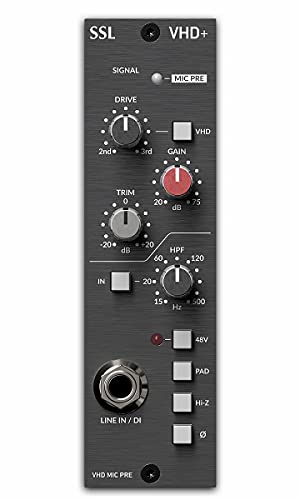
- Clean SSL preamp with optional harmonic drive
- 2nd/3rd-order distortion blends for added color
- 48V phantom, hi-Z switch, and HP filter included
Best For: Engineers who want a clean 500 Series preamp that can also add controllable warmth, bite, or saturation.
Best for Ribbon Mics
Heritage Audio Lang 312L 500 Series Preamp
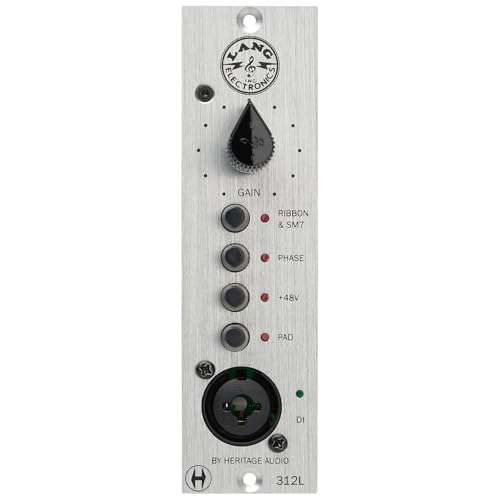
- 90dB gain with built-in +25dB lifter
- Transformer-coupled, punchy API-style tone
- Mic and DI combo input with phantom, pad, and phase
Best For: Engineers who need a high-gain 500 Series preamp for ribbon mics and DI sources.
Best for SSL Clean Compression
SSL SiX CH 500 Series Channel Strip
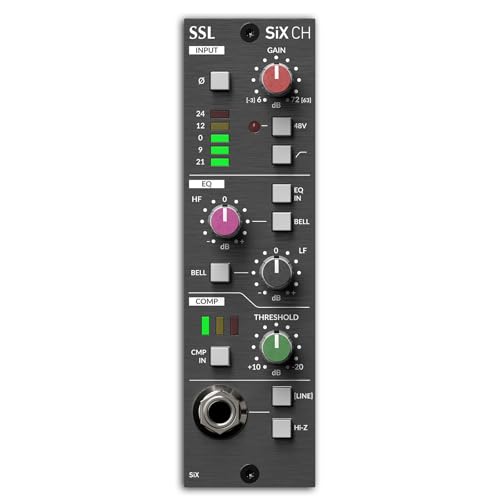
- Clean SuperAnalogue preamp with low-noise gain
- Switchable shelving/bell EQ adds versatility
- Simple one-knob compressor and front-panel Hi-Z input
Best For: Engineers who want a clean, flexible 500-series channel strip with SSL character.
Best for Classic Neve Tone

- 80dB of gain for flexible tracking
- Marinair transformers add rich coloration
- Insert, trim, and phantom power included
Best For: Engineers who want a classic, colored 500 Series preamp for vocals and instruments.
Best for Vintage Color on a Budget
PRE-573 MKIII 500 Series Mic Preamp

- 80 dB of gain for ribbons and quiet sources
- Gain/output controls help add saturation and color
- Includes DI, phantom power, impedance switching, and metering
Best For: Producers who want an affordable, characterful 500-series preamp with plenty of gain.
Best for Front-Panel Flexibility

- Transformer-coupled Jensen mic preamp
- Front combo XLR and ¼" input
- HPF/LPF, pad, phase, Hi-Z, and 48V
Best For: Engineers who want a flexible 500-series preamp with easy front-access I/O and classic character.
Best for Tone Shaping – Cranborne Audio Camden 500
If you want one of the more flexible 500 series api style preamps, the Cranborne Audio Camden 500 is a smart choice thanks to its selectable input impedance, variable coloration, and highpass filter. It covers mic, line, and instrument sources, so it can pull double duty in a compact 500-series rack without locking you into a single sonic flavor.
Best For: Engineers and home studio users who want a versatile 500-series preamp with easy tone control and multiple input options.
Pros:
- Selectable input impedance helps tailor the feel and response of different mics and sources.
- Variable coloration adds everything from clean to more character-driven tones.
- Mic, line, and instrument support makes it useful across recording tasks.
- Built-in highpass filter helps tighten low end at the source.
Cons:
- Requires a 500-series chassis, so it is not a standalone preamp.
- Less appealing if you only want a fixed, ultra-simple “always clean” sound.
For buyers comparing 500 series api style preamps, the Camden 500 stands out for offering more sonic control than a basic utility preamp while still staying practical and easy to use. It is a strong fit if you want one module that can adapt to different mics, sources, and recording styles.
Best for Harmonic Color – SSL 500 Series VHD+ Pre
The Solid State Logic 500 Series VHD+ Pre is a strong pick if you want one of the more flexible 500 series api style preamps alternatives for tracking vocals, drums, and instruments. It starts with SSL’s clean SuperAnalogue path, then adds Variable Harmonic Drive so you can move from transparent gain to deliberate 2nd- or 3rd-order color without changing modules.
Best For: Engineers who want a clean 500 Series preamp that can also add controllable warmth, bite, or heavier saturation on demand.
Pros:
- SSL clean preamp character with optional harmonic drive
- 2nd- and 3rd-order distortion blends for versatile tone shaping
- Includes 48V phantom power, hi-Z input, and HP filter
Cons:
- Not the right choice if you want a fixed, always-colored API-style sound
- Premium feature set may be more than casual home setups need
For buyers comparing 500 series api style preamps, the VHD+ Pre stands out because it can cover both transparent tracking and aggressive drive in one module. That makes it especially useful when you want a practical front-end preamp that can adapt to different sources and sessions.
Best for Ribbon Mics – Heritage Audio Lang 312L 500 Series Preamp
If you want one of the more muscular 500 series api style preamps for vocals, ribbons, and DI sources, the Heritage Audio Lang 312L is built to deliver plenty of gain with a fast, punchy feel. Its 90dB range, transformer-coupled design, and built-in lifter make it a practical choice when you need classic API-flavored attitude in a compact 500 Series slot.
Best For: Engineers who need a high-gain 500 Series preamp that handles ribbon mics and DI sources without extra accessories.
Pros:
- 90dB of gain plus a built-in +25dB lifter for low-output mics
- Transformer-based design with a custom HA-880 op-amp for punchy tone
- XLR/TS combo input works for microphones and instruments
- Includes phantom power, pad, and phase reverse for flexible tracking
Cons:
- Single-channel 500 Series module, so rack space is required
- More specialized than a clean utility preamp if you want transparent capture
For users shopping 500 series api style preamps, the 312L stands out by pairing bold gain with a ribbon-friendly lifter and straightforward front-end controls. It is a strong fit if you want one channel that can cover mic and DI duties while adding some classic console-style weight.
Best for SSL Clean Compression – SSL SiX CH 500 Series Channel Strip
If you want a polished, console-style option among 500 series api style preamps, the SSL SiX CH stands out for its clean SuperAnalogue preamp, flexible EQ, and easy-to-use compressor. It’s a good fit when you need refined tracking and fast workflow rather than heavy coloration.
Best For: Engineers and home studio owners who want a clean, versatile 500-series channel strip with built-in EQ, compression, and hi-Z input for direct instruments.
Pros:
- SuperAnalogue mic pre delivers low-noise, punchy, transparent gain
- Two-band EQ switches between shelving and bell shapes for added flexibility
- Single-knob compressor is simple to dial in but still musically effective
- Front-panel TRS input with Hi-Z mode is handy for guitars and quick overdubs
Cons:
- Not the right choice if you want classic API-style transformer color
- Single-channel design takes up a full 500-series slot
- EQ is useful but not as surgical as more advanced channel strips
This is a strong pick if your priority is SSL clarity and speed inside a 500-series rack. For buyers comparing 500 series api style preamps, the SiX CH is more about polished control and channel-strip convenience than aggressive vintage punch.
Best for Classic Neve Tone – Neve 1073LB 500 Series Preamp
If you want one of the most recognizable 500 series api style preamps alternatives with a true vintage-flavored voice, the Neve 1073LB is a strong fit. It brings the classic 1073-style character into a 500 Series format with plenty of gain, transformer-based coloration, and useful front-panel control for modern studio setups.
Best For: Engineers and producers who want an iconic, colored mic preamp for vocals, guitars, and other sources that benefit from a rich, musical front end.
Pros:
- 80dB of gain gives you ample headroom for a wide range of mics and sources
- Neve Marinair transformers help deliver the thick, harmonically rich sound users expect
- Gain trim, phantom power, and insert functionality add flexibility in a 500 Series rig
Cons:
- Priced above entry-level preamp modules
- More about character than clean transparency
- Requires a 500 Series rack to use
For buyers comparing 500 series api style preamps, this module stands out more for its legendary tone and transformer-driven vibe than for surgical neutrality. It is a smart choice if you want a premium preamp that adds weight, depth, and musical color right at the source.
Best for Vintage Color on a Budget – PRE-573 MKIII 500 Series Mic Preamp
If you want one of the more characterful 500 series api style preamps without spending a fortune, the Golden Age Project PRE-573 MKIII is an easy one to shortlist. It brings plenty of gain, output control, and useful extras like switchable impedance and phantom power, making it a practical fit for project studios that want a bold, colored front end.
Best For: Home and project studios that want an affordable 500-series preamp with vintage-style punch, DI flexibility, and enough gain for ribbons.
Pros:
- Up to 80 dB of gain handles ribbons and low-output dynamics well
- Gain and output controls make saturation easy to dial in
- Includes phantom power, DI, switchable impedance, and an output meter
- Strong value for a character preamp in a 500-series slot
Cons:
- More about vibe and color than ultra-clean transparency
- Requires a 500-series chassis, so total cost is higher than a standalone preamp
The PRE-573 MKIII is a solid fit when you want the flavor of 500 series api style preamps with extra tonal shaping and modern conveniences. It’s not the most neutral option, but for punchy, vintage-leaning recordings at a sensible price, it delivers a lot of appeal.
Best for Front-Panel Flexibility – Harrison 32 Classic PrePlus
The Harrison 500 Series 32 Classic PrePlus is a smart pick for engineers building 500 series api style preamps into a flexible rack setup. It delivers smooth gain, transformer-coupled character, and practical front-panel I/O, making it easy to track mics or instruments without constantly reaching behind the rack.
Best For: Home studios, project studios, and rack users who want a feature-rich preamp with easy front-access control and a bit of color.
Pros:
- Jensen JT-MB-CPCA transformer adds classic analog character
- Front combo XLR/¼" jack makes mic and instrument hookup simple
- Useful extras include 48V, pad, phase, Hi-Z, HPF, and LPF
- Wide 20 dB to 70 dB gain range suits many mic types, including ribbons
Cons:
- More expensive than basic utility preamps
- Front-panel feature set may be more than minimalists need
- Requires a compatible 500 series chassis
This Harrison module stands out in the 500 series api style preamps category by blending usable color with real-world convenience. If you want a preamp that can handle clean capture, ribbon mics, and quick front-panel workflow, it’s a strong all-around choice.
How We Picked These 500 Series Api Style Preamps
We selected modules that cover the most useful ends of the spectrum: clean and open preamps, more colored designs, and units that add extra processing without sacrificing core mic-preamp performance. We also looked for real-world relevance in tracking situations, build quality, and how well each module fits a modern 500-series rack.
Quick Comparison: What Matters Most
When comparing 500 Series Api Style Preamps, think first about tone, then workflow. Some modules are designed to stay transparent and let the microphone and source speak for themselves. Others add harmonic thickness, transformer weight, or edge that can help drums, guitars, and aggressive vocals sit forward in a mix. If you need more than gain alone, channel-strip style modules can be especially practical.
Key Buying Factors for 500 Series Api Style Preamps
Gain and Headroom
Make sure the preamp offers enough clean gain for your quietest sources, especially ribbon mics and softer vocal performances. High headroom is just as important if you track loud drums or bright brass and want to avoid harsh clipping.
Color Vs. Transparency
Not all 500 Series Api Style Preamps behave the same way. Some deliver a punchy, forward sound with noticeable harmonic density, while others aim for cleaner capture with just a touch of character. Choose based on whether you want a tracking tool that shapes tone or one that stays out of the way.
Workflow and Extra Features
Think about whether you want simple mic gain or a more complete front end. Features such as DI input, output trim, EQ, compression, or polarity switch can make a module more versatile, especially in small studios where every rack slot counts.
Rack Compatibility and Channel Count
Confirm your lunchbox or rack has enough power and space for the modules you want to run. If you plan to build a stereo pair, look for matched performance and controls that are easy to replicate between channels.
Who Should Buy Which 500 Series Api Style Preamps?
If you want the most flexible everyday option, choose a clean, well-controlled preamp that can handle a wide range of sources. If you want more character for drums, electric guitars, or rock vocals, a more colored design may be the better fit. Producers who want the fewest pieces of gear per session should lean toward a channel strip, while engineers building a utility-heavy rack may prefer straightforward preamps that are easy to stack in pairs.
For most buyers, the right choice comes down to how much tone shaping you want at the recording stage. The best 500 Series Api Style Preamps are the ones that match your source, your room, and the way you actually work.