Choosing a drum machine for beginners is easier when you know what matters most: simple controls, useful sounds, and a workflow that helps you make beats fast.
In this roundup, we focus on beginner-friendly options for home practice, songwriting, live jams, and first-time beat making without overwhelming menus or steep learning curves.
Best 10 Drum Machine for Beginners Picks for 2026
Classic Studio Workhorse
Alesis SR-16 Standalone Drum Machine
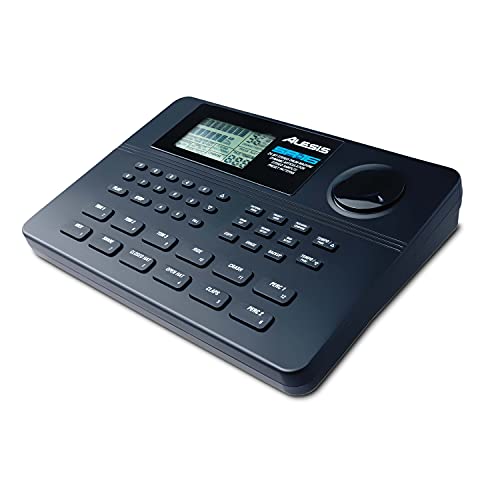
- 233 sounds with 50 preset and 50 user drum kits
- 12 velocity-sensitive pads with Dynamic Articulation
- MIDI support, outputs, effects, and step editing
Best For: Beginners who want a classic, feature-rich drum machine for songwriting and practice
Portable Sound Explorer
Korg Volca Drum Digital Percussion Synthesizer

- Compact design with built-in speaker
- 16-step sequencer for easy pattern programming
- DSP synth engine with Active Step and randomize tools
Best For: Beginners who want a small, portable drum machine with creative sound design tools
Stylus Beat Maker
Stylophone Beat Compact Drum Machine

- Stylus-controlled design is compact and beginner-friendly
- 4 drum kits and 4 bass sounds for quick beat ideas
- Built-in speaker, tempo lock, and multi-pattern recording
Best For: Beginners who want a small, easy-to-use rhythm machine for sketching beats and loops
Beginner Practice Pad
Donner DED-20 Electronic Drum Set

- Quiet silicone pad with built-in stereo speakers
- 40 free drum lessons included for learning support
- MIDI out, USB MIDI out, recording, and headphone output
Best For: Beginners, kids, and home users who want a quiet practice pad with lessons and basic electronic drum features
Portable analog starter
Korg Volca Beats Analog Rhythm Machine

- 16-step sequencer keeps beat-making simple
- Built-in speaker and battery power add portability
- Analog-digital hybrid sound set covers core drum tones
Best For: new users who want an easy portable groove box
Software beat pad controller
Akai MPD218 USB MIDI Pad Controller

- 16 velocity-sensitive MPC pads for finger drumming
- Three banks and 18 knobs add flexible control
- Includes MPC Beats and Ableton Live Lite
Best For: beginners building beats in software on a computer
Portable preset rhythm pad
Medeli MR101S Portable Drum Machine

- 16 touch-sensitive pads keep it approachable
- 100 preset patterns and 48 drum kits add variety
- Foot pedal plus USB-C or battery power improve flexibility
Best For: beginners who want portable preset-based rhythm practice
Easy Pedal Drum Machine for Practicing
MOOER Drum Machine Guitar Pedal with 121 Grooves

- 121 grooves across 11 music styles
- TAP TEMPO and dedicated knobs simplify control
- FILL function and dual-footswitch support
Best For: Guitarists and bass players starting with easy rhythm backing
Pad-Based Beat Maker for New Producers
Donner STARRYPAD MIDI Drum Machine

- 16 backlit pads with 3 banks for 48 assignable pads
- Works with DAWs and includes learning software
- Note Repeat and Tap Tempo support beat creation
Best For: Beginners who want a DAW-friendly pad controller
Simple Analog Groove Box for Learners
Behringer RD-78 Classic Drum Machine

- 15 authentic drum sounds and 34 presets
- 16-step sequencer keeps programming simple
- Compact, durable design for studio or live use
Best For: Beginners who want an intuitive standalone drum machine
Classic Studio Workhorse – Alesis SR-16 Standalone Drum Machine
If you want a drum machine for beginners that still feels like a real studio tool, the Alesis SR-16 is a straightforward place to start. It gives you a large built-in sound set, simple pad-based triggering, and enough MIDI and output options to grow with your setup.
Best For: Beginners who want a classic, feature-rich drum machine for songwriting, practice, and basic production.
Pros:
- Includes 233 professional sounds and 50 preset/50 user drum kits.
- 12 velocity-sensitive pads with Dynamic Articulation for more expressive playing.
- Built-in digital effects, plus sound stacking and step editing for production work.
- MIDI support and multiple outputs make it easy to connect to keyboards, DAWs, and electronic kits.
Cons:
- More studio-oriented than toy-like, so it may feel less immediately simple than tiny beginner boxes.
- Physical size and feature set may be more than some casual users need.
The SR-16 stands out if you want a proven drum machine that can handle beginner use without feeling limited too quickly. It is practical for songwriting and live play, with enough depth to stay useful as your skills improve.
Portable Sound Explorer – Korg Volca Drum Digital Percussion Synthesizer
Korg Volca Drum Digital Percussion Synthesizer w/ 16-step Sequencer and Active Step
Check Price On AmazonThe Korg Volca Drum is a compact option for anyone shopping for a drum machine for beginners who also wants to explore more unusual electronic percussion sounds. Its built-in speaker, 16-step sequencer, and simple performance features make it easy to experiment without a large setup.
Best For: Beginners who want a small, portable drum machine with creative sound design tools.
Pros:
- Compact and portable with a built-in speaker for easy on-the-go use.
- 16-step sequencer keeps programming approachable.
- Six-part DSP synth engine and waveguide resonator offer a wide range of sounds.
- Active Step, Slice, randomize, accent, and choke functions add creative variation.
Cons:
- Less focused on traditional acoustic-style drum kit realism.
- Smaller format may not suit users who want large pads or a full desktop workflow.
This is a strong pick if you want something pocket-sized that still invites hands-on sound shaping. It is especially appealing for beginners who like experimenting and do not need a full-size machine.
Stylus Beat Maker – Stylophone Beat Compact Drum Machine
The Stylophone Beat is a compact drum machine for beginners that keeps the controls simple and hands-on. With stylus input, a built-in speaker, click track support, and pattern recording, it is designed for quick rhythm ideas rather than deep programming.
Best For: Beginners who want a small, easy-to-use rhythm machine for sketching beats and loops.
Pros:
- Compact stylus-based layout makes it approachable and portable.
- Includes 4 drum kits and 4 bass sounds for basic beat building.
- Record multiple layers and multiple patterns for simple arrangement ideas.
- Built-in speaker, volume control, click track, and tempo lock help with practice.
Cons:
- Limited sound set compared with larger drum machines.
- Battery-powered design means you will need 3 AA batteries.
If you want an easy entry point into rhythm making, this one keeps the workflow light and playful. It is a good fit for learning beat structure without dealing with a lot of complex controls.
Beginner Practice Pad – Donner DED-20 Electronic Drum Set
The Donner DED-20 is a beginner-friendly drum option for players who want practice features alongside drum-machine-style sounds. It combines a quiet silicone pad layout, built-in speakers, MIDI connectivity, and included drum lessons, making it practical for learning at home.
Best For: Beginners, kids, and home users who want a quiet practice pad with lessons and basic electronic drum features.
Pros:
- Quiet silicone surface helps reduce noise during practice.
- Includes 40 free drum lessons from Melodics for beginner-to-advanced learning.
- Built-in stereo speakers and 9 volume levels support home use.
- MIDI out, USB MIDI out, recording, and headphone support add flexibility.
Cons:
- Strike force is single and does not respond more strongly to harder hits.
- Larger pad-style design is less like a traditional tabletop drum machine.
This is a smart choice if your main goal is learning and quiet practice rather than classic step-sequencer beat making. The included lessons and headphone support make it especially beginner-friendly for home environments.
Portable analog starter – Korg Volca Beats Analog Rhythm Machine
Korg Volca Beats Analog Rythem Machine w/Electribe-style 16-step Sequencer and Real Analog Sounds
Check Price On AmazonIf you’re looking for a drum machine for beginners, the Korg Volca Beats keeps the learning curve light with a simple 16-step sequencer and minimal sound controls. Its compact size, built-in speaker, and battery option make it easy to experiment with beats anywhere, while the analog-digital hybrid sound set gives you a practical mix of classic drum tones and clap/crash sounds.
Best For: Beginners who want a portable hands-on drum machine with simple sequencing and real analog-style sounds.
Pros:
- Electribe-style 16-step sequencer is intuitive for pattern building
- Minimal parameters make sound creation easier to learn
- Built-in speaker and optional battery power support mobile use
- SYNC and MIDI inputs help it work with other gear or a DAW
Cons:
- Included components are listed as not included
- Compact format may limit hands-on control compared with larger units
- Focused design means fewer advanced editing options
Overall, the Volca Beats is a strong entry point if you want a straightforward drum machine for beginners without giving up real analog character. It favors quick beat-making and portability over deep programming complexity.
Software beat pad controller – Akai MPD218 USB MIDI Pad Controller
For anyone shopping for a drum machine for beginners, the Akai MPD218 is a more controller-focused option that helps you trigger drums and samples from software. The 16 thick MPC pads, three pad banks, and assignable knobs make it a practical way to start learning beat production on a computer, especially if you want hands-on control without a dedicated standalone sequencer.
Best For: Beginners who want to make beats in software with a compact pad controller and included production tools.
Pros:
- 16 velocity-sensitive MPC pads feel responsive for finger drumming
- Three pad banks expand control to 48 assignable pads
- 18 assignable knobs offer useful DAW and plugin control
- Includes Ableton Live Lite, Drum Synth 500, and MPC Beats software
Cons:
- Requires a computer or iOS setup to make full use of it
- Does not produce standalone drum sounds on its own
- Best suited to software-based workflows rather than all-in-one hardware use
The MPD218 is a smart choice if you want an affordable way to learn beat programming with pads and software. It is less of a standalone drum machine and more of a beginner-friendly gateway into computer-based production.
Portable preset rhythm pad – Medeli MR101S Portable Drum Machine
The Medeli MR101S is a useful pick if you want a drum machine for beginners with a simple touch-pad layout and hands-free flexibility. With 16 touch-sensitive finger pads, 48 drum kits, and 100 preset patterns, it gives you plenty to explore right away, while the included foot pedal and USB-C or battery power options make it easy to adapt to different practice setups.
Best For: Beginners who want a portable drum machine with preset patterns and foot-pedal convenience.
Pros:
- 16 touch-sensitive finger pads offer an easy entry point
- 100 preset drum patterns provide instant ideas to play with
- Included foot pedal adds hands-free flexibility
- USB-C or battery power supports portable practice
Cons:
- White finish may not suit every setup preference
- Details are limited compared with more fully specified models
- May appeal more to casual users than deep programmers
As a beginner-friendly portable option, the MR101S focuses on easy access and practical playability. It is a good match if you want straightforward pads, preset rhythms, and flexible power without a complicated setup.
Easy Pedal Drum Machine for Practicing – MOOER Drum Machine Guitar Pedal with 121 Grooves
If you want a drum machine for beginners that feels immediate and practical, this MOOER pedal keeps the learning curve low. It gives you 121 drum grooves across 11 music styles, plus quick controls for speed, genre, level, and pattern so you can build backing beats without menu diving.
Best For: Guitarists and bass players who want an easy-to-use drum backing pedal for practice, songwriting, or simple live support.
Pros:
- 121 built-in grooves across 11 genres give beginners plenty of starting points.
- Dedicated knobs and TAP TEMPO make it fast to adjust without complicated setup.
- FILL function and dual-footswitch support add helpful live beat changes.
- Stereo I/O and editor software provide room to grow as your needs expand.
Cons:
- It is a pedal-based drum machine, so it is best suited to guitar and bass setups.
- The richer editing features may be more than a true plug-and-play beginner needs.
This is a strong pick if you want a straightforward rhythm companion that stays focused on playing, not programming. For beginners, the mix of preset grooves, fast tempo control, and simple hands-on knobs makes it easy to start using right away.
Pad-Based Beat Maker for New Producers – Donner STARRYPAD MIDI Drum Machine
For a drum machine for beginners who want to make beats on a computer, this Donner pad controller is a flexible starting point. It uses 16 backlit pads, extra faders and knobs, and plug-and-play USB MIDI so you can trigger sounds in your DAW without learning a complicated hardware sequencer first.
Best For: New beatmakers and producers who want an affordable pad controller for DAW-based drum programming.
Pros:
- 16 soft silicone pads with 3 banks give you up to 48 assignable pads.
- Velocity sensitivity curves, Note Repeat, and Tap Tempo help with expressive beat making.
- USB-C class-compliant connection makes setup straightforward on supported devices.
- Includes Melodics courses and Cubase LE software kit for learning and production.
Cons:
- It does not make sound on its own; you need DAW software to hear it.
- iPhone and iPad use requires a separate Lightning to USB adapter.
This is best if you want to learn beat-making inside software rather than on a standalone box. The pad layout, extra controls, and included learning tools make it especially approachable for beginners building their first workflow.
Simple Analog Groove Box for Learners – Behringer RD-78 Classic Drum Machine
If you want a drum machine for beginners that feels closer to a classic groove box, the Behringer RD-78 is built around simplicity. It offers 15 authentic drum sounds, 34 rhythm presets, and a 16-step sequencer, giving you enough tools to start programming beats without a steep setup process.
Best For: Beginners who want a straightforward analog-style drum machine for music production or live use.
Pros:
- 15 drum sounds and 34 rhythm presets provide immediate beat options.
- 16-step sequencer makes hands-on programming accessible.
- Simple, intuitive interface is designed for beginners and professionals alike.
- Compact, durable build supports studio and live use.
Cons:
- It focuses on core drum machine functions rather than advanced features.
- Users looking for deep sound design may want a more expandable unit.
This is a solid choice if you prefer a self-contained machine that teaches the basics through a direct workflow. The preset rhythms and easy sequencer make it a practical entry point into classic drum programming.
How We Picked the Best Drum Machine for Beginners
We looked for models that make it easy to start playing right away, with clear interfaces, practical rhythm tools, and features that match real beginner needs. That means considering sound quality, sequencing simplicity, portability, learning curve, and whether the unit is better for practice, performance, or music production.
For a Drum Machine for Beginners, the best choice is usually the one that reduces setup time and encourages experimentation. Extra features are helpful only if they do not get in the way of making your first beats.
Quick Comparison
Some options are built for hands-on pad triggering, others for classic drum-machine sequencing, and some work best as compact groove tools for guitarists or desktop producers. If you want traditional rhythm patterns, choose a preset-focused unit. If you want to learn beat programming, look for a sequencer with straightforward step entry. If portability matters most, a smaller battery-friendly or compact design is often the better fit.
Key Buying Factors for a Drum Machine for Beginners
Ease of Use
Look for an intuitive layout, clearly labeled controls, and a workflow that lets you create a beat without reading a manual for hours.
Sound Variety
A good starter unit should offer enough drum voices and patterns to stay inspiring, but not so many options that it becomes confusing.
Sequencer and Timing Tools
Simple step sequencers, tap tempo, and fill functions are especially helpful because they teach rhythm programming while keeping things approachable.
Portability and Practice Use
If you plan to practice away from a studio, consider size, power options, built-in speakers, headphone support, and durability. A compact model can be ideal for beginners who want to experiment anywhere.
Connections and Expansion
MIDI, USB, and audio outputs matter if you expect to grow into recording or software-based production later. If you only need straightforward beat making, keep the setup as simple as possible.
Who Should Buy Which Drum Machine for Beginners?
If you want classic drum-machine sounds and easy pattern playback, a preset-style unit is often the best starting point. If you prefer hands-on performance and software integration, pad controllers and MIDI beat makers offer a smoother path into production. Guitarists and bass players may like pedal-style rhythm units for practice and songwriting. For kids, casual users, or portable home practice, compact all-in-one options can deliver the simplest learning experience.
Overall, the best Drum Machine for Beginners is the one that matches your workflow now and still leaves room to grow later. Start with the format you will actually use, then choose the feature set that keeps beat making fun, fast, and frustration-free.