The best dynamic microphones help keep vocals clear while reducing room noise, background distractions, and unwanted bleed. That makes them a practical choice for live performance, podcasting, streaming, gaming, and home recording.
This roundup compares 10 standout models, including dependable XLR stage mics, flexible USB/XLR options, and broadcast-focused designs. Use the guide below to narrow your choice by setup, sound, features, and budget.
Best 10 Dynamic Microphones Picks for 2026
Industry Standard
Shure SM58 Pro XLR Vocal Microphone

- Focused cardioid vocal pickup
- Built-in pop and wind protection
- Rugged metal construction
Best For: Live vocals, recording, podcasting, and touring
Simple Stage Pick
Sennheiser XS 1 Handheld Dynamic Microphone

- Cardioid handheld design
- Silent mute switch
- Includes clip and carrying pouch
Best For: Singing, speech, karaoke, and basic stage setups
Flexible Creator Mic
FIFINE AmpliGame AM8 USB/XLR Dynamic Microphone

- USB plug-and-play recording
- Upgradeable XLR connectivity
- Mute, monitoring, gain, and RGB in USB mode
Best For: Gaming, streaming, podcasting, and beginner creator setups
Broadcast Desk Choice
RØDE PodMic Cardioid Dynamic Microphone

- Speech-tuned broadcast capsule
- Internal pop filter and shock mounting
- All-metal body with swing mount
Best For: Podcasting, streaming, and broadcast speech with XLR gear
Studio Voice Specialist
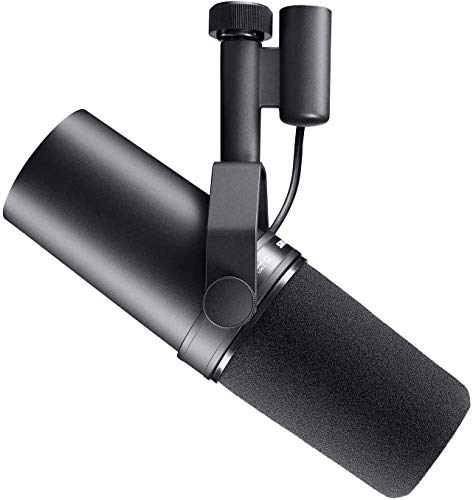
- Warm, balanced vocal capture
- Cardioid isolation and pop filtering
- Requires XLR and substantial gain
Best For: Podcasting, streaming, voiceover, and studio vocals
Stage-Ready Vocal Workhorse

- Clear, natural vocal response
- Supercardioid feedback resistance
- Rugged handheld XLR design
Best For: Live singing, speech, and touring performance
Flexible USB/XLR Creator Pick

- USB-C and XLR connectivity
- APHEX DSP over USB
- Zero-latency headphone monitoring
Best For: Podcasting, streaming, gaming, and voiceovers
Stage Vocal Classic

- Cardioid pickup for focused vocal capture
- Rugged design with plosive and handling-noise reduction
- Wired XLR connection with integrated on/off switch
Best For: Live vocals, presentations, and rehearsals
Budget Stage Workhorse

- 15-foot cable included
- Cardioid pickup helps reduce noise and feedback
- Rugged body with built-in pop filter
Best For: Budget stage, karaoke, and instrument use
Connected Podcast Upgrade

- USB-C and XLR connectivity
- Auto level and real-time denoising
- LED touch panel with mute and monitoring
Best For: Podcasting, streaming, and flexible home recording
Industry Standard – Shure SM58 Pro XLR Vocal Microphone
The Shure SM58 remains a dependable choice among dynamic microphones for singers, presenters, and creators who need focused vocal pickup. Its cardioid pattern, integrated pop protection, and rugged metal construction make it well suited to demanding live and studio use, though it requires an XLR connection.
Best For: Live vocals, podcasting, recording, and performers who prioritize proven durability.
Pros:
- Cardioid pickup helps minimize background noise and feedback.
- Warm, articulate vocal response with a subtle midrange lift.
- Built-in grille and filter reduce plosives, breath, and wind noise.
- Rugged metal body and reinforced stand adapter support road use.
Cons:
- XLR-only connectivity requires an audio interface, mixer, or compatible device.
- Designed primarily for handheld use rather than feature-rich desktop streaming.
The SM58 is a practical long-term pick if you want consistent vocal sound and a microphone built for repeated use. Its straightforward XLR design is especially appealing for established recording or live rigs.
Simple Stage Pick – Sennheiser XS 1 Handheld Dynamic Microphone
The Sennheiser XS 1 is one of the more straightforward dynamic microphones for singing and speech. It combines a unidirectional cardioid pattern with a silent mute switch and 3-pin XLR connection, making it a practical option for basic vocal, karaoke, and stage setups.
Best For: Singers, presenters, karaoke users, and buyers seeking a simple handheld XLR microphone.
Pros:
- Cardioid pattern focuses on the performer’s voice.
- Silent mute switch is convenient during live use.
- Metal enclosure supports regular handling.
- Includes a mic clip and carrying pouch.
Cons:
- Requires an XLR-compatible amplifier, mixer, or interface.
- Supplied notes provide less detail about frequency response than some alternatives.
The XS 1 keeps the feature set focused on the essentials. Choose it when you want a recognizable brand, handheld form factor, and useful mute function without needing USB controls or onboard effects.
Flexible Creator Mic – FIFINE AmpliGame AM8 USB/XLR Dynamic Microphone
The FIFINE AmpliGame AM8 stands out among dynamic microphones by offering both direct USB operation and upgradeable XLR connectivity. It is aimed at streamers and podcasters who want plug-and-play recording, headphone monitoring, tap-to-mute control, adjustable gain, and RGB lighting, while still having a path to an audio interface.
Best For: Beginner streamers, gamers, podcasters, and creators who want USB convenience with future XLR flexibility.
Pros:
- USB connection supports direct computer use without an interface.
- XLR connection allows integration with a mixer or audio interface.
- USB mode includes tap-to-mute, headphone monitoring, gain control, and RGB.
- Cardioid pickup and included windscreen help limit unwanted ambient sound.
Cons:
- XLR cable is not included.
- RGB and onboard controls are inactive when using XLR.
- Recommended recording distance is relatively close at 2 to 6 inches.
The AM8 is a strong fit for a changing creator setup. USB mode makes it accessible for beginners, while XLR connectivity provides a useful upgrade route; just remember that several convenience features work only over USB.
Broadcast Desk Choice – RØDE PodMic Cardioid Dynamic Microphone
The RØDE PodMic is a broadcast-focused option among dynamic microphones, using a speech-tuned capsule and cardioid pickup to help reject room noise. Its internal pop filter, shock mounting, integrated swing mount, and all-metal body make it especially suited to desk-based podcasting and streaming with an XLR interface or mixer.
Best For: Podcasting, broadcast speech, and streaming in untreated rooms with an XLR setup.
Pros:
- Broadcast-oriented dynamic capsule is tuned for speech.
- Cardioid pattern helps reject room noise.
- Internal pop filter and shock mounting address plosives and desk thumps.
- All-metal construction with an integrated swing mount.
Cons:
- Requires an XLR interface or mixer; it is not a USB microphone.
- Its 937 g weight may be substantial for some mounting arms.
- Less suited to users seeking a handheld vocal microphone.
The PodMic makes the most sense as the centerpiece of a dedicated speech setup. It offers useful built-in protection and a sturdy desk-oriented design, but buyers need compatible XLR hardware to use it.
Studio Voice Specialist – Shure SM7B
The Shure SM7B is a premium choice among dynamic microphones for creators who want warm, balanced vocals and detailed control through an XLR setup. Its cardioid pattern, shielding, built-in pop filtering, and rugged metal construction make it well suited to close-mic recording, podcasting, streaming, and broadcast work.
Best For: Podcasters, streamers, voiceover artists, singers, and studio users with an audio interface or mixer.
Pros:
- Warm, natural vocal response with a wide 50 Hz–20 kHz frequency range.
- Cardioid pickup, air suspension, and electromagnetic shielding help reduce room noise, vibration, and hum.
- Built-in pop filtering and included windscreens help control plosives and breath noise.
- Durable all-metal design with a locking yoke mount.
Cons:
- Its XLR-only connection requires an interface or mixer.
- At least 60 dB of gain is recommended for the characteristic tone, so a suitable preamp may be necessary.
- It weighs 2.7 pounds and is relatively large for a desktop setup.
The SM7B is a refined, broadcast-ready option for buyers prioritizing vocal smoothness, isolation, and long-term durability. Plan for adequate gain and an XLR signal chain before choosing it.
Stage-Ready Vocal Workhorse – sE Electronics V7
The sE Electronics V7 is a practical handheld pick among dynamic microphones for live singers, presenters, and recording setups. Its supercardioid pattern emphasizes isolation and gain before feedback, while the aluminum voice coil is designed to deliver clear, natural vocals.
Best For: Live vocalists, speakers, touring performers, and home or studio users who prefer a handheld XLR microphone.
Pros:
- Supercardioid pickup helps isolate vocals and provides substantial gain before feedback.
- All-metal housing and a spring-steel grille are built for demanding stage use.
- Internal shockmount reduces rumble and handling noise.
- Switchable internal windscreen helps reduce wind noise and plosive pops.
Cons:
- It uses an XLR connection, so a compatible interface, mixer, or preamp is required.
- The supercardioid pattern requires careful positioning for consistent vocal pickup.
- It is primarily a handheld microphone rather than a USB desktop solution.
The V7 stands out when durability, feedback resistance, and clear live vocals matter more than built-in USB features. Its included clip, thread adapter, and carrying pouch make it ready for mobile performance use.
Flexible USB/XLR Creator Pick – RØDE PodMic USB
The RØDE PodMic USB is one of the most flexible dynamic microphones for podcasting, streaming, and voice work because it combines USB-C and XLR connectivity. Its speech-focused capsule helps reject keyboard noise and room echo, while onboard APHEX DSP and zero-latency headphone monitoring add useful control over USB.
Best For: Podcasters, streamers, gamers, and creators who want both plug-and-play USB recording and an upgrade path to XLR equipment.
Pros:
- USB-C and XLR outputs support computers, tablets, interfaces, mixers, and other compatible setups.
- Built-in APHEX DSP provides compression and presence processing over USB.
- Speech-oriented dynamic capsule helps reduce keyboard clatter and room echo.
- Zero-latency headphone monitoring and an included swing mount improve usability.
Cons:
- It is optimized for speech applications rather than a general-purpose vocal or instrument microphone.
- DSP features are available over USB, so they do not provide the same function in an XLR-only chain.
- The metal body weighs 1.9 pounds and may need a sturdy mounting arrangement.
The PodMic USB is a strong choice for creators who want a simple laptop connection now without giving up XLR flexibility later. Its monitoring and speech-focused processing make it especially convenient for solo podcast and streaming setups.
Stage Vocal Classic – Shure SM58S with Switch
The Shure SM58S is one of the most established dynamic microphones for singers, speakers, and live performers. Its cardioid pickup pattern helps reject off-axis noise, while the integrated on/off switch adds convenient muting between songs, speakers, or rehearsal takes.
Best For: Live vocals, presentations, rehearsals, houses of worship, and users who want a proven wired XLR microphone with a switch.
Pros:
- Focused cardioid pickup helps isolate vocals from instruments, monitors, and crowd noise.
- Tuned vocal response provides a clear, warm, present sound.
- Hardened grille and internal filtering help reduce plosives, breath noise, and handling sounds.
- Includes an on/off switch, stand adapter, storage bag, and two-year limited warranty.
Cons:
- Requires a wired XLR connection and compatible mixer or PA equipment.
- Designed primarily for vocal use rather than USB plug-and-play recording.
The SM58S is a dependable choice when consistent live vocal performance matters more than extra connectivity or onboard effects. Its familiar cardioid design and physical mute switch make it especially practical for stage and presentation setups.
Budget Stage Workhorse – Pyle PDMIC58 Dynamic Mic
The Pyle PDMIC58 is a straightforward dynamic microphone for buyers who need an affordable wired option with a cable included. Its unidirectional cardioid pattern, metal construction, and built-in pop filter suit basic stage, karaoke, studio, and amplified-instrument applications.
Best For: Budget-conscious singers, karaoke setups, stage use, amplified instruments, and beginners who need a microphone and 15-foot cable together.
Pros:
- Includes a 15-foot XLR-to-1/4-inch cable for a ready-to-use setup.
- Cardioid pickup helps minimize background noise and feedback.
- Rugged zinc-alloy body and steel mesh windscreen are built for demanding use.
- Built-in pop filter and passive design require no batteries.
Cons:
- Uses a 600-ohm impedance, which may be less versatile than some alternatives.
- Does not include an on/off switch.
- Its listed frequency response ends at 15 kHz.
This Pyle model offers useful basics without requiring additional microphone accessories at the outset. It is a practical pick for casual performance and karaoke setups where included cabling and rugged construction are priorities.
Connected Podcast Upgrade – Shure MV7+ USB-C/XLR
The Shure MV7+ is a flexible dynamic microphone for podcasting, streaming, recording, and video calls. USB-C connectivity supports a plug-and-play computer setup, while XLR output allows integration with an audio interface or mixer; onboard processing adds auto level, denoising, reverb, and touch controls.
Best For: Podcasters, streamers, remote creators, and users who want both convenient USB recording and an upgrade path to XLR equipment.
Pros:
- USB-C and XLR outputs support computers, mobile devices, mixers, and audio interfaces.
- Auto Level Mode adjusts gain based on distance and volume.
- Real-time denoising helps reduce background noise.
- Full-color LED touch panel provides level monitoring and tap-to-mute control.
Cons:
- At 1.9 pounds, it is heavier than a basic handheld dynamic microphone.
- Its listed frequency range is 50 Hz to 16 kHz.
- The added processing and LED controls may be unnecessary for simple live vocal setups.
The MV7+ stands out among dynamic microphones for creators who want a modern USB workflow without giving up XLR flexibility. Its onboard controls and processing are particularly useful when recording in variable home or streaming environments.
How We Picked the Best Dynamic Microphones
We focused on microphones with strong reputations for vocal clarity, useful noise rejection, durable construction, and dependable performance in real-world setups. The selection covers several use cases, including live singing, podcasting, streaming, gaming, studio speech, and general recording.
We also considered connection type and setup flexibility. XLR microphones suit audio interfaces and mixers, while USB models connect directly to a computer. Dual-output microphones can bridge both approaches, making them useful for buyers who may upgrade their setup later.
Quick Comparison
| Best For | Recommended Type | Connection |
|---|---|---|
| Live vocals | Rugged handheld dynamic microphone | XLR |
| Podcasting and broadcast speech | Close-range broadcast microphone | XLR, USB, or both |
| Streaming and gaming | Desktop-friendly dynamic microphone | USB/XLR |
| Home recording | Detailed vocal microphone with strong room rejection | XLR or USB/XLR |
| Simple computer setup | Plug-and-play USB dynamic microphone | USB |
Key Buying Factors for Dynamic Microphones
Connection and Compatibility
Choose XLR if you already use an audio interface, mixer, or professional recording chain. USB is simpler for direct computer recording and streaming. A USB/XLR model offers the most flexibility, but may cost more and require additional desk space or accessories.
Pickup Pattern and Room Noise
Cardioid and supercardioid Dynamic Microphones generally focus on sound from the front while reducing pickup from the sides and rear. Proper positioning still matters: keep the microphone close, aim it toward your mouth, and place noisy equipment outside its strongest pickup area.
Output Level and Gain
Some broadcast-style microphones need substantial clean gain. Check that your interface, mixer, or USB system can provide enough input level without excessive hiss. If you use a lower-powered interface, a microphone with stronger output or an appropriate inline preamp may be easier to operate.
Handling, Mounting, and Accessories
For stage use, prioritize a sturdy handheld body and effective handling-noise control. For desk recording, check whether a stand, boom arm, shock mount, pop filter, or windscreen is included or required. A built-in mute button or on/off switch can also be valuable for live and streaming workflows.
Who Should Buy Which Dynamic Microphones?
Choose a Stage-Focused Handheld Model
Singers, presenters, and event performers should look for a rugged XLR microphone with reliable feedback resistance and clear midrange presence. A physical switch is useful when you need quick mute control.
Choose a USB/XLR Model
Streamers, gamers, and creators who want an easy start with room to grow should consider a dual-connection microphone. USB keeps setup simple today, while XLR supports a future interface or mixer upgrade.
Choose a Broadcast-Style Microphone
Podcasters and voice-focused creators should prioritize close-range speech clarity, plosive control, and comfortable mounting. Confirm that your boom arm can support the microphone and that your interface supplies adequate gain.
Choose a Flexible Premium Option
Buyers recording regularly or sharing one microphone across podcasting, streaming, and vocals may benefit from a versatile model with both USB and XLR outputs, onboard controls, and a refined voice-focused response.