The right door seal can make a studio more comfortable by limiting drafts, dust, hallway noise, and unwanted light around the door. Removable options are especially useful for renters, temporary recording spaces, and rooms that need flexible acoustic treatment.
This roundup compares foam tape, silicone, kerf-fit, D-shaped, Q-shaped, and under-door blocker designs so you can match the seal to your door gap, installation needs, and sound-control goals.
Best 10 Removable Studio Door Seals Picks for 2026
Flexible Adhesive Seal
33FT EVA Foam Weather Stripping

- 33 feet of cut-to-fit EVA foam
- Mesh adhesive for firm attachment
- Helps reduce drafts, sound, and light
Best For: Versatile studio and household gap sealing
Reusable Under-Door Blocker

- Fits doors 30–36 inches wide
- Slides in without tools or glue
- Removes and reuses without residue
Best For: Rental-friendly under-door noise and draft control
Clean Push-In Seal

- 26 feet of Q-shaped foam seal
- Pushes into 0.35–0.59-inch slots
- Blocks drafts, light, dust, and noise
Best For: Compatible kerf-slot studio doors
Wide-Gap Adhesive Seal

- 1.8-inch-wide strip for gaps up to 1.2 inches
- 33 feet for multiple openings
- Helps block drafts, dust, noise, and light
Best For: Larger studio door and window gaps
Clear Adhesive Pick

- Clear silicone finish
- 20-foot roll
- Fits gaps up to 1/2 inch
Best For: Discreet adhesive sealing around studio doors and windows
Kerf-Fit Replacement
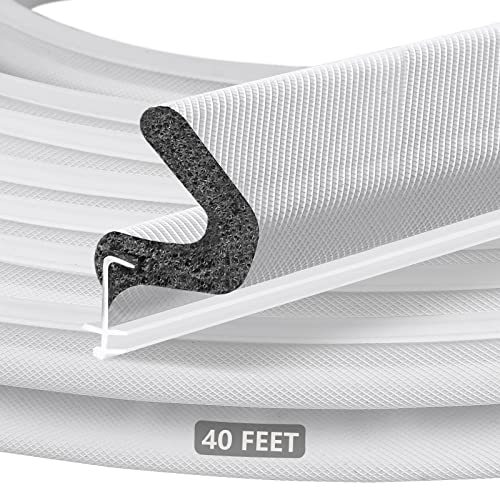
- Press-in kerf installation
- 40-foot roll
- Fits 1/4–1/2-inch gaps
Best For: Grooved studio door frames needing a non-adhesive replacement
Flexible Foam Option

- Flexible EVA foam
- Mesh adhesive backing
- Waterproof and insulating
Best For: Indoor studio doors needing flexible gap filling and cushioning
Wide-Gap Versatility

- 33 feet across two rolls
- Covers gaps up to 1.2 inches
- Flexible, multipurpose TPE strip
Best For: Larger or uneven interior door gaps
Quiet Foam Fit
16-Foot High-Density Door Tape

- 1/2-inch by 1/4-inch foam profile
- Helps minimize noise infiltration
- Peel-and-stick installation
Best For: Narrow studio door-frame gaps
Flexible Adhesive Seal – 33FT EVA Foam Weather Stripping
For removable studio door seals that can cover irregular gaps, this 33-foot EVA foam weatherstrip offers a cut-to-fit adhesive option. Its flexible construction is suited to doors, windows, and other surfaces where draft, sound, or light reduction is useful.
Best For: Studios and homes needing a versatile adhesive seal for varied gap sizes and applications.
Pros:
- 33 feet of flexible, cut-to-size sealing material.
- Upgraded mesh adhesive is designed for firm attachment.
- Supports draft reduction, sound insulation, light blocking, and cushioning.
- Suitable for doors, windows, ventilation openings, cars, RVs, and more.
Cons:
- Adhesive installation is less convenient if you want a fully residue-free, reusable seal.
- Application requires measuring and trimming the strip to fit.
This is a strong general-purpose choice when studio door gaps vary or you also want one seal for other household projects. Consider a push-in design instead if avoiding adhesive is your priority.
Reusable Under-Door Blocker – Adjustable Velvet Door Seal
For removable studio door seals, this adjustable velvet blocker provides a tool-free alternative to adhesive strips. It slides into place beneath doors from 30 to 36 inches wide and can be removed and reused without leaving residue.
Best For: Renters, studios, and active households that need a reusable under-door barrier against drafts, light, and noise.
Pros:
- Slides into place without tools or glue.
- Adjusts to doors measuring 30–36 inches wide.
- Designed to block cold air, noise, light, dust, odors, and drafts.
- Can be removed and reused without adhesive residue.
Cons:
- Limited to doors within the stated 30–36-inch width range.
- Designed for the bottom of the door rather than the full frame.
This is the most convenient option for temporary or rental-friendly sound and draft control. Its no-glue installation makes it particularly practical when you need to remove the seal frequently.
Clean Push-In Seal – Q-Shaped Kerf Foam Strip
This Q-shaped kerf strip is a practical choice for removable studio door seals when the door already has a compatible groove. The 26-foot foam seal pushes into slots measuring 0.35 to 0.59 inches, avoiding adhesive and making replacement straightforward.
Best For: Doors with compatible kerf slots where you want a secure, adhesive-free frame seal.
Pros:
- No adhesive means no sticky residue or adhesive preparation.
- Fits slots from 0.35 to 0.59 inches; verify the groove before ordering.
- High-density foam helps block light, drafts, dust, water, and noise.
- 26 feet provides material for a substantial door frame installation.
Cons:
- Requires a compatible recessed slot, so it is not a universal surface-mount option.
- Measuring the existing groove is necessary before purchase.
Among these removable studio door seals, this is a strong fit for purpose-built kerf-style doors. It offers a cleaner installation than adhesive tape, provided your door frame matches the specified slot range.
Wide-Gap Adhesive Seal – 33Ft Wide Draft Stopper
For removable studio door seals intended to cover larger gaps, this 33-foot, 1.8-inch-wide TPE strip is designed for gaps up to 1.2 inches. It uses adhesive backing and can be trimmed for doors, windows, closets, and other household openings.
Best For: Larger door or window gaps where a wide, adhesive-backed strip is more suitable than a narrow seal.
Pros:
- Wide profile accommodates gaps up to 1.2 inches.
- 33 feet covers multiple frames or openings.
- Helps reduce drafts, heat loss, cold air, wind, dust, insects, and noise.
- Can also be used for shower door bottoms and glass door edges.
Cons:
- Adhesive installation is not as easily removable as a slide-in design.
- Notes recommend warming the adhesive with a hair dryer for optimal bonding.
- It may be wider than necessary for smaller, precisely fitted gaps.
This option stands out when the studio door has a substantial gap and you want extra coverage from a single roll. Choose it only after confirming the surface can accept adhesive and the 1.8-inch width suits the installation.
Clear Adhesive Pick – Elvone Silicone Door Seal
For removable studio door seals, the Elvone silicone strip is a straightforward option for smaller frame gaps. Its clear, self-adhesive design trims with scissors and is intended to block drafts, dust, bugs, and some noise without tools.
Best For: Studio doors, windows, and other frames where a discreet, adhesive seal is preferred.
Pros:
- Clear silicone finish blends with white or glass doors.
- 20-foot roll covers approximately two to three standard doors.
- Peel-and-press installation requires no tools.
- Designed for gaps up to 1/2 inch.
Cons:
- Adhesive installation may be less suitable for surfaces that must remain completely untouched.
- The 1-inch-wide strip may not suit every door-frame configuration.
This is a practical removable studio door seal when a low-visibility appearance and quick installation matter most. Measure the frame gap and confirm the surface can accept adhesive before ordering.
Kerf-Fit Replacement – Litaibai 40 ft Door Seal
For removable studio door seals on a compatible grooved frame, the Litaibai kerf strip offers a press-in replacement rather than an adhesive installation. It is designed for 1/8-inch kerf slots and closed gaps from 1/4 to 1/2 inch.
Best For: Studio or exterior doors with a pre-cut kerf groove and worn, cracked, compressed, or pet-damaged seals.
Pros:
- Press-in installation avoids adhesive residue.
- 40-foot roll can be cut for multiple doors.
- PE-covered PU foam compresses and rebounds for a snug seal.
- Helps reduce drafts, light leaks, outside noise, and energy loss.
Cons:
- Not self-adhesive and unsuitable for frames without a 1/8-inch kerf slot.
- Requires measuring, cutting, and cleaning the existing groove.
This is the more installation-specific choice for removable studio door seals. Verify the frame has the required kerf slot and measure the closed gap before purchasing.
Flexible Foam Option – 33 ft EVA Seal Tape
For removable studio door seals that also provide cushioning, this EVA foam tape combines a self-adhesive backing with a flexible, wider strip. It can be cut to size for door frames and windows and is intended to help with insulation, sound reduction, light blocking, and gap filling.
Best For: Indoor studio doors and frames with larger or irregular gaps where flexible foam and multipurpose protection are useful.
Pros:
- Mesh-backed adhesive is designed for stronger, longer-lasting adhesion.
- Flexible EVA foam can be cut to different lengths and sizes.
- Waterproof material provides insulation, sound reduction, and cushioning.
- 33-foot roll also suits windows, AC units, cars, RVs, and garages.
Cons:
- Foam construction may be more visible than a clear silicone seal.
- Self-adhesive installation is not ideal for surfaces where adhesive should be avoided.
- The supplied notes do not specify a maximum gap size.
This EVA strip is a versatile removable studio door seal when flexibility and cushioning are priorities. Check the strip’s fit against the gap and test the adhesive on the intended surface before full installation.
Wide-Gap Versatility – Holikme 1.8-Inch Door Seal
For removable studio door seals, this flexible TPE strip is a practical choice when you need broad coverage for uneven gaps. Its 1.8-inch width can seal gaps up to 1.2 inches and may also help reduce drafts, dust, smoke, insects, and light leaks.
Best For: Interior doors, windows, sliding doors, and larger or uneven gaps where wide coverage is useful.
Pros:
- Two rolls provide 33 feet of total sealing material.
- Flexible design conforms to uneven door gaps and frames.
- Clear adhesive backing supports peel-and-stick installation.
- Can also be used on shower glass door bottoms to reduce splashes.
Cons:
- The wide 1.8-inch profile may be more material than needed for narrow studio door-frame gaps.
- Surface preparation is important for reliable adhesion.
Choose this option when coverage and versatility matter more than a discreet, narrow profile. Clean the surface thoroughly and follow the supplied hair-dryer tip to help strengthen the bond.
Quiet Foam Fit – 16-Foot High-Density Door Tape
This high-density foam tape is a straightforward option for removable studio door seals when the gap is relatively narrow. Measuring 1/2 inch by 1/4 inch, it is designed for door frames and windows while also helping minimize drafts, noise, and energy loss.
Best For: Narrow door-frame or window gaps where an adhesive foam strip and added sound reduction are priorities.
Pros:
- High-density foam helps create a thermal and weather barrier.
- May reduce noise infiltration as well as drafts and leaks.
- Adhesive backing makes installation simple without specialized tools.
- Versatile enough for both doors and windows.
Cons:
- At 16 feet, it provides less material than the other listed options.
- Foam construction may be less suitable for larger gaps than a wider flexible strip.
This is a sensible pick for a studio door with a modest, consistent gap. Its compact foam profile and soundproofing-focused design make it especially useful when reducing everyday noise infiltration is part of the goal.
Compact Frame Seal – Black D-Shaped TPE Strip
For removable studio door seals with common, narrow frame gaps, this black D-shaped strip offers a compact 3/8-inch-by-1/4-inch fit. The thickened TPE construction is designed to rebound after compression while helping limit drafts, dust, noise, and light entry.
Best For: Common door-frame and window gaps where a black, narrow profile and firm adhesive are preferred.
Pros:
- 20-foot roll provides useful coverage for everyday sealing projects.
- D-shaped profile is sized for common gaps.
- Thickened TPE resists easy deformation and offers stable rebound.
- Adheres to wood, metal, glass, and some plastic surfaces after cleaning.
Cons:
- The 3/8-inch width is intended for common gaps, not large openings.
- Black color may be more noticeable on light-colored frames.
This strip is a strong fit when you want a more targeted seal around a standard studio door frame. Its compact dimensions avoid the bulk of wider tape while addressing airflow, dust, noise, and light gaps.
How We Picked These Removable Studio Door Seals
We focused on products that can address common studio door problems without requiring major modifications to the frame. The selection includes adhesive weatherstripping, press-fit kerf seals, compression profiles, and adjustable under-door blockers. We considered material, stated dimensions, installation method, flexibility, coverage length, and suitability for doors, windows, and other interior gaps.
Because weatherstripping is not the same as professional acoustic isolation, these products are best viewed as practical gap-management tools. Sealing air paths can help reduce drafts and some sound leakage, but results depend on the door, frame, threshold, walls, and surrounding construction.
Quick Comparison
| Seal Type | Best For | Installation | Main Advantage |
|---|---|---|---|
| Adhesive foam tape | Small, uneven gaps | Peel and stick | Affordable and easy to size |
| Silicone or TPE strip | Durable edge sealing | Adhesive | Flexible and moisture resistant |
| Kerf-fit seal | Compatible door frames | Press into kerf channel | Cleaner, less visible installation |
| Under-door blocker | Threshold drafts and light | Slide on or adjust | Removable and reusable |
Key Buying Factors for Removable Studio Door Seals
Measure the Gap First
Measure the width and depth of the gap with the door closed. A seal that is too thin may not make contact, while one that is too thick can prevent the door from latching. For under-door products, measure the door width and clearance above the floor.
Choose the Right Installation Method
Adhesive strips work well for quick installations, but clean, dry surfaces are essential and removal may affect paint or finish. Kerf seals require a compatible groove in the frame. A velvet or sliding door blocker is typically the least permanent choice for renters and temporary setups.
Match Material to the Room
Foam is lightweight and easy to compress, making it useful for modest gaps. Silicone and TPE generally offer better flexibility and moisture resistance. Wider profiles may cover larger gaps, but they need enough clearance to avoid stressing hinges or the latch.
Consider Coverage and Replacement
Check the roll length against the complete door perimeter rather than only the door width. Allow extra material for corners, mistakes, and future replacement. For studio use, choose a color and profile that will not interfere with cables, moving blankets, or other treatments.
Who Should Buy Which Removable Studio Door Seals?
Choose adhesive EVA or high-density foam tape for a low-cost solution to small gaps around an interior studio door or window. Pick a silicone or TPE strip when you want a more flexible, moisture-tolerant seal. A kerf-style product is the better choice when your existing frame has the required channel and you want a neater, less adhesive-dependent installation.
For the gap beneath the door, an adjustable blocker is usually the easiest removable option. If your main goal is meaningful sound isolation rather than draft control, pair a suitable seal with a solid-core door, a tight threshold, and broader room-acoustic improvements. Always test the door’s movement and latch after installation.