Choosing the right recorder can make the difference between usable field audio and a take you have to redo. The best options balance sound quality, portability, battery life, and controls that stay simple when conditions are busy.
This roundup focuses on voice recorders for field recording that are practical for interviews, ambience, lectures, and on-the-go capture, with picks for creators who want dependable audio without a steep learning curve.
Best 10 Voice Recorders for Field Recording Picks for 2026
Portable Stereo Field Recorder
TASCAM DR-05XP 32-Bit Float Recorder

- 32-bit float, 24-bit, and 16-bit modes
- Built-in mics handle loud sources up to 125 dB SPL
- USB-C audio interface with up to 17.5 hours runtime
Best For: Compact field recording, voice capture, and USB-C recording
Field Recording Bundle
Zoom H1essential with Accessories
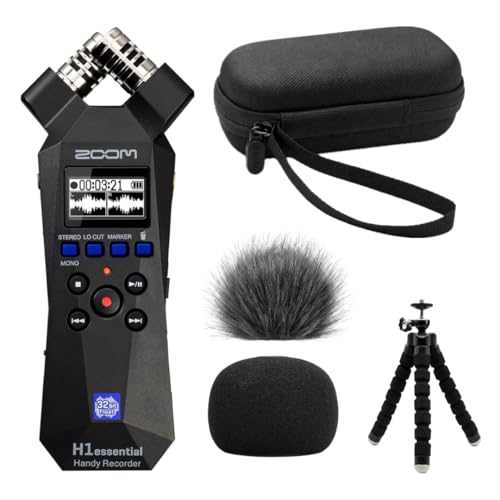
- 32-bit float recording with X/Y mics
- Includes case, furry and foam windscreens, and tripod
- USB-C mic mode for PC, Mac, iOS, and Android
Best For: Travel, interviews, and beginner-friendly field recording
Voice-Activated Pocket Recorder
EVISTR 64GB Dictaphone Recorder

- 64GB storage with long recording capacity
- Voice activation with 7 sensitivity levels
- Up to 100 hours of battery life
Best For: Lectures, interviews, and long-form voice notes
Flexible 4-Track Recorder
Zoom H4essential Handheld Recorder

- 4-track recorder with built-in stereo mics
- Two XLR/TRS inputs for external gear
- 32-bit float plus USB-C and SD backup
Best For: Field recording, interviews, and compact production setups
Compact Lecture Recorder
EVIDA 9296 Hours Voice Activated Recorder
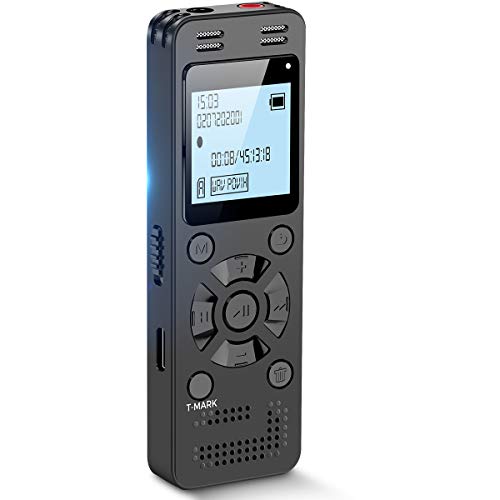
- 128GB storage with very large claimed recording time
- Voice-activated capture with 6 sensitivity levels
- PCM/WAV recording plus playback and file organization
Best For: Long spoken-word sessions and simple, low-effort recording
Stereo Field Capture Pick
Zoom H1 Essential Portable Recorder

- X/Y stereo mics with 32-bit float clip-free audio
- Works for interviews, ambience, voiceovers, and music
- USB-C microphone mode for livestreams and calls
Best For: Creators recording stereo sound, interviews, and ambient audio
High-Capacity Portable Recorder

- 136GB total memory and very long claimed storage
- Up to 68 hours of recording per charge
- Voice activation, noise reduction, and USB-C transfer
Best For: Extended lectures, interviews, and easy spoken-note capture
Simple Starter Pick
16GB Voice Recorder with Playback
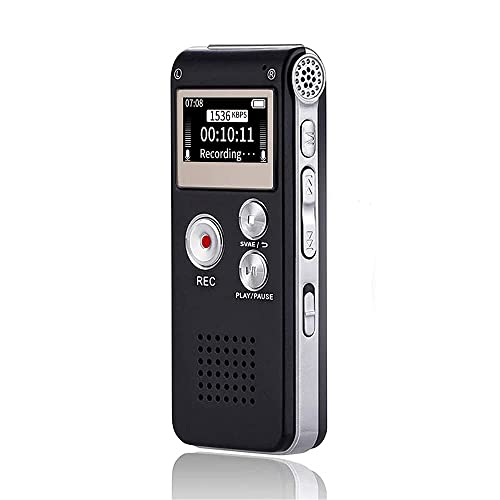
- One-button REC/STOP/PLAY operation
- DSP noise reduction and sensitive mic
- Voice-activated recording saves space
Best For: Beginners needing a simple recorder for lectures, interviews, and basic field notes
Feature-Rich Long-Run Pick

- 64GB storage with up to 4,600 hours
- Up to 48 hours of continuous use
- PCM/WAV recording with noise reduction
Best For: Users who need long battery life, large storage, and advanced playback tools
Balanced Value Pick

- Voice activation reduces empty recordings
- Noise reduction and upgraded mic
- A-B repeat and variable playback speed
Best For: Everyday users who want a compact recorder with helpful playback and security features
Portable Stereo Field Recorder – TASCAM DR-05XP 32-Bit Float Recorder
The TASCAM DR-05XP is a practical pick for voice recorders for field recording when you want simple handheld capture with flexible file formats. Its built-in omnidirectional condenser microphones and 32-bit float support make it a useful grab-and-go option for music, voice, meetings, and audio for video.
Best For: Field recordists, podcasters, and video creators who want a compact handheld recorder with USB-C interface support.
Pros:
- 32-bit float, 24-bit, and 16-bit recording modes give you flexible capture options.
- Built-in omnidirectional condenser microphones are rated for loud sources up to 125 dB SPL.
- USB-C 2-in/2-out audio interface lets you record directly to a computer.
- Up to 17.5 hours of operation on 2 AA batteries supports long sessions.
Cons:
- SD card and batteries are not included.
- It is built around stereo handheld recording rather than expandable multi-input field setups.
Overall, the DR-05XP is a straightforward recorder for users who value portable stereo capture and broad recording format support over advanced input routing.
Field Recording Bundle – Zoom H1essential with Accessories
The Zoom H1essential bundle is a strong choice among voice recorders for field recording if you want a ready-to-go kit with useful accessories included. It records in 32-bit float, uses high-quality X/Y mics, and adds a case, windscreens, and tripod for more controlled indoor and outdoor use.
Best For: Buyers who want an all-in-one portable recorder bundle for interviews, ambient sound, and travel recording.
Pros:
- 32-bit float recording helps avoid clipping and distortion.
- X/Y microphones capture clean audio up to 120 dB SPL.
- USB-C mic mode works with PC, Mac, iOS, and Android.
- Bundle includes a hard EVA case, furry windscreen, foam windscreen, and octopus tripod.
Cons:
- The recorder itself is a compact stereo unit rather than a multi-input field mixer.
- It requires 2 AAA batteries, so battery management still matters on longer outings.
This bundle makes setup easier for new field recordists because the accessory package covers protection, wind reduction, and flexible placement right away.
Voice-Activated Pocket Recorder – EVISTR 64GB Dictaphone Recorder
The EVISTR L357 is a compact voice recorder built for lecture and interview capture, and it fits well in a roundup of voice recorders for field recording when you need long battery life and easy operation. Its voice-activated recording, adjustable gain, and built-in playback features make it practical for note-taking and spoken-word sessions.
Best For: Students, interviewers, and note-takers who want a simple recorder with long runtime and voice activation.
Pros:
- 64GB storage and up to 4660 hours of recordings at 32kbps.
- Voice activation with 7 sensitivity levels helps reduce silent sections.
- Up to 100 hours of battery life supports extended use.
- Playback tools include A-B repeat, rewind, variable speed, and auto-record scheduling.
Cons:
- Built-in microphone design is aimed more at spoken content than advanced field capture.
- No XLR or external mic inputs are listed.
For straightforward voice logging, the EVISTR is an efficient option, especially if you care more about long storage, simple controls, and voice-triggered recording than pro field rig flexibility.
Flexible 4-Track Recorder – Zoom H4essential Handheld Recorder
The Zoom H4essential is a versatile option for voice recorders for field recording when you want more input flexibility than a basic handheld recorder. With built-in stereo mics, two XLR/TRS inputs, and 32-bit float capture, it is designed to handle interviews, podcasts, live performances, and field audio with confidence.
Best For: Creators who need a compact recorder with external input options for mixed field and production work.
Pros:
- 4-track recording gives you more room for layered sessions.
- Built-in stereo mics plus two XLR/TRS inputs support external gear and mixers.
- 32-bit float helps prevent distortion on quiet or loud sources.
- USB-C recording/streaming and SD card backup add workflow flexibility.
Cons:
- Digital recording time is listed at 10 hours, which is shorter than some simpler voice recorders.
- It uses 2 AA batteries, so spare power may be needed on longer shoots.
If your field work needs both portability and input expansion, the H4essential is a practical step up from basic voice recorders while still staying handheld.
Compact Lecture Recorder – EVIDA 9296 Hours Voice Activated Recorder
If you want a practical voice recorder for field recording tasks like interviews, lectures, and spoken notes, this EVIDA model focuses on storage, voice activation, and easy file handling. It records in high-quality PCM up to 1536Kbps, includes noise-cancelling support, and can be used as a voice recorder, USB drive, or MP3 player.
Best For: Long recording sessions where voice-triggered capture, large storage, and simple transfer matter more than advanced pro-audio controls.
Pros:
- 128GB capacity with claimed up to 9,296 hours of recording storage
- Voice-activated recording with 6 decibel sensitivity levels
- PCM/WAV support and noise-cancelling microphone for clearer spoken audio
- Includes playback, A-B repeat, bookmark, password protection, and folder organization
Cons:
- Built-in mono microphone is less specialized than stereo field recorders
- Battery life is listed at up to 54 hours, which may be limiting for very long shoots
- Feature set is geared toward convenience rather than live music or ambience capture
This is a strong choice if your priority is dependable spoken-word recording with lots of storage and straightforward operation. It is especially appealing for users who want voice activation and playback in one compact device.
Stereo Field Capture Pick – Zoom H1 Essential Portable Recorder
For voice recorders for field recording, the Zoom H1 Essential is built more like a compact stereo capture tool than a basic memo recorder. Its X/Y microphones, 32-bit float clip-free audio, and USB-C microphone mode make it a strong fit when you want cleaner sound for video, interviews, ambience, and other real-world recordings.
Best For: Creators who need portable stereo recording for interviews, ambience, voiceovers, and content production.
Pros:
- X/Y stereo microphones with clip-free 32-bit float recording
- Useful for voices, nature, room tone, sound effects, and music sessions
- USB-C mic mode supports livestreams, calls, and desktop or mobile recording
- Compatible with camera, PC, and smartphone use cases
Cons:
- Listed battery life is 10 hours, so it is not aimed at all-day marathon use
- Requires 2 AAA batteries rather than a built-in rechargeable battery
- More focused on stereo capture than on large internal storage features
If your field recording needs include both spoken audio and environmental sound, this Zoom offers a more versatile capture approach than typical voice-only recorders. It is a better match for creators who want higher-quality audio for content work and portable production.
High-Capacity Portable Recorder – Tonfarb 136GB Voice Recorder
This Tonfarb model is a straightforward voice recorder for field recording when you want long runtime, voice activation, and easy one-touch operation. It combines PCM-style 1536kbps recording, automatic noise reduction, and a large memory setup with a built-in rechargeable battery for extended sessions.
Best For: Users who want a lightweight recorder for lectures, interviews, meetings, and other extended spoken recordings.
Pros:
- 136GB total memory with a claimed 9,775 hours of storage
- Up to 68 hours of continuous recording on a single charge
- Voice-activated recording and automatic noise reduction for spoken audio
- USB-C transfer, A-B repeat, password protection, and one-click recording/saving
Cons:
- Mono microphone design is less ideal for wide stereo ambience capture
- Focus is on speech and convenience rather than advanced field-audio control
- Feature list is better suited to lecture or interview use than music recording
For users who need a compact recorder that prioritizes storage, battery life, and simple operation, this Tonfarb is a practical option. It should suit everyday field note-taking and spoken-word capture particularly well.
Simple Starter Pick – 16GB Voice Recorder with Playback
If you want voice recorders for field recording that stay simple and portable, this 16GB model focuses on quick operation and clear capture. It uses DSP noise reduction and a sensitive microphone to help pick up spoken audio, while voice-activated recording can conserve space and battery during quiet stretches.
Best For: Users who want an easy-to-use recorder for interviews, lectures, and basic field note capture.
Pros:
- One-button recording with REC, STOP, and PLAY controls
- DSP noise reduction and sensitive microphone for clearer voice capture
- Voice-activated recording helps save recording time and power
- Can also work as a music player and USB storage device
Cons:
- 16GB capacity is more limited than higher-storage options
- Best suited to voice-focused recording rather than advanced field audio use
Overall, this is a practical pick when ease of use matters more than extra features. It offers the basics needed for straightforward field recordings and spoken-word capture without adding complexity.
Feature-Rich Long-Run Pick – 64GB Digital Voice Recorder
For voice recorders for field recording where storage, battery life, and control matter, this 64GB unit brings a lot to the table. It supports PCM/WAV recording up to 1536kbps, automatic noise reduction, voice activation, and a large screen, making it a strong fit for longer sessions and organized file handling.
Best For: Field users who want large capacity, long battery life, and more recording controls.
Pros:
- 64GB built-in TF card stores up to 4,600 hours of recordings
- Up to 48 hours of continuous use on the built-in battery
- PCM/WAV recording up to 1536kbps with noise reduction
- Includes voice activation, password protection, A-B loop playback, and bookmarking
Cons:
- More features may be more than needed for very basic recording tasks
- Uses an AAA battery in addition to the built-in battery system
This model stands out when you need a recorder that can handle long field days and lots of files. Its mix of storage, battery life, and playback tools makes it especially practical for users who record often.
Balanced Value Pick – 16GB Voice Activated Recorder
This option is a solid middle-ground choice among voice recorders for field recording, especially if you want voice activation and straightforward file management. Its upgraded microphone, noise reduction, and 16GB storage make it suitable for everyday spoken audio capture, while MP3/WAV support keeps transfers flexible.
Best For: Buyers who want a compact recorder with voice activation, simple controls, and useful playback features.
Pros:
- Voice-activated recording helps reduce silent sections and storage use
- Upgraded microphone, noise reduction, and professional recording chip
- A-B repeat, variable playback speed, and password protection add convenience
- Supports MP3/WAV files and easy computer transfer via Micro USB
Cons:
- 16GB storage is smaller than higher-capacity recorders
- Battery life is good for daily use, but not as long as the longest-running models
As a practical all-around recorder, this one covers the core needs without overcomplicating things. It works well for users who want reliable speech capture and a few extra playback and file tools.
How We Picked the Best Voice Recorders for Field Recording
For Voice Recorders for Field Recording, we prioritized clean recording quality, easy operation, compact size, and useful features like voice activation, USB-C charging, and playback. We also looked at whether a model is better suited to simple note capture, interviews, or more flexible field use.
Quick Comparison
In general, handheld stereo recorders with higher-end recording formats are the best choice for creators who need more control and better ambient detail. Smaller digital voice recorders are usually the better fit if your main goal is long battery life, discreet carry, and straightforward speech capture.
Key Buying Factors for Voice Recorders for Field Recording
Audio Quality and Recording Format
Look for a recorder that matches your use case. If you want cleaner ambience or music capture, stereo microphones and 32-bit float recording can help prevent clipping and preserve detail. For interviews and spoken notes, a reliable mono or stereo voice recorder may be enough if the mic is sensitive and the noise floor is low.
Portability and Handling
Field recording often happens fast, so the recorder should be light, easy to start, and comfortable to hold. Built-in mics, one-hand operation, and simple gain or level controls matter more than advanced menus when you are outdoors or moving between locations.
Storage, Power, and Connectivity
Consider internal storage, microSD support, battery type, and USB-C connectivity. Longer sessions benefit from large-capacity memory and efficient power use. USB audio interface support can also be useful if you want one device for both recording and computer-based work.
Voice Activation and Playback
Voice-activated recording can save space and make note-taking easier, but it is not ideal for every field job. If you need uninterrupted ambience or room tone, manual recording is safer. Playback is helpful for quick checks in the field without transferring files first.
Who Should Buy Which Voice Recorders for Field Recording?
If you want the most capable option for mixed field work, choose a handheld recorder with stronger mic performance and more recording flexibility. If you mainly record lectures, meetings, or interviews, a compact digital voice recorder with voice activation and lots of storage may be the smartest value. For beginners, the best pick is usually the model that starts recording quickly, offers clear playback, and does not require much setup.
The right choice depends on how you record, not just how much you want to spend. Prioritize the features that support your actual workflow, and you will get more useful audio from every session.