The best XLR condenser microphones can bring greater detail, clarity, and headroom to vocals, podcasts, streams, and home-studio recordings. They also give you the flexibility to upgrade your interface, preamp, boom arm, and monitoring setup over time.
We selected 10 popular options across entry-level, studio-focused, and bundled categories, including microphones with shock mounts, pop filters, boom arms, and USB connectivity. Use the guide below to narrow the list by sound, setup, room, and budget.
Best 10 Xlr Condenser Microphones Picks for 2026
Best Value Studio Pick
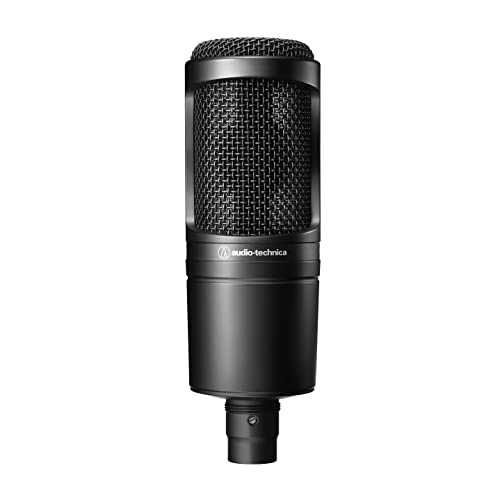
- Cardioid pattern helps isolate the source
- High SPL handling and wide dynamic range
- Standard XLRM output for studio setups
Best For: Home-studio vocals, instruments, and general recording
Best Budget Bundle

- Large-diaphragm condenser capsule
- Cardioid pattern reduces ambience
- Includes shock mount and XLR cable
Best For: Budget home studios recording vocals or instruments
Best Feature Upgrade

- Includes switchable 80 Hz high-pass filter
- 10 dB pad handles high SPL sources
- Custom shock mount included
Best For: Studio, podcasting, streaming, and varied instruments
Best Starter Kit
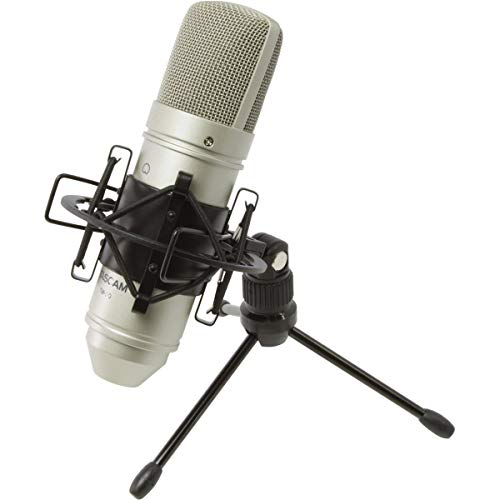
- Includes stand, XLR cable, and shock mount
- 18 mm diaphragm with cardioid pickup
- 136 dB maximum SPL rating
Best For: Home recording and compact desktop setups
Best Studio-Ready Value
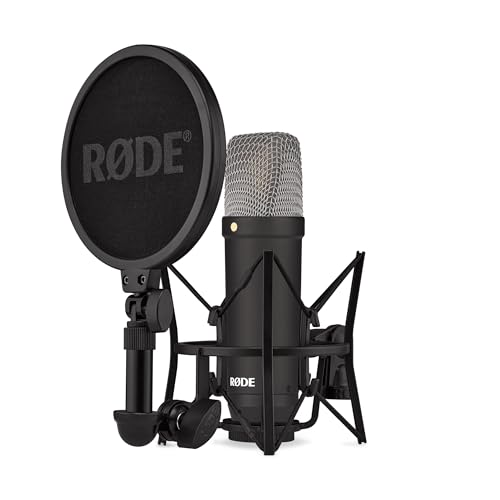
- Very low 4.5 dBA self-noise
- Includes shock mount, pop filter, and XLR cable
- Cardioid large-diaphragm design for vocals
Best For: Quiet vocal recording and home studios
Best Flexible Hybrid Setup

- Supports both XLR and USB
- USB recording reaches 192 kHz/24-bit
- Includes arm stand and vocal accessories
Best For: Podcasters and creators switching between USB and XLR
Best All-In-One Kit
MAONO PM320S Studio XLR Microphone

- 16mm condenser capsule with cardioid pickup
- Includes boom arm and vocal-control accessories
- Requires 48V phantom power
Best For: Complete starter setups for podcasting, streaming, and vocals
Best Compact Studio Value

- Clear capture for vocals and instruments
- Handles SPL levels up to 150 dB
- Includes pad and bass-cut filter
Best For: Home recording and project studios
Best Boom-Arm Bundle

- Includes steel T20 suspension boom arm
- Cardioid pickup with low-noise FET preamp
- Requires 48V phantom power
Best For: Desk-mounted podcasting, streaming, and voice-over setups
Best Value Studio Pick – Audio-Technica AT2020
The Audio-Technica AT2020 is a practical starting point for anyone comparing xlr condenser microphones for a project or home studio. Its cardioid pattern helps reduce sound from the sides and rear, while high SPL handling and a wide dynamic range support varied recording tasks.
Best For: Home-studio vocals, instruments, and general recording with an audio interface.
Pros:
- Cardioid pickup improves isolation of the intended source.
- High SPL handling and wide dynamic range add versatility.
- Low-mass diaphragm supports extended frequency response and transient detail.
- Uses a standard three-pin XLRM output.
Cons:
- Requires phantom power and a separate compatible recording setup.
- Supplied as a microphone only, without a listed shock mount or cable.
The AT2020 is a straightforward, dependable choice when you want studio-style XLR connectivity and useful all-around performance without moving into more specialized features.
Best Budget Bundle – Mackie EM-91C
The Mackie EM-91C is an affordable large-diaphragm option among xlr condenser microphones, designed for studio-based vocals and instruments. Its cardioid pattern limits ambient pickup, and the included shock mount and XLR cable make it easier to assemble a basic recording setup.
Best For: Budget-conscious home studios needing a microphone bundle for vocals or instruments.
Pros:
- Large-diaphragm condenser capsule suits vocals and instruments.
- Cardioid pattern reduces ambient sound.
- Includes both a shock mount and XLR cable.
- Rugged construction is designed for reliable use.
Cons:
- Its stated compatibility is centered on an audio mixer.
- No switchable filter or pad is listed in the supplied specifications.
The EM-91C makes sense when keeping the initial equipment list simple matters as much as microphone performance, particularly for a first home-studio setup.
Best Feature Upgrade – Audio-Technica AT2035
The Audio-Technica AT2035 is a flexible choice for shoppers comparing xlr condenser microphones for studio, podcasting, streaming, or live applications. Its large diaphragm, low-noise design, high SPL handling, and built-in filter and pad provide more control than a basic condenser.
Best For: Studio vocals, podcasting, streaming, and instruments where recording control is important.
Pros:
- Switchable 80 Hz high-pass filter helps manage low-frequency content.
- Switchable 10 dB pad supports high sound pressure levels.
- Large diaphragm provides a smooth, natural sound.
- Includes a custom shock mount for improved isolation.
Cons:
- Requires a compatible audio mixer or XLR recording interface.
- Its extra controls may be unnecessary for very simple setups.
Choose the AT2035 if you expect to record varied sources and want practical ways to manage rumble, noise, and louder signals without leaving the XLR format.
Best Starter Kit – Tascam TM-80
The Tascam TM-80 is a useful starter option among xlr condenser microphones for home recording. Its 18 mm aluminum diaphragm and cardioid pickup suit vocals and acoustic instruments, while the included tabletop stand, XLR cable, and elastic shock mount provide the core accessories for getting started.
Best For: Home recording, vocals, acoustic instruments, and compact desktop setups.
Pros:
- Includes a tabletop stand, six-foot XLR cable, and elastic shock mount.
- Cardioid pattern works for vocals and acoustic instruments.
- Internal circuitry is designed to reduce noise and distortion.
- 136 dB maximum SPL rating supports loud sources such as guitar amps and drums.
Cons:
- The tabletop stand may be less suitable for full studio boom-arm setups.
- Requires a compatible audio interface or other XLR equipment.
The TM-80 stands out for convenience: it combines a home-recording-oriented condenser microphone with several useful accessories, reducing the need to buy a basic setup piece by piece.
Best Studio-Ready Value – RØDE NT1 Signature Series
For shoppers comparing xlr condenser microphones, the RØDE NT1 Signature Series is a focused studio option with the brand’s familiar large-diaphragm voicing. It uses a cardioid pattern for voice-focused recording and includes the key accessories needed to get started once you add an audio interface.
Best For: Vocal recording, streaming, and home studios seeking a quiet XLR microphone with a complete accessory bundle.
Pros:
- Very low 4.5 dBA self-noise for quiet recordings.
- Includes an SM6 shock mount, pop filter, six-meter XLR cable, and dust cover.
- Cardioid pickup helps focus on the voice and reject room sound.
Cons:
- Requires an audio interface with suitable microphone power.
- Not a USB plug-and-play microphone.
The NT1 Signature is a practical choice when clean vocal capture and low self-noise matter more than built-in USB controls. Its included accessories make it a particularly straightforward starting point for an interface-based setup.
Best Flexible Hybrid Setup – MAONO A04 Gen2
The MAONO A04 Gen2 stands out among xlr condenser microphones because it supports both XLR and USB connections. That flexibility lets you use an audio interface or mixer for an analog setup, or connect directly to a compatible computer or phone for plug-and-play recording.
Best For: Podcasters, streamers, and creators who want one microphone for both USB convenience and XLR recording.
Pros:
- Offers dual XLR and USB connectivity.
- USB mode supports up to 192 kHz/24-bit recording and MAONO Link software controls.
- Bundle includes an arm stand, shock mount, pop filter, and windscreen foam.
Cons:
- XLR cable is not included.
- Noise reduction and software features are available only in USB mode.
- XLR use requires phantom power.
Choose the A04 Gen2 if your recording needs may shift between direct computer recording and an interface-based workflow. The included mounting accessories add convenience, while the missing XLR cable is an extra item to budget for.
Best Desktop XLR Bundle – PROAR Studio Microphone
For buyers seeking xlr condenser microphones with a desk-friendly setup, this PROAR model combines a weighted desktop stand with a cardioid capsule and full metal casing. It is designed for focused vocal capture, but it requires an external interface or mixer supplying 48V phantom power.
Best For: Podcasters, streamers, singers, and gamers who want a stable desktop XLR arrangement.
Pros:
- Weighted desktop base avoids the need for a desk clamp.
- Includes a shock mount, pop filter, and XLR-to-XLR cable.
- Handles up to 130 dB Max SPL for loud voice or instrument sources.
Cons:
- Audio interface and 48V phantom power are not included.
- Less suitable for direct-to-computer recording without additional equipment.
- Its supplied one-year warranty is shorter than some competing options.
This bundle makes sense when you want the microphone, desktop support, and basic vibration and breath-noise accessories together. Confirm that your interface or mixer provides 48V phantom power before buying.
Best All-In-One Kit – MAONO PM320S Studio XLR Microphone
The MAONO PM320S is a practical entry point for shoppers comparing xlr condenser microphones and wanting a complete setup. Its 16mm condenser capsule, cardioid pattern, and included boom arm, shock mount, pop filter, windscreen, and XLR cable make it ready for vocals, podcasting, streaming, and home recording—provided you have 48V phantom power.
Best For: New streamers, podcasters, vocalists, and home-studio users who need a bundled recording setup.
Pros:
- Includes a boom arm, shock mount, pop filter, windscreen, and XLR cable.
- 16mm condenser capsule offers extended frequency response and transient detail.
- Cardioid pickup and vibration-isolating accessories help reduce unwanted noise.
- Rugged all-metal housing is suited to regular studio use.
Cons:
- Requires a stable 48V phantom-power source.
- Requires an audio interface, mixer, or preamp rather than connecting directly through XLR to a computer.
The PM320S stands out when convenience matters as much as microphone performance. It is a particularly straightforward choice for building a first XLR recording station, although buyers should budget for compatible phantom-power equipment if they do not already own it.
Best Compact Studio Value – AKG P120 Condenser Microphone
The AKG P120 is a compact, established option among xlr condenser microphones for home recording and project studios. Its low-mass diaphragm is designed for clear vocals, speech, and instruments, while the cardioid pattern and included stand adapter keep the setup simple.
Best For: Home recordists and musicians seeking a durable microphone for vocals and instruments without a bundled boom-arm kit.
Pros:
- Captures vocals, speech, and instruments with clear sonic detail.
- Handles sound levels up to 150 dB for loud sources.
- Includes a -20 dB preattenuation pad and bass-cut filter.
- Metal construction supports long-term studio use.
Cons:
- Only the microphone and stand adapter are included.
- Requires phantom power and a compatible XLR interface or mixer.
- The official warranty applies to purchases from authorized North American dealers.
The P120 is a sensible pick for buyers who prefer a focused, dependable microphone rather than a full accessory bundle. Its high-SPL handling and built-in controls also make it flexible enough to move between vocals, speech, and instruments.
Best Boom-Arm Bundle – TONOR TC20 XLR Studio Mic Kit
The TONOR TC20 is one of the more complete xlr condenser microphones kits for podcasting, voice-over work, streaming, and home studios. It pairs a cardioid condenser microphone with a steel T20 suspension arm, shock mount, pop filter, cover, and XLR cable, but it needs 48V phantom power from an interface, mixer, or preamp.
Best For: Creators who want a desk-mounted microphone package with included positioning and plosive-control accessories.
Pros:
- Bundle includes the T20 boom arm, shock mount, pop filter, cover, and 2-meter XLR cable.
- Cardioid pattern helps suppress sound from the sides and rear.
- Low-noise FET preamplifier and high-SPL handling support clear recording.
- Steel arm clamp fits desks up to 2.4 inches thick.
Cons:
- Requires 48V phantom power and compatible external equipment.
- The included kit is relatively heavy at 1,900 grams.
- Its listed compatibility focuses on an amplifier, so buyers should verify their interface or mixer setup.
The TC20 is appealing when a tidy, adjustable desk setup is the priority. Its broad accessory package reduces the number of separate purchases, while the cardioid design and included pop filter suit spoken-word content and vocal recording.
How We Picked These Xlr Condenser Microphones
We focused on microphones that use an XLR connection and are practical for recording vocals, speech, instruments, podcasting, or streaming. The selection includes established studio models and affordable kits so buyers can compare microphone quality with included accessories and setup convenience.
We also considered polar pattern, diaphragm design, reputation, intended use, package contents, and the equipment required to operate each microphone. An XLR condenser normally needs 48V phantom power from an audio interface, mixer, or compatible preamp, so that requirement is important when comparing total cost.
Quick Comparison
| Best For | What to Prioritize | Typical Choice |
|---|---|---|
| Home studio recording | Low self-noise and detailed response | A dedicated large-diaphragm studio microphone |
| Podcasting and streaming | Clear speech, accessories, and easy positioning | A microphone kit with a shock mount or boom arm |
| Vocals and instruments | Balanced detail and reliable cardioid pickup | A versatile cardioid condenser |
| Flexible computer setups | USB and XLR connectivity | A dual-output microphone |
Key Buying Factors for Xlr Condenser Microphones
Connection and Phantom Power
Confirm that your interface, mixer, or preamp has an XLR input and switchable 48V phantom power. A passive XLR cable alone will not power most condenser microphones. If you want direct computer connection, consider a model with both USB and XLR outputs, but check whether its USB controls and monitoring features meet your needs.
Pickup Pattern and Room Sound
Cardioid microphones primarily capture sound from the front while reducing pickup from the rear, making them a practical default for one-person recording. Condensers are sensitive and detailed, which is useful in a quiet, treated room but can also reveal fans, traffic, keyboard noise, and room reflections.
Sound, Noise, and Sensitivity
Look for a response suited to your voice or instrument rather than assuming the most expensive microphone will sound best. Low self-noise helps with quiet sources and spoken-word recording. A microphone with high sensitivity may require careful gain adjustment and better room control.
Accessories and Total Setup Cost
Check whether the package includes a shock mount, pop filter, boom arm, stand, or cable. These extras can make a budget kit more convenient, although a sturdier stand or better shock mount may still be worthwhile. Leave room in the budget for an audio interface, headphones, acoustic treatment, and replacement cables if needed.
Who Should Buy Which Xlr Condenser Microphones?
Choose a dedicated studio microphone if recording quality, upgrade potential, and dependable construction matter most. Choose a bundled kit if you are building a first podcast or streaming setup and need several accessories at once. Choose a dual USB/XLR model if you want simple computer recording now while preserving the option to use an interface later.
For vocals and instruments, prioritize a balanced cardioid microphone and a room quiet enough to benefit from its detail. For podcasts and streams, prioritize speech clarity, stable positioning, and a pop filter or boom arm. Whichever model you choose, position it close enough for a strong signal, use a pop filter, and adjust gain so peaks do not clip.