Choosing among the best desktop computers for multitasking means looking beyond headline processor speeds. The right tower should keep browsers, office apps, video calls, creative tools, and large files responsive at the same time.
This roundup compares 10 desktop PCs across business, home, and productivity use cases, emphasizing memory, storage, display support, connectivity, and upgrade potential.
Best 10 Desktop Computers for Multitasking Picks for 2026
Business Multitasking Powerhouse

- 14-core/20-thread processor for demanding workflows
- 16GB DDR5 and 512GB PCIe NVMe SSD
- Supports two 4K displays
Best For: Business productivity, analysis, and secure multi-monitor offices
Versatile Everyday Performer
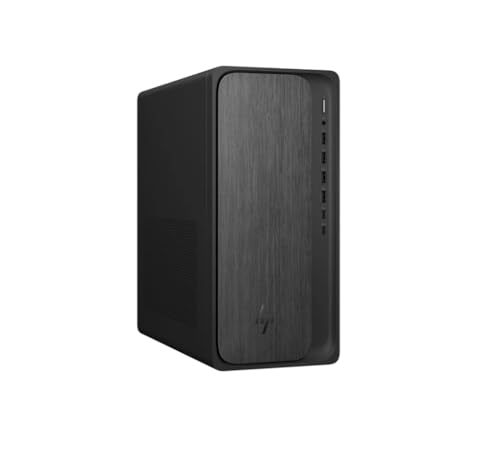
- 32GB DDR5 memory for busy workloads
- 1TB PCIe Gen4 NVMe SSD
- Radeon 780M graphics and included keyboard/mouse
Best For: Home multitasking, multimedia, and flexible everyday use
AI-Ready Upgradeable Tower

- 32GB DDR5 for multitasking
- Supports up to four FHD or two 4K displays
- Tool-less access simplifies upgrades
Best For: Multi-monitor home offices, education, and AI-enabled productivity
Practical Multi-Display Workstation

- Six-core Core i5 with 16GB DDR4 RAM
- 512GB PCIe NVMe SSD
- HDMI, DVI-I, and VGA outputs
Best For: Business applications and budget multi-monitor setups
Power User Pick
Dell Ultra 7 Multitasking Tower

- 20-core Core Ultra 7 processor up to 5.3GHz
- 32GB DDR5 RAM and 1TB PCIe SSD
- Dual 4K monitor support with HDMI and DisplayPort
Best For: Heavy multitasking, coding, and content creation
Compact Office Choice

- 16GB DDR5 RAM with a 512GB SSD
- Compact chassis for smaller desk setups
- Windows 11 Pro, Wi-Fi 6, and dual-display outputs
Best For: Home offices, small businesses, and everyday tasks
Business Expansion Pick

- 20-core Core Ultra 7 processor with 32GB DDR5
- 1TB NVMe SSD and four-monitor support
- Includes Windows 11 Pro and a 64GB flash drive
Best For: Multi-monitor business productivity and professional workflows
Best Refurbished Multitasker

- Six-core Core i5 and 32GB RAM
- Fast 1TB SSD storage
- Wi-Fi, Bluetooth, HDMI, and DisplayPort
Best For: Home offices, browsing, streaming, and light editing
Best High-Performance Multitasker

- 20-core Core Ultra 7 processor
- 32GB DDR5 and 1TB SSD
- Wi-Fi 6E and dual-monitor support
Best For: Power users, content creation, and data analysis
Business Multitasking Powerhouse – Dell Pro Tower i5-14500 vPro
For shoppers comparing desktop computers for multitasking, the Dell Pro Tower emphasizes business-ready processing, fast storage, and flexible display support. Its 14-core Intel Core i5-14500 vPro processor, 16GB of DDR5 memory, and 512GB PCIe NVMe SSD are well suited to spreadsheets, data analysis, video conferencing, and heavy browser use.
Best For: Business users, analysts, project managers, and professionals who need secure remote management and two 4K displays.
Pros:
- 14 cores and 20 threads provide substantial multitasking headroom.
- 16GB DDR5 RAM and a 512GB PCIe SSD support quick startups and responsive file access.
- Intel UHD 770 supports two 4K displays through HDMI 2.1 and DisplayPort 1.4a.
- Windows 11 Pro and Intel vPro add business security and manageability features.
Cons:
- Integrated graphics are aimed at productivity rather than demanding graphics work.
- Windows 11 Pro and vPro features may be more than casual users need.
Choose this Dell when office productivity, multiple displays, and enterprise-oriented controls matter more than gaming performance. Its compact tower also leaves room to expand memory up to 64GB.
Versatile Everyday Performer – HP OmniDesk Ryzen 7 8700G
The HP OmniDesk is a strong option among desktop computers for multitasking, combining 32GB of DDR5 memory with a 1TB PCIe Gen4 NVMe SSD. Its Ryzen 7 8700G processor and Radeon 780M graphics make it suitable for productivity, multimedia, and compatible gaming, while the included keyboard and mouse provide a ready-to-use setup.
Best For: Home users, multitaskers, and buyers who want generous memory, fast storage, integrated graphics, and included peripherals.
Pros:
- 32GB DDR5-5200 memory helps support numerous active applications and browser tabs.
- 1TB PCIe Gen4 NVMe storage provides ample space and quick access to files.
- Radeon 780M graphics and Ryzen AI features add flexibility for multimedia and supported workloads.
- Includes a full-size wireless keyboard and mouse.
Cons:
- Windows 11 Home lacks the business-focused controls found on Pro editions.
- The supplied details list one HDMI video output, which may limit multi-monitor options.
This HP balances multitasking capacity and convenience particularly well. Its 32GB RAM and 1TB SSD are the highlights for users who want to keep many applications open without immediately needing upgrades.
AI-Ready Upgradeable Tower – Dell Tower Core Ultra 7
The Dell Tower Core Ultra 7 brings built-in AI capabilities and 32GB of DDR5 memory to the desktop computers for multitasking category. It supports up to four Full HD monitors through DisplayPort and daisy chaining, or two 4K displays using HDMI 2.1 and DisplayPort, making it practical for workspaces that depend on expanded screen area.
Best For: Home-office and education users who want AI-enabled processing, high-resolution display support, and convenient internal upgrades.
Pros:
- Intel Core Ultra 7 processor includes built-in AI capabilities.
- 32GB DDR5 memory is well suited to demanding multitasking.
- Supports up to four FHD monitors or two 4K displays with the listed connections.
- Tool-less access and a removable side panel simplify upgrades.
Cons:
- Windows 11 Home is less business-oriented than Windows 11 Pro.
- Graphics are integrated Intel UHD, so this is not positioned as a dedicated-gaming tower.
- The supplied product details do not specify the SSD capacity.
This Dell is appealing when monitor flexibility and future accessibility matter. Its 32GB RAM and upgrade-friendly chassis make it a practical foundation for a busy desk, while the built-in TPM chip adds a layer of hardware security.
Practical Multi-Display Workstation – HP ProDesk 600 i5
For buyers seeking desktop computers for multitasking on a practical business budget, the HP ProDesk 600 combines a six-core Intel Core i5 processor, 16GB of DDR4 RAM, and a 512GB PCIe NVMe SSD. Its included dedicated GeForce graphics card and HDMI, DVI-I, and VGA outputs are designed for extended desktop setups.
Best For: Small offices, accounting work, business applications, and users who need multiple monitor connections in a compact tower.
Pros:
- Six-core Core i5 processing and 16GB RAM support common business multitasking.
- 512GB PCIe NVMe SSD enables fast boot times and file access.
- Dedicated GeForce graphics provide HDMI, DVI-I, and VGA display outputs.
- Includes Windows 11 Pro, a wired keyboard, mouse, and Wi-Fi adapter.
Cons:
- The older DDR4 platform is less current than newer DDR5 systems.
- The listed GeForce GT 610 graphics are intended for display support, not demanding modern gaming.
- The 180W power supply may limit graphics upgrade flexibility.
This ProDesk favors dependable office utility over cutting-edge performance. It is a sensible choice for document-heavy workflows and multi-display productivity, especially when legacy video connections such as VGA or DVI-I are useful.
Power User Pick – Dell Ultra 7 Multitasking Tower
For demanding desktop computers for multitasking, this Dell tower combines Intel Core Ultra 7 processing with 32GB of DDR5 memory and a 1TB PCIe SSD. Its dual-4K display support and broad port selection make it practical for coding, content creation, office work, and multi-window workflows.
Best For: Heavy multitasking, professional productivity, programming, and content creation.
Pros:
- 20-core Intel Core Ultra 7 265 processor with speeds up to 5.3GHz.
- 32GB DDR5 RAM and a fast 1TB PCIe SSD.
- Supports up to two external 4K displays through HDMI and DisplayPort.
- Includes Wi-Fi, Bluetooth, USB-C, an SD card reader, keyboard, and mouse.
Cons:
- Integrated graphics may be less suitable for graphics-intensive gaming or rendering.
- Listed RAM capacity is 32GB, despite the notes mentioning higher configurations.
This is the strongest all-around option here for users who regularly keep many applications, browser tabs, and large files open at once. It is ready for home or office use, though specialized graphics work may call for a dedicated GPU.
Compact Office Choice – Dell Pro i3 Business Tower
This Dell Pro is a sensible choice among desktop computers for multitasking when your workload centers on office apps, web browsing, and everyday productivity. Its compact chassis, 16GB of DDR5 RAM, and 512GB SSD provide a responsive setup without taking much desk space.
Best For: Home offices, small businesses, education, and everyday productivity.
Pros:
- 14th Gen Intel Core i3-14100 processor with boost speeds up to 4.7GHz.
- 16GB DDR5 memory and a 512GB PCIe SSD for routine workflows.
- Compact, lightweight chassis measuring about 12.76 by 6.06 by 11.53 inches.
- Windows 11 Pro, Wi-Fi 6, Bluetooth, HDMI 2.1, DisplayPort, and eight USB ports.
Cons:
- Lower processor and memory capacity than the other two systems.
- Integrated Intel UHD Graphics 730 is intended for everyday visuals rather than demanding graphics work.
- Storage capacity may feel limited for large media libraries or extensive files.
Choose this model when space, security features, and reliable daily performance matter more than maximum processing headroom. Windows 11 Pro adds BitLocker and Remote Desktop support for work-oriented setups.
Business Expansion Pick – HP OmniDesk Ultra 7 Tower
The HP OmniDesk M03 is built for users who need desktop computers for multitasking across business applications, presentations, and many browser tabs. Its 20-core Intel Core Ultra 7 processor, 32GB of DDR5 memory, 1TB NVMe SSD, and four-monitor support provide substantial workspace and responsiveness.
Best For: Professional business workflows, multi-monitor productivity, and users who value bundled storage.
Pros:
- Intel Core Ultra 7 265 processor with 20 cores and speeds up to 5.3GHz.
- 32GB DDR5 RAM, 1TB PCIe NVMe SSD, and support for up to 64GB RAM.
- Supports up to four 4K monitors according to the product title.
- Includes Windows 11 Pro, Wi-Fi 6, wired keyboard and mouse, and a 64GB flash drive.
Cons:
- Only one HDMI and one DisplayPort are listed in the detailed connectivity specifications.
- The product has been opened for RAM and SSD upgrades.
- Coverage differs between upgraded components and the remaining original components.
This HP offers the most workspace-oriented configuration of the group, especially for users managing dashboards, documents, spreadsheets, and communications simultaneously. Verify the exact monitor-connection setup before purchase if four displays are essential.
Best Refurbished Multitasker – Dell OptiPlex 3060
If you want desktop computers for multitasking without spending on a new premium tower, this renewed Dell OptiPlex 3060 offers a practical mix of processing power, memory, and storage. Its six-core Intel Core i5-8500, 32GB DDR4 RAM, and 1TB SSD are suited to multi-tab browsing, office work, streaming, and everyday content creation.
Best For: Home offices, general productivity, media streaming, and light photo or video editing.
Pros:
- Six-core Intel Core i5-8500 processor with 32GB DDR4 RAM for responsive multitasking.
- Fast 1TB SSD provides ample space and quick boot and application loading.
- Built-in Wi-Fi, Bluetooth, HDMI, DisplayPort, and eight USB ports support varied setups.
- Windows 11 Pro, a 90-day warranty, and included tech support add practical reassurance.
Cons:
- Integrated Intel UHD Graphics 630 is intended for general use rather than demanding dedicated-GPU workloads.
- As a renewed 2018 model, it may offer less long-term platform headroom than newer systems.
This Dell is a sensible value pick when generous RAM and SSD capacity matter more than cutting-edge hardware. It is especially appealing for an office or home workstation handling several everyday applications at once.
Best Compact Business Desktop – HP ProDesk 400 G9 SFF
For buyers seeking desktop computers for multitasking in a small workspace, the HP ProDesk 400 G9 SFF emphasizes a compact design, fast PCIe SSD storage, and business-oriented connectivity. Its listed configuration pairs 32GB RAM with a 1TB SSD and includes Windows 11 Pro, Wi-Fi, and a wired keyboard and mouse.
Best For: Business desks, compact home offices, document work, web applications, and dual-display productivity.
Pros:
- Small form factor measures 11.9 x 10.6 x 3.7 inches and weighs under 9 pounds.
- 32GB DDR4 RAM and PCIe M.2 SSD support smooth everyday multitasking and quick file access.
- Supports dual 4K displays through HDMI 1.4 and DisplayPort 1.4.
- Windows 11 Pro, TPM 2.0, HP Wolf Security, Wi-Fi, USB-C, and bundled input devices suit office deployment.
Cons:
- The Intel Celeron G6900 is a dual-core processor, making it less suited to heavy sustained workloads than higher-core alternatives.
- Integrated Intel UHD Graphics are designed for everyday visuals rather than demanding graphics work.
The HP stands out when desk space, security features, and monitor flexibility are priorities. It is a capable office-focused option, but intensive content creation or complex parallel workloads may call for a stronger processor.
Best High-Performance Multitasker – Lenovo IdeaCentre Tower
Among desktop computers for multitasking, this Lenovo IdeaCentre Tower is the most performance-oriented choice in the group. Its 20-core Intel Core Ultra 7 265K processor, 32GB DDR5 RAM, and 1TB SSD are designed for demanding productivity, content creation, data analysis, and multiple active applications.
Best For: Power users, professional productivity, content creation, data analysis, and demanding multitasking.
Pros:
- 20-core Intel Core Ultra 7 265K reaches up to 5.5 GHz for responsive demanding workflows.
- 32GB DDR5 RAM and PCIe M.2 SSD provide fast multitasking and file access.
- Wi-Fi 6E, Bluetooth 5.1, Gigabit Ethernet, and seven USB ports offer flexible connectivity.
- HDMI and VGA support dual-monitor setups, and a wired keyboard and mouse are included.
Cons:
- Windows 11 Home may be less suitable than Windows 11 Pro for buyers needing Pro-specific business features.
- Integrated graphics are used, so demanding graphics or gaming workloads may require a different system.
- The tower is larger and heavier than the compact HP small-form-factor desktop.
This Lenovo is the strongest fit for users who regularly run demanding applications or many programs simultaneously. Its modern processor and DDR5 memory give it the clearest performance advantage, while the dual-display outputs and fast wireless networking support productive workstation setups.
How We Picked These Desktop Computers for Multitasking
We focused on configurations that can handle several demanding applications simultaneously, prioritizing modern Intel Core and Core Ultra or AMD Ryzen processors, at least 16GB of RAM, and SSD storage. We also considered practical features such as Wi-Fi, Bluetooth, USB-C, multiple display outputs, Windows editions, compact form factors, and room for future upgrades.
Specifications can vary by exact retailer configuration, so confirm the included keyboard, mouse, operating system, wireless connectivity, and port selection before purchasing.
Quick Comparison
| What to Compare | Best Starting Point | Why It Matters |
|---|---|---|
| Memory | 16GB minimum; 32GB preferred | More headroom for many open applications and browser tabs |
| Storage | 512GB SSD minimum; 1TB preferred | Faster startup and more room for files and software |
| Displays | Dual-monitor support | Improves workflow for documents, research, and communication |
| Form factor | Tower or small-form-factor | Balances upgrade space, desk footprint, and accessibility |
Key Buying Factors for Desktop Computers for Multitasking
Processor and Memory
A current Core i5-class or Ryzen 7 processor is generally sufficient for office multitasking, while Core Ultra 7 and comparable chips provide more performance for heavier workloads. RAM is equally important: 16GB works for everyday productivity, but 32GB is the safer choice for extensive multitasking, content creation, development environments, or many browser tabs.
Storage and Graphics
Choose an NVMe SSD whenever possible for faster application loading and file access. A 1TB drive is more comfortable than 512GB if you store photos, projects, or large downloads locally. Integrated graphics can support office work and multiple monitors; dedicated graphics are more appropriate for serious gaming, 3D work, or GPU-accelerated editing.
Ports, Monitors, and Networking
Check the exact HDMI, DisplayPort, USB-C, and USB-A layout rather than assuming every tower is identical. Dual 4K support is useful for productivity, but verify whether the required cables are included. Wi-Fi and Bluetooth simplify setup, while Ethernet remains preferable for stable large transfers and consistently low-latency connections.
Upgradeability and Operating System
Traditional towers usually provide easier access to additional storage, memory, and expansion cards than compact systems. Business models may also include Windows 11 Pro, security features, or manageability tools that matter in professional environments. For home users, Windows 11 Home may be sufficient and can reduce unnecessary cost.
Who Should Buy Which Desktop Computers for Multitasking?
- Office professionals and remote workers: Choose a 16GB or 32GB system with an SSD, reliable Wi-Fi, and dual-monitor support.
- Power multitaskers and creators: Favor a Core Ultra 7 or Ryzen 7 configuration with 32GB RAM and a 1TB SSD.
- Small businesses: Look for business-class desktops with Windows 11 Pro, service support, and straightforward manageability.
- Space-conscious buyers: Select a small-form-factor PC, but confirm its upgrade options and display outputs first.
- Budget-conscious shoppers: A refurbished or older Core i5 desktop can work well for basic productivity when paired with enough RAM and a healthy SSD.