Traveling musicians need instruments that balance portability with playable controls, useful sounds, and dependable connectivity. The right synth can fit in a carry-on, backstage bag, or studio setup without forcing you to compromise your creative workflow.
These 10 picks cover compact analog-style instruments, pocket synths, portable keyboards, performance workstations, and electronic wind controllers. Use the guide below to match features, size, and playing style to your next trip.
Best 10 Synthesizers for Traveling Musicians Picks for 2026
Portable Performance Pick

- Battery-powered compact design
- Built-in stereo speakers and woofer
- Analog modeling engine with vocoder
Best For: Traveling performers who want robust synthesis and onboard sound
Gig-Ready Workstation
Roland JUNO-D6 61-Note Synthesizer

- 61-note portable keyboard
- Over 3,800 ZEN-Core sounds
- USB-C power, sequencing, and WAV import
Best For: Gigging keyboardists needing range and extensive stage sounds
Value Travel Keyboard

- Lightweight 7-pound design with carry handle
- 400 tones and 77 rhythms
- Battery operation and USB-MIDI
Best For: Beginners and mobile players seeking simple, affordable versatility
Ultra-Compact Creative Tool

- Cassette-sized 150-gram design
- 13-key monophonic touchpad
- Built-in speaker and conductive controls
Best For: Experimental musicians and students wanting a pocket synth
David Bowie Pick
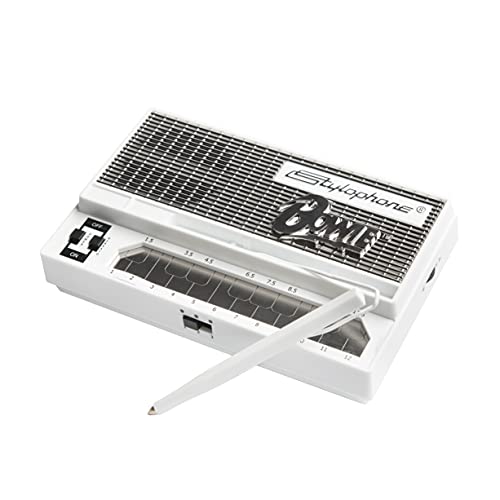
- Compact, battery-powered design
- Three analog synth and bass modes
- Limited-edition white Bowie finish
Best For: Portable sketching and casual practice
Portable Wind Controller
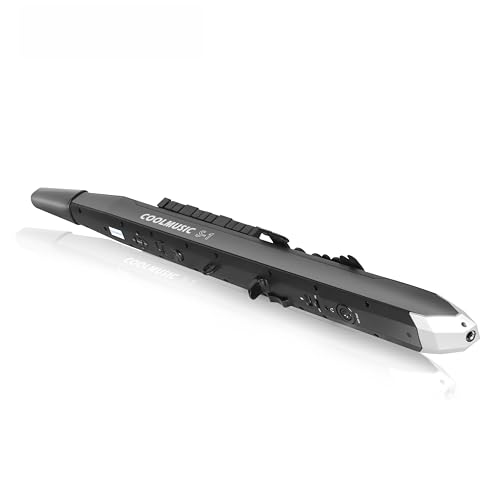
- 72 timbres with multiple fingering options
- 8–12-hour battery life with USB-C charging
- Built-in speakers and headphone monitoring
Best For: Wind players practicing or performing on the go
Theremin-Style Travel Pick
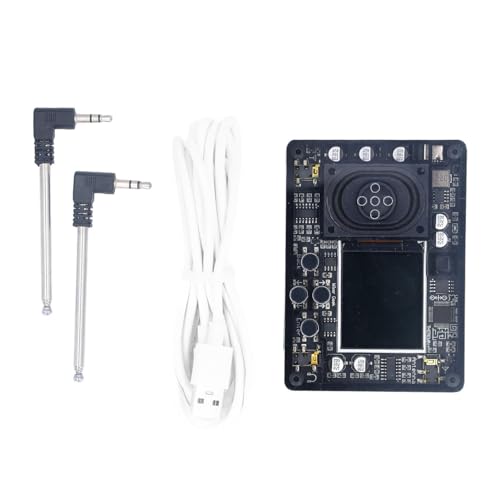
- Weighs only 7.1 ounces
- 70 tones across 20 instrument types
- USB-C charging and real-time screen display
Best For: Gesture-based sound exploration while traveling
Classic Pocket Pick

- Three-octave pocket synth with iconic analog sound
- Built-in speaker, headphone socket, and line connectivity
- Stylus control and battery operation suit travel
Best For: Travelers wanting a tiny, retro-sounding starter synth
Keyboard-Style Traveler

- Cassette-sized synth with touch-keyboard control
- Three octaves plus vibrato and delay effects
- Expansion port encourages experimental sound play
Best For: Travelers wanting effects and a keyboard-style interface
Colorful Retro Choice
Stylophone Pink Special Edition

- Classic three-octave stylus-operated synth
- Tuning knob supports pitch-bend effects
- Built-in speaker, headphone option, and line out
Best For: Travelers wanting classic playability with a standout finish
Portable Performance Pick – Korg microKORG S
For musicians seeking synthesizers for traveling musicians, the Korg microKORG S combines a compact chassis with battery operation, built-in stereo speakers, mini keys, and a versatile analog-modeling engine. It is a practical option when you want substantial sound design features without relying on external speakers.
Best For: Traveling performers and producers who want a compact synth with onboard sound, vocoder features, and battery-powered operation.
Pros:
- Battery-powered operation uses six AA batteries for portable performance.
- Built-in 2.1 stereo speaker system includes a woofer for fuller sound.
- Dual-oscillator analog modeling engine and 8-band vocoder support varied sound creation.
- Velocity-sensitive mini keys and expanded memory add flexibility for performance.
Cons:
- Mini keys may feel less natural than full-size keys for some players.
- At 2.75 kg, it is portable but not the lightest option in this group.
The microKORG S is a strong all-in-one choice for travelers who prioritize expressive synthesis, vocal effects, and the ability to play without an external amplification setup.
Gig-Ready Workstation – Roland JUNO-D6 61-Note Synthesizer
The Roland JUNO-D6 is suited to musicians who need synthesizers for traveling musicians with a broader stage-focused feature set. Its 61-note keyboard, portable design, USB-C mobile battery support, extensive sound library, and built-in sequencer make it a versatile choice for gigs and mobile sessions.
Best For: Gigging keyboardists who need full-size 61-note playability, extensive sounds, and performance-oriented production tools.
Pros:
- 61-note synth-action keyboard offers more playing range than compact mini-key models.
- ZEN-Core engine provides over 3,800 ready-to-play sounds.
- Supports USB-C mobile battery power for flexible use away from a standard outlet.
- Built-in eight-track sequencer, USB-C audio/MIDI, and WAV sample import expand its workflow.
Cons:
- Its 39.57-inch width and 12.8-pound weight require more transport space.
- It does not include built-in speakers, so portable playing may require headphones or external amplification.
The JUNO-D6 is the most performance-oriented option here, trading ultra-compact portability for a larger keyboard, deep sound selection, and useful live-production features.
Value Travel Keyboard – Casio Casiotone CT-S200
The Casio Casiotone CT-S200 is a lightweight, accessible choice among synthesizers for traveling musicians, especially for beginners and casual performers. Its built-in carry handle, battery capability, full-size keys, onboard speakers, and broad selection of tones and rhythms make it easy to take on the road.
Best For: Beginners, learners, and mobile players who want a lightweight keyboard with automatic rhythms, lessons, and USB-MIDI.
Pros:
- Weighs about 7 pounds and includes a built-in carry handle.
- Runs on batteries or the included AC adapter.
- Offers 400 tones, 77 rhythms, 10 reverb types, and Dance Music Mode.
- Includes 61 full-size keys, built-in lessons, stereo speakers, and USB-MIDI connectivity.
Cons:
- Its feature set is geared more toward general keyboard use and learning than advanced synthesis.
- USB-MIDI is listed, but the notes do not indicate a built-in rechargeable battery.
The CT-S200 stands out for convenience and value. It is a sensible travel companion when low weight, simple controls, built-in sounds, and learning features matter more than deep sound programming.
Ultra-Compact Creative Tool – MicroKits Synth-a-Sette
The MicroKits Synth-a-Sette is an especially small option for musicians comparing synthesizers for traveling musicians. Its cassette-sized enclosure, 13-key monophonic touchpad, built-in speaker, batteries, and line out make it easy to carry, while conductive-touch experiments add an unusual creative dimension.
Best For: Sound explorers, students, and established synth users who want a pocket-sized analog instrument or experimental secondary controller.
Pros:
- Measures approximately 4 x 2.6 x 0.5 inches and weighs about 150 grams.
- Includes a touchpad keyboard, octave-up button, vibrato switch, built-in speaker, and batteries.
- Conductive inputs let users create custom controls with objects such as fruit or forks.
- Includes a line out and ten alligator clips for experimentation and external use.
Cons:
- The 13-key monophonic layout is limited for chordal or complex playing.
- Its simplified design is better for experimentation and learning than full-featured live performance.
The Synth-a-Sette is best viewed as a pocket sound-making gadget rather than a conventional stage keyboard. Its tiny footprint and inventive conductive controls make it a distinctive travel companion and educational instrument.
David Bowie Pick – Bowie Stylophone
For traveling musicians seeking synthesizers for traveling musicians, the Bowie Stylophone is an especially compact option. Its battery-powered design, simple stylus interface, and three modes make it suited to quick creative sessions without a bulky setup.
Best For: Portable sketching, casual practice, and Bowie fans who want a distinctive travel-friendly instrument.
Pros:
- Compact 7.09-inch design and battery-powered operation
- Three modes for classic analog synth and bass sounds
- Simple stylus design with a distinctive limited-edition white finish
Cons:
- Sound selection is more limited than on larger synthesizers
- The stylus-based interface may not suit players seeking conventional keys
The Bowie Stylophone prioritizes portability and character over extensive sound shaping. It is a practical choice for musicians who want an easy-to-carry instrument for musical ideas on the move.
Portable Wind Controller – Coolmusic S1 Saxophone Synth
Traveling musicians who want synthesizers for traveling musicians with wind-instrument technique may prefer the Coolmusic S1. It combines a portable electronic saxophone-style format with 72 timbres, built-in speakers, headphone monitoring, and a rechargeable battery.
Best For: Wind players needing varied sounds, self-contained practice, and extended portable performance sessions.
Pros:
- Offers 72 instrument timbres with multiple fingering options
- Built-in speakers and headphone support allow flexible practice
- Built-in battery provides a stated 8–12 hours of use and charges via USB-C
- Supports accompaniment devices and external audio input
Cons:
- At 1.59 kg, it is less lightweight than miniature travel instruments
- Its wind-controller layout may require adjustment for players unfamiliar with electronic saxophones
The S1 is a more capable performance-oriented option than a simple pocket synthesizer. Its sound library, display, speakers, and battery make it well suited to rehearsals and performances away from a full studio.
Theremin-Style Travel Pick – Mini 70-Tone Synthesizer
For musicians looking for synthesizers for traveling musicians that emphasize experimentation, this mini synthesizer offers a lightweight format and hand-responsive interaction. Its 70-tone library, screen display, and USB-C charging suit creative sessions at home or outdoors.
Best For: Experimental melody practice, portable sound exploration, and musicians who enjoy gesture-based control.
Pros:
- Very lightweight at 7.1 ounces
- Includes 70 tones across 20 instrument types
- Screen displays waveform, frequency, time, volume, and piano pitch
- USB-C charging supports portable use
Cons:
- Supplied notes do not specify battery runtime
- Its hand-responsive interface may have a learning curve
This mini synthesizer stands out for its low weight and interactive approach. It makes the most sense for travelers who value quick experimentation and visual feedback rather than a traditional keyboard layout.
Classic Pocket Pick – Original Stylophone
For traveling musicians who want a compact, characterful instrument, the Original Stylophone delivers a distinctive retro synth experience in a pocket-friendly format. Its stylus-controlled metal surface, three-octave range, built-in speaker, headphone socket, and battery operation make it easy to use away from a studio.
Best For: Beginners, experienced musicians, and travelers seeking iconic lo-fi sounds in an exceptionally small synth.
Pros:
- Compact design is less than 12 cm wide and weighs 8.8 ounces.
- Offers three octaves, optional vibrato, and a warm vintage sound profile.
- Includes a built-in speaker, headphone socket, and 3.5mm connectivity.
- Stylus-based controls are simple and approachable for beginners.
Cons:
- Requires three AA batteries.
- The stylus interface may feel less familiar than a conventional keyboard.
The Original Stylophone is a strong travel companion when portability and personality matter more than extensive controls. It is especially appealing for quick ideas, playful performances, and retro-toned recording setups.
Keyboard-Style Traveler – Stylophone Stylosette
The Stylophone Stylosette is a practical choice for traveling musicians who prefer touch-keyboard control in a cassette-sized package. It combines a three-octave range with a built-in speaker, vibrato, delay effects, headphone output, and battery-powered portability.
Best For: Musicians and beginners who want more hands-on effects and keyboard-style play in a pocket synthesizer.
Pros:
- At just over 10 cm wide and 45 g, it is highly portable.
- Provides three octaves with built-in vibrato and delay effects.
- Includes a speaker, headphone jack, batteries, cable, and accessories.
- Expansion port supports conductive-object experiments and connection to another Stylosette.
Cons:
- Uses two AAA batteries, so battery life depends on continued replacements.
- Its lo-fi analog design is focused on compact experimentation rather than broad synthesis control.
Choose the Stylosette if travel convenience and instant sound shaping are priorities. Its extra effects and expansion features give it more playful flexibility than a bare-bones pocket instrument while keeping the setup simple.
Colorful Retro Choice – Stylophone Pink Special Edition
The Stylophone Pink is a special-edition pocket synthesizer for traveling musicians who want the classic stylus-operated format with a distinctive finish. Its three octaves, optional vibrato, tuning control, built-in speaker, headphone option, and 3.5mm line out support portable playing and recording.
Best For: Players who want a compact retro synth with tuning and pitch-bend options in a bright special-edition design.
Pros:
- Recreates the classic Stylophone format with three octaves.
- Tuning knob can support tuning adjustments or pitch-bend effects.
- Includes a built-in speaker, volume control, optional headphone jack, and line out.
- Distinctive pink finish gives it a visually recognizable style.
Cons:
- At 0.29 kg, it is heavier than the listed 45 g Stylosette.
- Its stylus-operated surface may not suit players seeking conventional keys.
The Pink special edition makes sense for musicians who value the original Stylophone workflow but want extra control over tuning and pitch movement. It remains compact enough for travel while offering useful output options for headphones or recording gear.
How We Picked These Synthesizers for Traveling Musicians
We focused on instruments that are practical to transport and useful beyond novelty value. Our selection considers physical size, weight, sound variety, control layout, power options, connectivity, and the kind of musician each instrument serves. Because travel setups differ, the list includes everything from pocket-sized synths for songwriting and experimentation to full-size keyboards designed for rehearsals and live performance.
We also considered portability in context. A compact instrument may be ideal for buses, planes, or hotel rooms, while a 61-key model can be the better choice for a touring player who needs familiar keyboard range and stage-ready sounds.
Quick Comparison
- Best for broad live versatility: Roland JUNO-D6
- Best compact all-in-one option: Korg microKORG S
- Best beginner-friendly keyboard: Casio Casiotone CT-S200
- Best for pocket portability: Stylophone models and the MicroKits Synth-a-Sette
- Best for expressive wind performance: Coolmusic S1
- Best for retro character: Bowie Stylophone
Key Buying Factors for Synthesizers for Traveling Musicians
Size, Weight, and Protection
Measure your actual travel space before buying. Pocket instruments are easiest to carry but usually have smaller touch surfaces and fewer performance controls. Larger keyboards may require a dedicated case, so include the case, stand, and power supply in your transport plan.
Power and Connectivity
Battery operation or USB power is valuable for practice away from outlets. For recording, check for USB-MIDI or other MIDI connections. If you perform, consider audio outputs, headphone support, speakers, and whether the instrument integrates easily with a mixer or amplifier.
Playing Interface and Sound Design
Keyboard players should check key size, action, and range. Touch keyboards and stylus-based interfaces are highly portable but offer a different experience. Vocoders, built-in speakers, rhythm patterns, wind sensors, and onboard effects can add flexibility without requiring extra gear.
Use Case and Durability
Decide whether the instrument is primarily for composing, practice, education, sound design, or live shows. A simple pocket synth can be inspiring, while a performance keyboard needs dependable controls, accessible patches, and a case that protects it during transit.
Who Should Buy Which Synthesizers for Traveling Musicians?
Choose the Roland JUNO-D6 if you need a conventional stage keyboard with broad performance potential. The Korg microKORG S suits players who want compact keys, vocal processing, and a distinctive synth workflow. Beginners and casual players should look at the Casio Casiotone CT-S200 for its approachable layout and wide selection of tones and rhythms.
For maximum portability, the Stylophone variants and MicroKits Synth-a-Sette are better suited to sketches, travel practice, and experimental sounds than full-band keyboard duties. The Coolmusic S1 is the more natural fit for saxophone-style players seeking a portable electronic wind instrument. The smaller mini synthesizer is appropriate when low cost, basic sounds, and minimal luggage space matter most.