The right desktop computer for podcasting can make recording, editing, mixing, and publishing far more efficient. A capable system should handle your digital audio workstation, plug-ins, multiple tracks, and connected accessories without frustrating slowdowns.
These 10 selections range from compact office PCs to powerful towers, giving beginners, home studios, and demanding creators several practical ways to match performance, storage, and budget.
Best 10 Desktop Computer for Podcasting Picks for 2026
Best Performance Pick
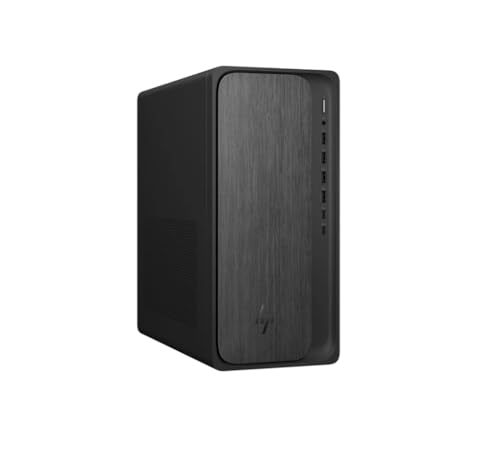
- Ryzen 7 8700G and 32GB DDR5
- 1TB Gen4 NVMe SSD
- Wi-Fi 6, Bluetooth 5.4, keyboard and mouse included
Best For: Growing podcast studios and demanding multitaskers
Best Complete Bundle
Renewed Dell OptiPlex with Monitor

- 24-inch Full HD monitor included
- 32GB RAM and 512GB NVMe SSD
- Wi-Fi 6, Windows 11 Pro, keyboard and mouse
Best For: First-time podcasters wanting a ready-to-use workstation
Best Everyday Studio Value
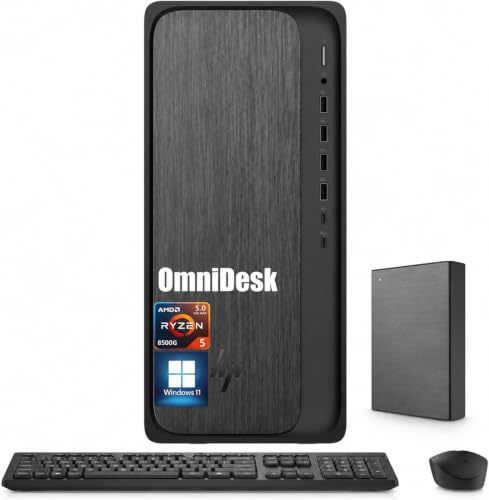
- Ryzen 5 8500G with 16GB DDR5
- 512GB SSD plus 512GB external storage
- Four-display support and modern wireless connectivity
Best For: Home studios and everyday podcast production
Best Compact Workstation

- 12-core Core i7-12700T processor
- 32GB RAM and 1TB NVMe SSD
- Three 4K-display support in a compact design
Best For: Small podcast desks and multi-monitor workflows
Compact Starter

- Compact chassis for space-conscious desks
- SSD storage and Windows 11 Pro included
- Supports dual 4K displays and common peripherals
Best For: Entry-level podcasting and home-office recording
Power Producer

- 20-core processor for heavy multitasking
- 32GB DDR5 RAM and 1TB NVMe SSD
- Extensive USB, audio, and display connectivity
Best For: Serious podcast production and multi-app workflows
Renewed Workhorse

- 8-core Core i7 processor for dependable multitasking
- 32GB RAM and 1TB NVMe SSD included
- Wi-Fi 6E, dual displays, and wireless accessories
Best For: Budget-conscious podcasting and dedicated audio workstations
Best with Extra Features
Dell Core Ultra 7 Podcasting Desktop

- 20-core Intel Core Ultra 7 processor
- 32GB DDR5 RAM and 1TB PCIe SSD
- Supports two 4K displays
Best For: Power users and multitasking podcast creators
Space-Saving Pick
HP ProDesk SFF Podcasting Desktop
- Compact Small Form Factor chassis
- 32GB RAM and 1TB SSD
- Dual 4K display support
Best For: Basic podcasting and compact home-office setups
Balanced Creator Pick
Dell Core i7 Podcasting Desktop

- 12-core, 20-thread Core i7 processor
- 32GB DDR5 RAM and 1TB PCIe SSD
- Windows 11 Pro with dual 4K support
Best For: Podcasting, content creation, and business multitasking
Best Performance Pick – HP OmniDesk Ryzen 7 Desktop
For creators seeking a capable desktop computer for podcasting, the HP OmniDesk combines an 8-core Ryzen 7 8700G processor with 32GB of DDR5 memory and a fast 1TB PCIe Gen4 NVMe SSD. That combination is well suited to recording software, audio editing, file storage, and multitasking.
Best For: Podcasters who want strong processing headroom, generous memory, and substantial built-in storage for a desktop studio.
Pros:
- Ryzen 7 8700G processor with 8 cores and up to 4.2GHz listed speed
- 32GB DDR5-5200 memory supports demanding multitasking
- 1TB PCIe Gen4 NVMe SSD provides fast storage for projects
- Includes a wireless keyboard and mouse, plus Wi-Fi 6 and Bluetooth 5.4
Cons:
- Integrated Radeon 780M graphics may not suit users seeking a dedicated graphics card
- Monitor is not included
This is the strongest all-around option in the group for a growing podcast setup, especially if you edit audio while running several other applications. Its tower format also offers multiple USB ports and expansion slots for peripherals and external storage.
Best Complete Bundle – Renewed Dell OptiPlex with Monitor
This renewed Dell OptiPlex bundle is a practical desktop computer for podcasting when you need a monitor included. Its 32GB of RAM, 512GB M.2 NVMe SSD, and Intel Core i7 processor provide a ready-to-use foundation for recording, editing, and everyday office tasks.
Best For: New podcasters who need a complete workstation with a 24-inch Full HD monitor and Windows 11 Pro.
Pros:
- Includes a new 24-inch 1920×1080 monitor for a ready-made workspace
- 32GB DDR4 memory is ample for audio software and multitasking
- 512GB M.2 NVMe SSD supports quick boot and application loading
- Built-in Wi-Fi 6, Bluetooth 5.2, HDMI, DisplayPort, and multiple USB ports
Cons:
- Older i7-6700 platform dates to an earlier generation
- Renewed product has a listed 90-day warranty
- Integrated Intel HD Graphics 530 is not designed for graphics-heavy work
The included monitor makes this one of the easiest options to put into service without buying additional display hardware. It is a sensible value choice for straightforward podcast recording and editing, provided you are comfortable with its older renewed platform.
Best Everyday Studio Value – HP OmniDesk Ryzen 5 Tower
The HP OmniDesk Ryzen 5 is a balanced desktop computer for podcasting and general home or office work. Its 6-core Ryzen 5 8500G, 16GB of DDR5 memory, and 512GB SSD provide a solid starting point for recording sessions, editing, browser research, and everyday productivity.
Best For: Home podcasters and students who want modern connectivity, a compact-looking tower, and enough power for routine audio workflows.
Pros:
- 6-core Ryzen 5 8500G processor reaches up to 5GHz listed maximum speed
- DDR5-5200 memory and SSD storage support responsive daily use
- Supports up to four displays and includes HDMI, DisplayPort, USB, and Ethernet
- Wi-Fi 6, Bluetooth 5.4, wireless keyboard and mouse included
Cons:
- 16GB RAM and 512GB SSD offer less headroom than higher-capacity alternatives
- Radeon 740M graphics are integrated and use shared memory
- The supplied storage is listed as 512GB SSD plus a 512GB external drive
For a typical solo podcast workflow, this HP offers a useful balance of current-generation components and connectivity. Consider adding external storage as your episode library and raw recordings grow.
Best Compact Workstation – HP Mini Intel Core i7 PC
If desk space is limited, this HP Mini provides a compact desktop computer for podcasting without giving up substantial processing capacity. The 12th-generation Intel Core i7-12700T, 32GB of DDR4 memory, and 1TB NVMe SSD are specified for heavy multitasking, editing, and productivity work.
Best For: Podcasters with small workspaces who want a quiet mini PC, high memory capacity, and a multi-monitor setup.
Pros:
- 12-core Intel Core i7-12700T reaches up to 4.7GHz listed speed
- 32GB RAM and 1TB NVMe SSD support demanding multitasking and project storage
- Supports three 4K monitors at 60Hz through dual DisplayPort 1.4 and HDMI 2.1
- Includes Windows 11 Pro, wired keyboard, wired mouse, stand, and 90W adapter
Cons:
- Uses Wi-Fi 5 rather than the newer Wi-Fi 6 standard
- Compact design may provide less expansion flexibility than a full tower
- Wired keyboard and mouse may be less convenient for some desk layouts
This is an appealing choice for a streamlined recording desk, particularly if you use multiple screens for notes, production controls, and video calls. Its strong processor and 32GB memory make it suitable for more than basic recording while keeping the footprint small.
Compact Starter – HP ProDesk SFF Desktop
If you need a desktop computer for podcasting on a budget, the HP ProDesk SFF is a practical starting point for recording, editing, and everyday production tasks. Its compact chassis saves desk space, while the SSD, Windows 11 Pro, and multiple audio and display connections support a straightforward workstation setup.
Best For: Entry-level podcasters, home offices, and simple recording setups with modest multitasking needs.
Pros:
- Compact Small Form Factor design fits neatly into podcasting workspaces.
- 512GB SSD configuration provides quick boot times and responsive file access.
- USB, HDMI, DisplayPort, Ethernet, Bluetooth, and audio connections support common peripherals.
- Dual-display support can help with recording controls, notes, and editing software.
Cons:
- The Intel Celeron G5905 and 8GB RAM are better suited to basic production than demanding audio workloads.
- Integrated graphics are intended for basic visuals rather than intensive creative work.
The HP ProDesk makes the most sense for a simple podcasting desk where space, connectivity, and low-cost everyday performance matter more than advanced editing power. If you plan to run many tracks or applications at once, consider using one of the listed higher-memory configurations.
Power Producer – HP OmniDesk M03 Desktop
The HP OmniDesk M03 is a powerful desktop computer for podcasting when you need substantial multitasking headroom. Its 20-core Intel Core Ultra 7 processor, 32GB of DDR5 memory, and 1TB NVMe SSD are well suited to managing recording software, browsers, production tools, and large project files together.
Best For: Serious podcasters, multi-application workflows, and users who want strong performance for recording and editing.
Pros:
- 20-core Intel Core Ultra 7 265 processor reaches up to 5.3GHz for demanding multitasking.
- 32GB DDR5 RAM helps keep recording, editing, and reference applications responsive.
- 1TB PCIe NVMe SSD offers fast startup and ample local project storage.
- Numerous USB ports, audio connections, Wi-Fi 6, HDMI, and DisplayPort simplify studio connectivity.
Cons:
- The listed configuration uses integrated Intel graphics, so it is not primarily aimed at graphics-intensive production.
- The original seal was opened for upgrades, so coverage is split between manufacturer and PCOnline US warranties.
For podcasters who regularly juggle multiple applications or edit larger projects, the OmniDesk M03 offers the strongest performance margin in this group. Its generous memory, fast storage, and extensive connectivity make it a flexible centerpiece for a more advanced desktop studio.
Renewed Workhorse – Dell OptiPlex 7070 SFF
The renewed Dell OptiPlex 7070 is a capable desktop computer for podcasting if you want strong everyday processing and generous storage without moving to a newer premium system. Its 8-core Core i7 processor, 32GB RAM, 1TB NVMe SSD, and included wireless keyboard and mouse create a ready-to-use foundation for recording and editing.
Best For: Budget-conscious podcasters who want substantial memory, fast storage, and a refurbished business desktop.
Pros:
- 8-core Intel Core i7-9700 processor reaches up to 4.7GHz for smooth multitasking.
- 32GB DDR4 RAM supports recording software, editing tools, and browser-based research.
- New 1TB NVMe SSD provides fast booting and storage for audio projects.
- Wi-Fi 6E, multiple USB ports, dual DisplayPort outputs, and included wireless input devices add convenience.
Cons:
- As a renewed 2018-era system, it has a shorter 90-day warranty than the new HP options.
- Integrated Intel UHD Graphics 630 are intended for standard display use, not demanding visual production.
The OptiPlex 7070 offers a sensible balance of processing power, RAM, storage, and connectivity for podcasting on a controlled budget. Its renewed status and shorter warranty are the main tradeoffs, but the included accessories make it easy to deploy as a dedicated workstation.
Best with Extra Features – Dell Core Ultra 7 Podcasting Desktop
For creators who want a powerful desktop computer for podcasting, this Dell tower combines a 20-core Intel Core Ultra 7 265 processor with 32GB of DDR5 RAM and a 1TB PCIe SSD. Its substantial multitasking capability suits podcast recording, editing, file management, and running several applications together.
Best For: Podcasters who need strong multitasking performance, fast storage, and a flexible dual-monitor workstation.
Pros:
- 20-core processor with speeds up to 5.3GHz for demanding multitasking.
- 32GB DDR5 RAM and a 1TB PCIe SSD support responsive editing and file handling.
- HDMI and DisplayPort support up to two 4K displays.
- Includes USB-C, SD reader, Wi-Fi, Bluetooth, keyboard, and mouse.
Cons:
- Uses integrated graphics rather than a dedicated graphics card.
- The listed configuration has a 32GB RAM maximum despite promotional upgrade language.
This is the strongest performance-oriented option in the group for a podcasting setup, particularly if you edit video, manage large media files, or work across multiple screens. Windows 11 Home is included, along with a one-year seller warranty.
Space-Saving Pick – HP ProDesk SFF Podcasting Desktop
This compact HP ProDesk is a practical desktop computer for podcasting when desk space and everyday reliability matter more than high-end processing power. It pairs 32GB of RAM and a 1TB SSD with a small-form-factor chassis suitable for home offices, classrooms, and business workstations.
Best For: Beginners and home-office podcasters handling recording, basic editing, browsing, and office tasks.
Pros:
- Small Form Factor design helps conserve valuable desk space.
- 32GB RAM and a 1TB SSD provide useful everyday responsiveness.
- HDMI and DisplayPort support dual 4K displays.
- Includes Wi-Fi, Bluetooth, Windows 11 Pro, keyboard, and mouse.
Cons:
- Intel Celeron G5905 is less capable for demanding multitrack or video workloads.
- Integrated Intel UHD Graphics 610 is intended for basic visuals rather than graphics-intensive work.
The HP makes sense for straightforward podcast production and general productivity, especially where a compact tower is important. Its upgrade options are listed as up to 64GB RAM and 2TB PCIe NVMe storage, though the supplied configuration includes 32GB and 1TB.
Balanced Creator Pick – Dell Core i7 Podcasting Desktop
This Dell tower is a balanced desktop computer for podcasting, offering an Intel Core i7-12700K with 12 cores and 20 threads, 32GB of DDR5 RAM, and a 1TB PCIe SSD. It is well suited to recording and editing workflows that also involve business applications, content creation, and extensive multitasking.
Best For: Podcasters seeking strong all-around performance, dual-monitor support, and Windows 11 Pro features.
Pros:
- 12-core, 20-thread processor reaches speeds up to 5.0GHz.
- 32GB DDR5 RAM and 1TB PCIe SSD support demanding workflows.
- HDMI and DisplayPort enable up to two 4K displays.
- Includes USB-C, Wi-Fi, Bluetooth, keyboard, and mouse.
Cons:
- Integrated Intel UHD Graphics 770 may be limiting for graphics-heavy production.
- The listed system has 32GB RAM, despite notes mentioning configurations up to 64GB.
This model sits between the compact HP and the newer Core Ultra 7 Dell, giving creators a capable workstation with Windows 11 Pro and useful security features such as a hardware TPM chip. It is a strong choice for podcast production plus general content-creation work.
How We Picked the Best Desktop Computer for Podcasting
We focused on the hardware that matters most in a podcast workflow: processor performance, memory, fast solid-state storage, display support, connectivity, and upgrade potential. The selected computers include modern AMD and Intel systems as well as refurbished or previous-generation business desktops that may offer strong value.
Podcasting rarely requires a dedicated gaming graphics card, so we prioritized balanced configurations rather than paying for unnecessary GPU power. We also considered whether each system could support common tasks such as multitrack recording, editing video clips, running a browser during production, and managing large audio libraries.
Quick Comparison
| What to Compare | Recommended Starting Point | Best For |
|---|---|---|
| Processor | Modern Core 5/7 or Ryzen 5/7 | Recording, editing, and plug-ins |
| Memory | 16GB minimum; 32GB preferred | Multitasking and larger projects |
| Storage | 512GB minimum; 1TB preferred | Projects, applications, and media |
| Graphics | Integrated graphics is usually sufficient | Audio-first workflows |
| Expansion | Upgradeable RAM and additional storage | Long-term studio growth |
Key Buying Factors for a Desktop Computer for Podcasting
Processor and Real-Time Performance
Choose a current-generation Ryzen 5, Ryzen 7, Core 5, Core 7, or comparable processor for reliable real-time monitoring and effects processing. More cores help when exporting episodes, rendering video, or running several demanding applications simultaneously.
RAM and Storage
Eight gigabytes can work for basic editing, but 16GB is a better floor for a new purchase and 32GB offers more comfortable multitasking. An NVMe SSD improves boot times, application loading, and project access. A 1TB drive is preferable if you keep raw recordings, sound libraries, and video files locally.
Ports, Displays, and Connectivity
Check for enough USB ports for an audio interface, microphone accessories, external drives, and control surfaces. Wi-Fi 6 or newer and Bluetooth are convenient, but wired Ethernet can provide a steadier connection for uploads and remote sessions. Dual- or multi-monitor support is useful for keeping the timeline, mixer, notes, and browser visible at once.
Size, Noise, and Upgrades
Mini and small-form-factor PCs save desk space, while tower systems generally provide easier access, better cooling, and more room for future upgrades. For recording, place the computer far enough from the microphone to limit fan noise, and verify the system’s upgrade options before buying.
Who Should Buy Which Desktop Computer for Podcasting?
Choose a compact mini PC if your workspace is tight and your production is mainly audio editing, remote interviews, and publishing. A business-class small-form-factor desktop is a sensible value choice for straightforward podcasting, especially when you already own a monitor and peripherals.
For frequent multitrack production, video podcasts, extensive plug-in use, or long-term flexibility, a 32GB tower with a modern Ryzen 7 or Intel Core 7-class processor is the stronger investment. Buyers seeking the best balance should prioritize 32GB RAM, a 1TB NVMe SSD, multiple display outputs, and accessible upgrade paths over high-end graphics hardware.